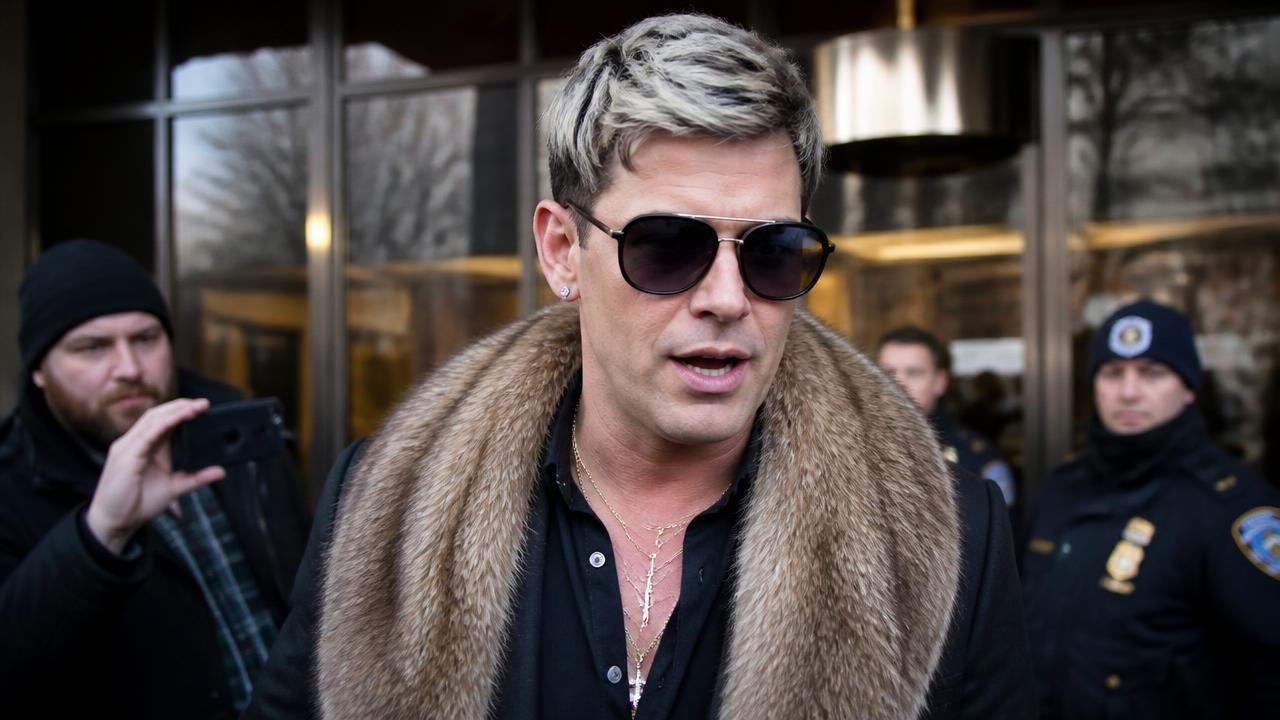
The far-right provocateur Milo Yiannopoulos has been deported from the United States, marking a definitive end to his turbulent American exile. Immigrations and Customs Enforcement (ICE) confirmed to Reuters and the Washington Post on Thursday that Yiannopoulos, a British national, was removed to the United Kingdom after being arrested earlier this week. The Department of Homeland Security stated that he had overstayed his visa, failed to appear for an immigration hearing, and was subject to a final removal order issued on July 22.
Yiannopoulos, who became a notorious figure in the alt-right ecosystem as an editor at Breitbart News, had been living in the US since 2019. His deportation follows years of controversy, professional collapse, and public vilification. While some celebrate his removal as overdue justice, others view it as a coda to a strange and troubling chapter in American political culture.
A Provocateur’s Rise
Yiannopoulos first gained prominence as a loud, often deliberately offensive commentator who relished his role as the "most banned man on the internet." He was an early and vocal supporter of Donald Trump, and reportedly helped arrange the infamous 2016 Trump Tower meeting with Kanye West. As an editor at Breitbart, the far-right outlet then led by Steve Bannon, he became a key figure in mainstreaming ideas once confined to the fringes of white nationalism.
BuzzFeed News’ investigative reporting in 2019 revealed how Yiannopoulos and Breitbart deliberately crafted and disseminated white nationalist tropes under the guise of irony and entertainment. The outlet quoted internal emails showing Yiannopoulos and colleagues discussing how to "smuggle" extremist ideas into the mainstream. This exposé, along with other reporting, painted a picture of a man willing to trade in hate for clicks and influence.
The Guardian’s subsequent analysis described Yiannopoulos as "a shallow actor" who played the bad guy for money, citing his own admissions that much of his persona was performance. "He was never a true believer," the article argued, "but a mercenary opportunist who recognized a market for outrage."
The Fall
Yiannopoulos’s American arc reached its zenith and nadir in 2017. His scheduled speaking engagement at the University of California, Berkeley was dramatically canceled after thousands of protesters clashed with police, prompting the university to shut down the event. The Guardian covered the scene extensively, noting that the cancellation was a victory for anti-fascist activists but a propaganda win for Yiannopoulos, who used it to extend his narrative of persecution.
Mashable later dug into a trove of offensive emails that Yiannopoulos allegedly leaked or had exposed, highlighting how he publicly targeted and harassed private individuals. These revelations further eroded whatever support he still had from mainstream conservatives.
The final break came when a video surfaced of Yiannopoulos appearing to condone pedophilia. Though he claimed his comments were taken out of context, the controversy led to his resignation from Breitbart, cancellation of his book deal, and a swift fall from public favor. Vox’s explainer on his decline noted that his "edgelord" tactics ultimately proved too toxic even for the outlets that had amplified him.
Most recently, the Forward reported that Yiannopoulos used the Western Wall in Jerusalem as a prop for an anti-immigration stunt, further cementing his reputation as a cynical provocateur willing to exploit any symbol for attention.
Deportation and Reactions
Yiannopoulos’s deportation has been met with a mix of glee and grim satisfaction among his many critics. The New Republic headline bluntly called him the "far-right’s cancelled poster boy," while The Verge noted the bureaucratic mechanics of his removal: he entered legally in 2019, but his visa expired, and his failure to attend a court hearing triggered a final order of removal.
Immigration attorneys point out that Yiannopoulos was afforded due process, and his case proceeded through the normal immigration court system. However, his high-profile status underscores the broader debates over immigration enforcement, free speech, and the boundaries of acceptable political discourse.
In a statement, a DHS spokesperson said, "Mr. Yiannopoulos was removed in accordance with the laws of the United States. All individuals who are subject to a final order of removal are required to depart the country."
His supporters, now few and scattered, frame the deportation as an act of political persecution. But for the many who saw him as a harmful figure—one who amplified racism, harassed women, and made common cause with neo-Nazis—it is simply the consequence of a visa overstay, stripped of any heroic gloss.
Legacy and Implications
Yiannopoulos’s deportation closes a chapter in the story of the far right’s internet heyday, but its lessons remain. The BuzzFeed investigation showed how easily extremist ideas can seep into mainstream media when wrapped in irony and meme culture. The Guardian’s analysis reminds us that beneath the theatrics lies a hollow opportunism. And the fact that his downfall began with a campus protest at Berkeley—a place he once mocked as the epicenter of "snowflake" culture—is a poetic twist.
As Yiannopoulos lands in the UK, where he faces a different political climate and potential legal scrutiny, one thing is clear: his American journey is over, but the questions he raised about free expression, immigration, and the ethics of provocation remain unresolved.