From the Himalayan foothills to the Texas Hill Country, from Pakistan's monsoon-soaked plains to Germany's river valleys, an extraordinary series of flash floods has unleashed devastation across four continents in recent weeks. At least 814 people have died in Nepal, Pakistan, Texas, and Western Europe, while hundreds more remain missing. The simultaneous disasters have stretched emergency services, exposed infrastructure vulnerabilities, and reignited global debates about climate preparedness.
Nepal: A Wall of Water Sweeps the Himalayas
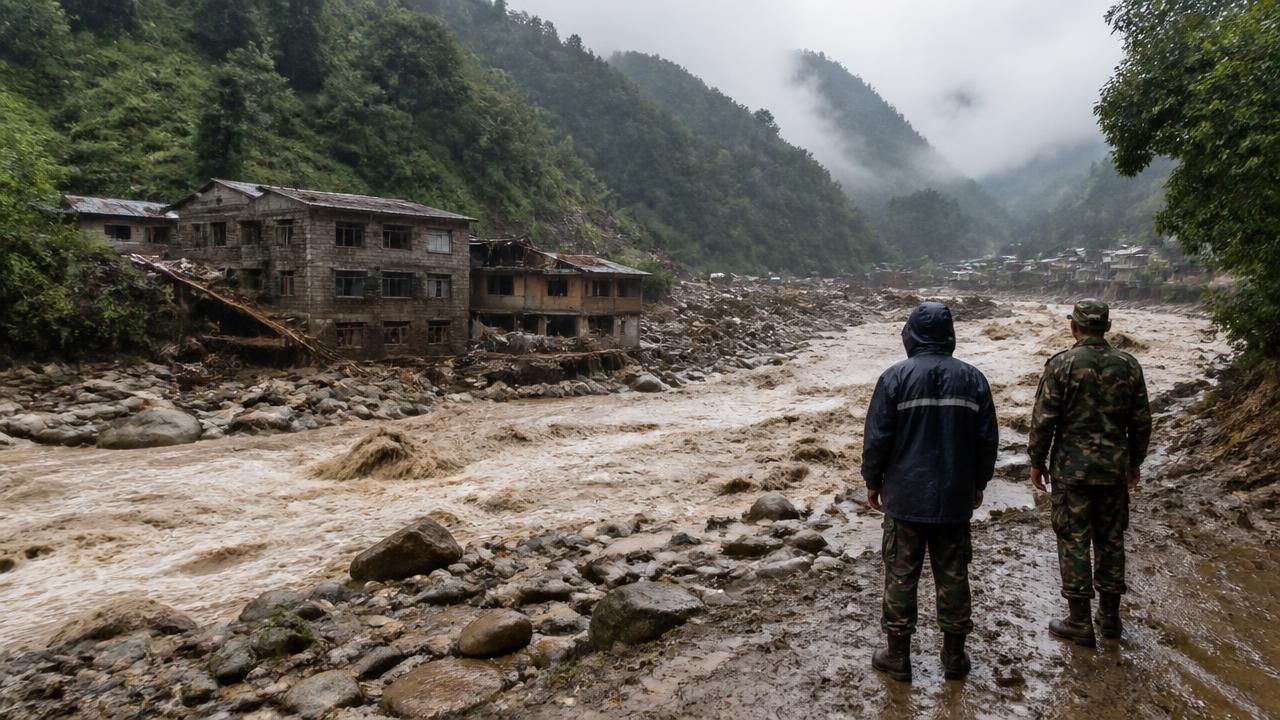
In Nepal, a torrent of water crashed through a Himalayan river valley along the border with China's Tibet region, killing at least 160 people and leaving hundreds unaccounted for, according to The New York Times and Reuters. The missing include border officials, port workers, and foreign tourists, as entire villages were washed away in what local officials described as a sudden, catastrophic surge.
“The water came without warning,” a Nepali army officer told reporters on condition of anonymity. “It was a wall of water.”
The flash flood struck the remote Karnali River basin, an area known for its dramatic gorges and trekking routes. Helicopters have been deployed for rescue operations, but bad weather and damaged roads are hampering efforts. The BBC reported that hundreds of tourists were among those missing, raising fears that the death toll could climb significantly.
Texas: A Slow-Motion Disaster
On the other side of the globe, Texas continues to grapple with the aftermath of catastrophic flooding that has claimed at least 120 lives. More than 160 people remain missing, according to Governor Greg Abbott, who faced pointed questions about whether state and local officials did enough to warn residents.
USA Today chronicled how the floods unfolded, including the perilous location of Camp Mystic, a popular summer camp where dozens were caught off guard. Search teams have been scouring riverbanks and debris fields for survivors, but officials concede the toll could rise.
“Don’t know how many were lost,” one rescue coordinator told USA Today, reflecting the grim uncertainty.
The Federal Emergency Management Agency (FEMA) has opened outreach centers, but two have already closed, and Kerr County commissioners have scheduled a town hall for October 8 to address community concerns.
Pakistan: Monsoon Fury
In Pakistan, monsoon rains have triggered some of the deadliest flooding in the country’s recent history. France 24 reported at least 344 deaths, with scores still missing. The southern provinces of Sindh and Balochistan have been hit hardest, as rivers burst their banks and inundated farmland, destroying crops and displacing hundreds of thousands of people.
Europe: ‘Terrifying’ Devastation
Meanwhile, Western Europe reeled from historic rainfall that turned streams into raging torrents. The death toll in Germany, Belgium, and the Netherlands reached at least 190, with hundreds unaccounted for in the immediate aftermath. German Chancellor Angela Merkel visited the hardest-hit areas, describing the destruction as “terrifying.”
“The German language hardly has words for the devastation that has been wrought,” Merkel said during a visit to the Ahr Valley.
A Global Climate Signal
While each disaster has local triggers, meteorologists point to a common thread: a warming atmosphere that holds more moisture, leading to more intense and sudden rainfall. The monsoon season in South Asia has been especially fierce this year, while stationary weather patterns in Europe and Texas have parked storm systems over vulnerable terrain.
Experts argue that these events are not anomalies but a preview of a climate-changed future.
- Rapid urbanization in floodplains has increased exposure.
- Infrastructure gaps have slowed evacuations and rescue efforts.
- Early warning systems remain inadequate in many regions.
The concurrent disasters have strained global disaster relief resources and highlighted the need for cross-border cooperation. As recovery efforts continue, the world watches a sobering reality: extreme weather is no longer a regional story, but a global one.
Reporting contributed by The New York Times, BBC, Reuters, USA Today, France 24, and other news organizations.