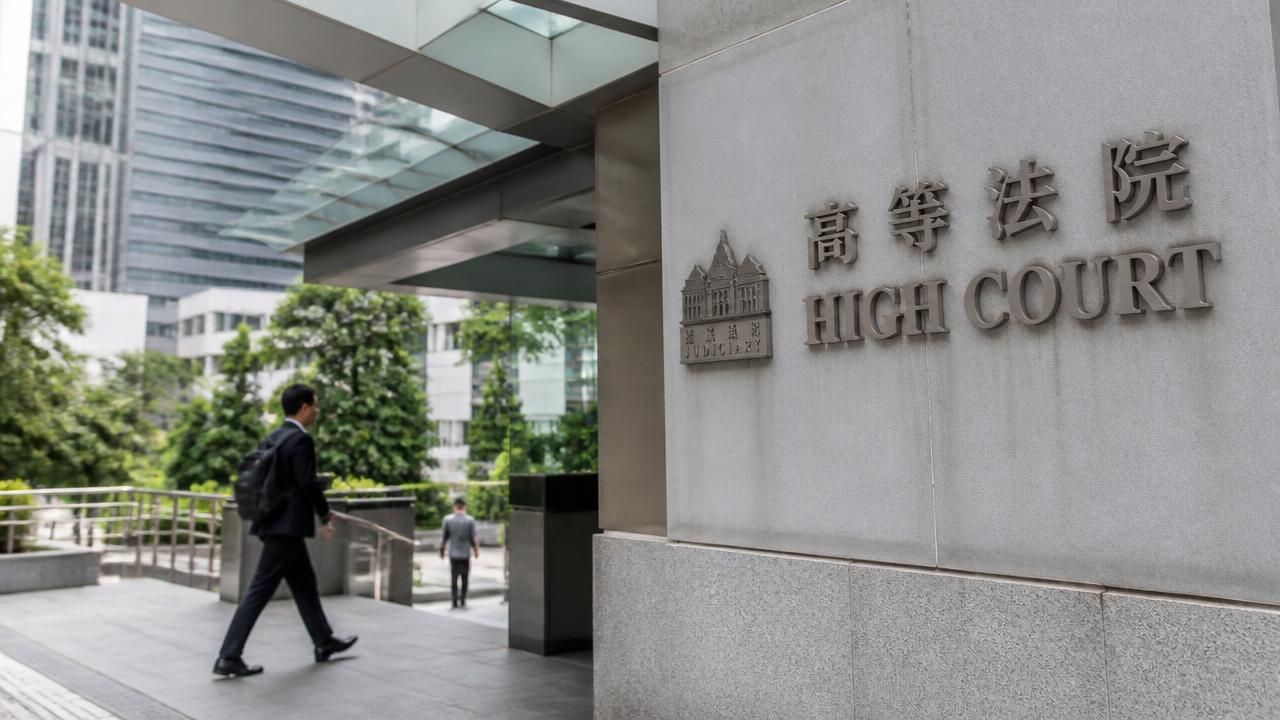
A Hong Kong court has ruled that PricewaterhouseCoopers International Ltd. cannot escape a multibillion-dollar lawsuit brought by the liquidators of China Evergrande, the embattled property developer whose collapse sent shockwaves through global financial markets. The decision, handed down in the High Court, allows liquidators to pursue claims against PwC International and its Hong Kong and mainland Chinese affiliates over the firm's audit work for Evergrande.
Court Rejects PwC International's Bid for Removal
The court declined to remove PwC International from the case, denying the firm's attempt to distance itself from the actions of its local member firm. Bloomberg Markets reported that the ruling keeps PwC International in the lawsuit filed by Evergrande's joint provisional liquidators, who are seeking damages of $8.4 billion.
A Hong Kong court declined to remove PricewaterhouseCoopers International Ltd. from a multibillion-dollar lawsuit brought by China Evergrande liquidators against the firm and its Hong Kong and mainland Chinese affiliates.
The decision is a significant setback for PwC International, which had argued that it should not be held liable for the work of its independent member firms. The FT noted that the ruling means liquidators can pursue the firm globally, reflecting the extraterritorial reach of the litigation.
The $8.4 Billion Damages Claim
The liquidators are demanding $8.4 billion in damages, alleging that PwC's audits of Evergrande failed to flag severe financial irregularities before the developer's $300 billion debt default, one of the largest in corporate history. According to Law.com, the claim centers on audit work conducted between 2015 and 2020, when Evergrande's balance sheet was deteriorating rapidly.
The lawsuit names PwC's Hong Kong and mainland China entities, as well as PwC International, as defendants. The appointment of Davis Polk & Wardwell and Karas So as counsel for the liquidators underscores the scale and complexity of the case, as noted by Law.com.
Settlement Under Scrutiny
In a related development, the liquidators are seeking to review a $166 million settlement that PwC's Hong Kong arm reached with the Accounting and Financial Reporting Council (AFRC), Hong Kong's audit regulator. The settlement, which also included a ban on PwC Hong Kong taking on listed company audits for a period, was meant to resolve an investigation into PwC's Evergrande audits.
However, liquidators argue that the settlement shortchanges creditors. Bloomberg News reported that the liquidators have filed an application to quash or review the deal, with some outlets citing the settlement figure as $128 million. The discrepancy highlights the opacity of the proceedings.
What's at Stake?
The review application could unravel the carefully negotiated settlement. If the court finds that the AFRC's deal with PwC was inadequate, it could impose tougher penalties or reopen the investigation. This would add further uncertainty to PwC's operations in China, where it already faces reputational damage from its involvement in Evergrande's collapse.
PwC Partners Consider Asset Protection
As the legal fallout widens, Insurance Journal reported that some PwC partners are weighing whether to shield their personal assets. The possibility of multi-billion-dollar judgments has prompted partners to consult lawyers about asset protection strategies, including moving wealth into trusts or other jurisdictions.
This behavior is not uncommon in high-stakes litigation, but it underscores the seriousness of the threat to PwC's partners. In a worst-case scenario, they could face personal liability if the firm's insurance is insufficient to cover the claim.
Broader Fallout: Evergrande's Collapse Reshapes Property Sector
The legal battle is just one facet of Evergrande's ongoing liquidation. The company was officially delisted from the Hong Kong Stock Exchange earlier this year, marking an ignominious end for a developer that once symbolized China's property boom. The delisting, described by the FT as "an end of era for China's property sector," has left millions of homebuyers and bondholders in limbo.
In a separate ruling, a UK court allowed Jones Lang LaSalle (JLL) to continue managing a block of London flats linked to Evergrande. The property, located in the upmarket Nine Elms district, is one of several overseas assets held by the developer. The ruling ensures that the building's residents and creditors can maintain some stability while the liquidation process plays out.
Evergrande's collapse has been a cautionary tale for investors and regulators alike. The company's failure exposed weaknesses in China's corporate governance and audit oversight, prompting calls for reform. The case against PwC is being watched closely by the accounting industry, as it could set a precedent for holding global audit networks accountable for the misdeeds of local affiliates.
Implications for the Accounting Profession
Legal experts say the Hong Kong court's decision could have far-reaching implications. If the liquidators succeed in holding PwC International liable, it may open the door to similar claims against other global audit networks. The "network" structure, which separates international entities from local partnerships, has long been a shield against liability. This case threatens to pierce that shield.
Moreover, the scrutiny of the $166 million settlement reflects a growing trend of creditors and regulators challenging seemingly lenient penalties. The outcome of the review could influence how audit regulators negotiate settlements in the future, ensuring that they are not seen as going easy on firms involved in corporate failures.
For now, PwC International remains firmly in the crosshairs. The Hong Kong court's refusal to let it exit the case means the firm must now prepare for a long and costly legal battle. As the liquidators press their $8.4 billion claim, the accounting world watches with bated breath.