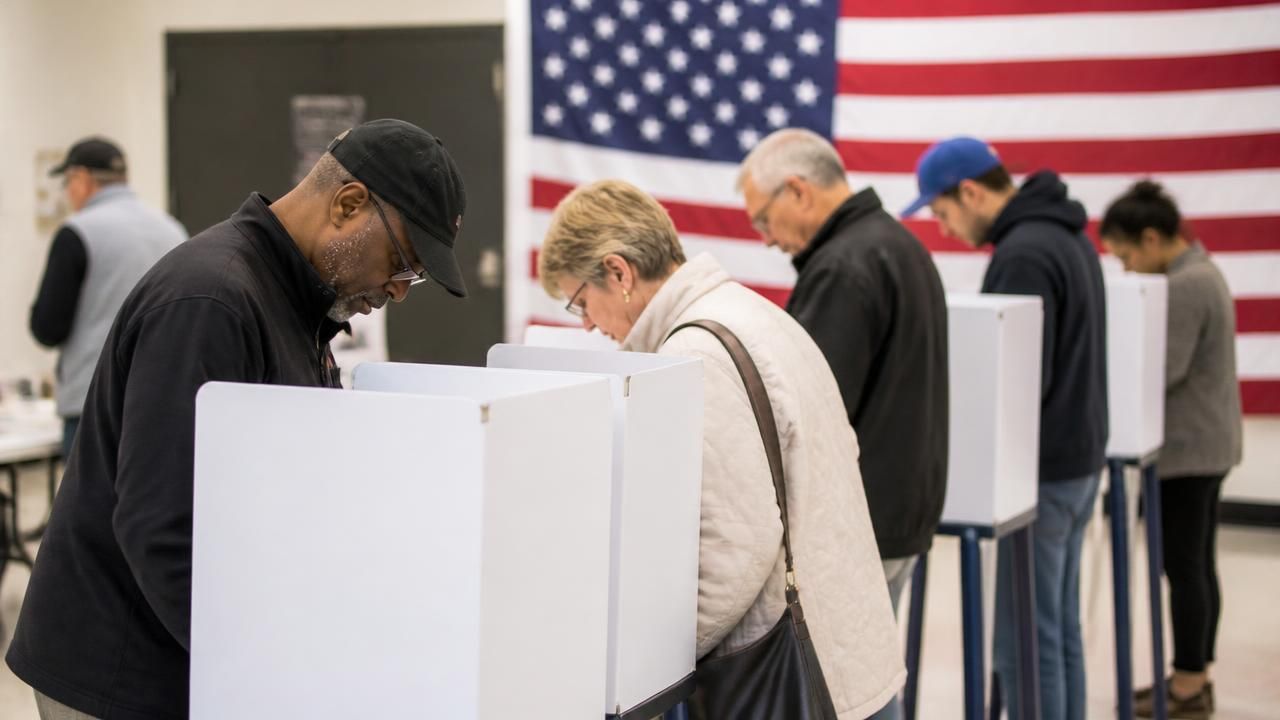
This November, voters across the United States will not only choose candidates but also decide on a sweeping array of ballot measures that could fundamentally alter how elections are conducted. The most prominent among them: voter ID requirements. In at least six states—including three key swing states—voters will weigh in on measures that would create or tighten voter ID laws, marking the largest number of such measures in a single election year, according to NPR Politics.
The wave of proposals reflects a deeply polarized political climate, with Republicans pushing for stricter election integrity measures and Democrats warning of voter suppression. The Daily Signal reports that voter ID and citizenship verification measures are heading to ballots across America, while the Center for Public Integrity notes that this year's ballot measures will change how many Americans vote. From California to Ohio to Arizona, the battles over ballot language and implementation are already reshaping the electoral landscape.
The Voter ID Wave
At least six states are set to vote on voter ID measures, a record for a single cycle. NPR Politics highlights that the tally includes three prominent swing states, though the article doesn't name them. Sources point to Ohio, Arizona, and possibly Nevada or others. Ohio's Issue 3 would amend the state constitution to require photo identification for in-person voting, while Arizona has multiple proposal backed by GOP lawmakers. Additionally, Maine and Texas will decide on related election administration measures, according to Ballotpedia.
The push for voter ID laws has intensified since the 2020 election, driven by unsubstantiated claims of widespread fraud. Proponents argue that ID requirements prevent impersonation and ensure election integrity. Critics counter that such laws disproportionately affect minority, low-income, and elderly voters who may lack acceptable identification. The Daily Signal, a conservative outlet, frames the measures as a necessary step to combat fraud, while liberal sources like the Arizona Mirror emphasize the GOP-backed nature of the initiatives.
California's Proposition 39: A Fight Over Language
No where is the battle more contentious than in California, where Proposition 39 would require photo ID for in-person voting and stricter verification for mail ballots. The measure has sparked a legal fight over its ballot language. California Attorney General Rob Bonta was sued over changes to the measure's title and summary, as reported by The Mercury News. Bonta defended the revised language as “fair,” but Republicans have called it “cheating” and accused him of rigging the ballot description to prejudice voters.
The controversy escalated when top Democratic lawmakers challenged claims made in the official voter guide, according to KCRA. They argue that the measure's description misleads voters about its impact. The AOL headline captures the partisan rancor: “Title change for CA voter ID measure 'fair,' state AG says. GOP calls it 'cheating.'” This dispute highlights how ballot language itself has become a political battleground, with both sides aware that even a word change can shift public opinion.
Ohio's Issue 3 and the Swing-State Factor
In Ohio, the state Ballot Board approved the language for Issue 3, a proposed constitutional amendment requiring voter ID. The Journal-News and 10TV both reported on the board's approval, while MSN detailed the official arguments for and against the measure. Supporters argue that a constitutional amendment would make voter ID a permanent safeguard, while opponents warn it could disenfranchise thousands of voters and lead to costly litigation. Ohio's status as a swing state adds national significance, as the outcome could influence conservative groups' strategies in other battlegrounds.
Arizona's Conservative Ballot Blitz
Arizona voters will face a staggering 10 GOP-backed ballot measures in November, covering schools, elections, and taxes, as reported by the Arizona Mirror. These include proposals for stricter voter ID, changes to early voting, and other election administration rules. The sheer number of measures reflects a coordinated effort by Republican lawmakers to bypass Democratic Governor Katie Hobbs, who has vetoed many such bills in the legislature. The measures are likely to energize both the conservative base and voting rights activists, making Arizona a focal point of national attention.
Ballotpedia notes that Arizona is not alone—Massachusetts voters will decide nine ballot measures, tying for the second-most in state history. Texas and Maine also have significant election-related measures. This proliferation of initiatives is reshaping the democratic process, with voters increasingly being asked to settle policy disputes that legislatures cannot.
Beyond Voter ID: A Busy Ballot Year
The trend extends beyond voter ID. The National Conference of State Legislatures (NCSL) lists 2024 ballot measures covering abortion, drug policy, elections, and more. Oklahoma voters will weigh in on state questions in August runoffs, including SQ 846, according to USA Today and KOSU. Local measures, such as those in Kitsap County, Washington, also dot the calendar. Meanwhile, the State Court Report highlights key ballot measures to watch, many of which may invite legal challenges.
Historical context is important. In earlier cycles, such as 2012, Wikinews covered disputes over ballot access for independent and Libertarian presidential candidates like R.J. Harris and Joe Schriner, along with ballot access denials in Illinois. Those stories underscore that election rule debates are not new, but the current wave of voter ID measures represents a significant escalation in both scope and intensity.
The Stakes for American Elections
The outcomes of these measures will have lasting consequences. As the Center for Public Integrity warns, they will change how many Americans vote—and who gets to vote. Supporters insist that secure elections are foundational to democracy, while opponents see these measures as a modern-day poll tax. The legal battles over ballot language in California and Ohio are likely to continue past Election Day, with courts potentially deciding the final rules of engagement.
What is clear is that the 2024 election cycle is not just about the presidential race or control of Congress. It is also, crucially, about the rules of the game itself. Voters in swing states and beyond will be asked to reimagine their election systems, with each side framing the choice as a stark one between integrity and access. The results will shape American democracy for years to come.
“This year's ballot measures will change how many Americans vote.” — Center for Public Integrity
As Election Day approaches, the nation's attention will increasingly turn to these ballot measures. The campaigns surrounding them, and the litigation they spawn, will test the resilience of the electoral process—and the public's faith in it.