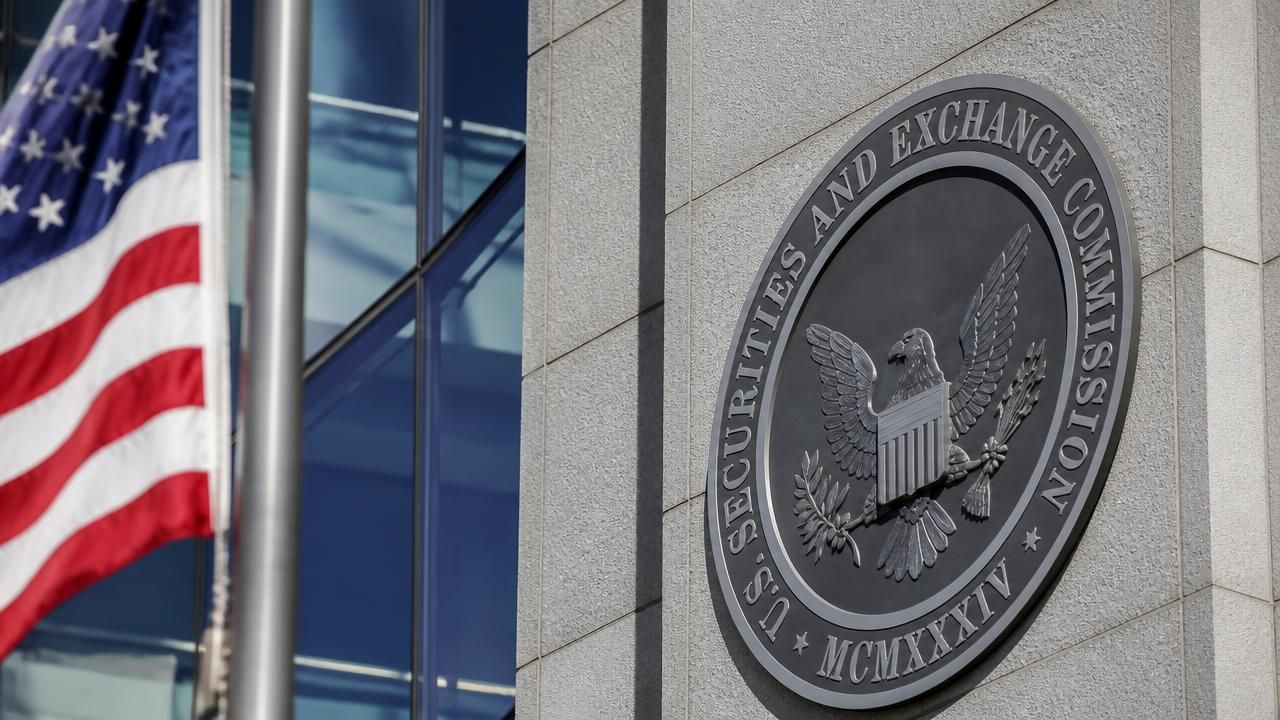
The U.S. Securities and Exchange Commission has subpoenaed several major Wall Street banks as part of an investigation into Situational Awareness, the high-flying artificial-intelligence hedge fund that nearly collapsed in July after a dramatic portfolio wipeout. The probe, first reported by The New York Times and confirmed by Reuters, marks a significant escalation in regulatory scrutiny of AI-driven trading strategies and the leverage that fuels them.
The Rise and Fall of a Prodigy
Situational Awareness was founded by Leopold Aschenbrenner, a 24-year-old former OpenAI researcher widely dubbed the "golden child" of AI investing. The fund quickly attracted billions from investors betting on Aschenbrenner's thesis that the AI hardware boom would reshape global markets. At its peak, the fund managed approximately $30 billion in assets, according to reports. Aschenbrenner reportedly used aggressive options positioning, including the purchase of $137 billion in notional value of AI hardware put options, amplifying both upside and downside risk.
That risk came home to roost in July. As AI-related stocks experienced a sudden reversal, Situational Awareness's leveraged positions unraveled with astonishing speed. The fund suffered a 67% portfolio wipeout, erasing tens of billions in investor wealth and sending shockwaves through the trading community. Hedge funds across Wall Street were forced to dump tech stocks at a historic pace, exacerbating the selloff.
The SEC Inquiry
Now the SEC is asking questions. According to people familiar with the matter, subpoenas have been sent to multiple major banks that provided financing or executed trades for the fund. Bloomberg reported that the subpoenas are focused on the banks' interactions with Situational Awareness, particularly around the leverage extended to the fund and the mechanics of its trades. Financial Times confirmed the development, noting that regulators are examining whether any parties engaged in improper conduct during the meltdown.
The investigation is still in its early stages, and no allegations of wrongdoing have been made against the banks or the fund. But the move signals that the SEC is taking a hard look at how AI-driven funds are using borrowed money and complex derivatives to magnify bets.
What Regulators Want
At the heart of the probe is the question of whether Situational Awareness's trading practices violated securities laws or whether its counterparties failed to manage risk appropriately. The SEC is reportedly examining the fund's use of leverage and whether banks had adequate controls in place when financing the fund's positions. The subpoenas are believed to target at least four major Wall Street lenders, according to Investing.com.
The case has become a flashpoint in the broader debate over AI in finance. Proponents argue that AI-driven funds can identify patterns and execute trades with superhuman speed and precision. Critics, however, warn that these funds can also amplify systemic risk, especially when they rely on opaque models and heavy leverage. The Situational Awareness collapse has become a cautionary tale, and the SEC's investigation could set a precedent for how regulators oversee AI-powered investing.
Media Framing and Market Reactions
Coverage of the investigation has varied. Bloomberg and Reuters focused on the subpoenas as the key news, while The New York Times highlighted the "near-implosion" of the fund. Quartz and BeInCrypto emphasized the staggering scale of the losses and the role of AI. Some outlets, like Finimize and The Banker, zeroed in on the leverage aspect, noting that the SEC's interest could extend beyond the fund itself to the banks that enabled it.
Meanwhile, the market impact is still being felt. According to Seeking Alpha, hedge funds sold tech stocks at a historic pace ahead of the Situational Awareness fire sale, suggesting that the fund's collapse was both a symptom and a catalyst of broader market turbulence. The incident has also revived conversations about the risks of concentrated bets in hot sectors like AI hardware.
What's Next
For now, the SEC's investigation is in its infancy. The banks that received subpoenas have not publicly commented, and Situational Awareness has issued no public statement on the probe. Aschenbrenner, once celebrated as a wunderkind, now faces the scrutiny of regulators and the wreckage of his fund's portfolio.
The outcome of the investigation could have far-reaching implications for the hedge fund industry. If the SEC finds that banks or the fund engaged in misconduct, it could lead to fines, trading restrictions, or even new rules governing AI-driven investing. Even if no wrongdoing is found, the case has already changed the conversation: AI hedge funds are no longer just a novelty; they are a systemic force that regulators are determined to understand.
As the inquiry unfolds, investors and observers will be watching closely. The rise and fall of Situational Awareness is a stark reminder that even the brightest minds in AI can't always predict the market—and that when they get it wrong, the fallout can be enormous.