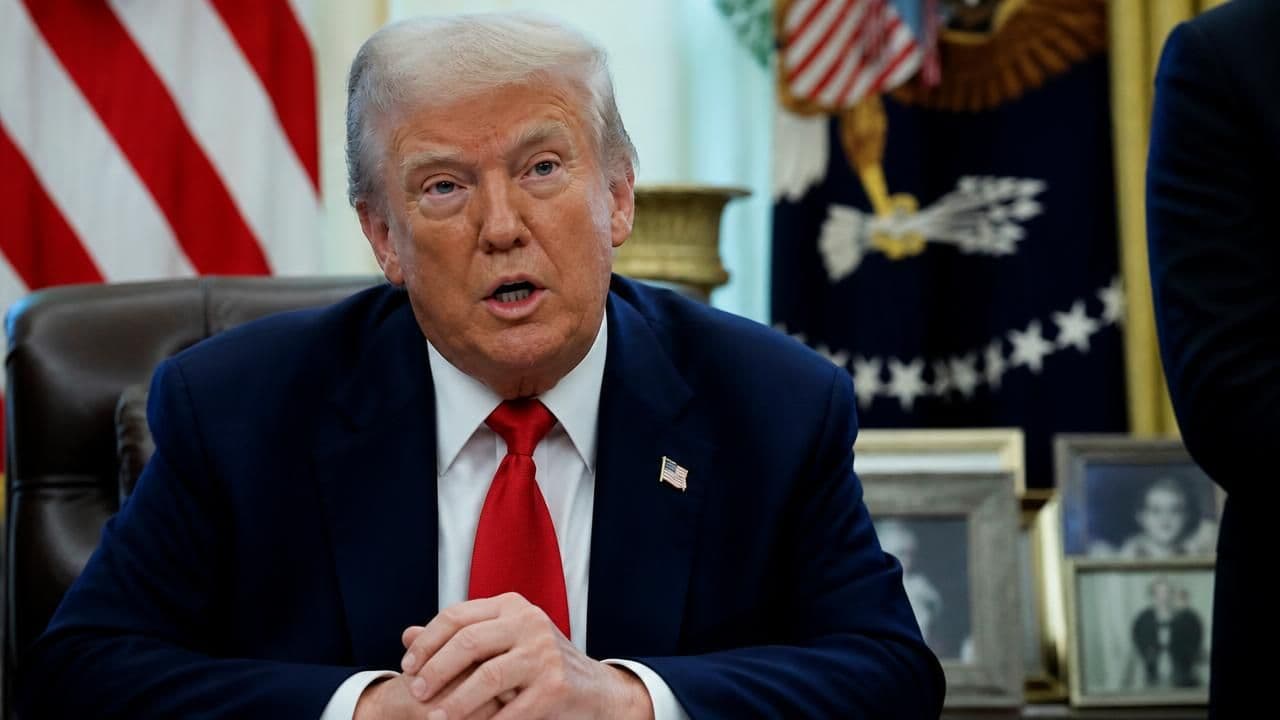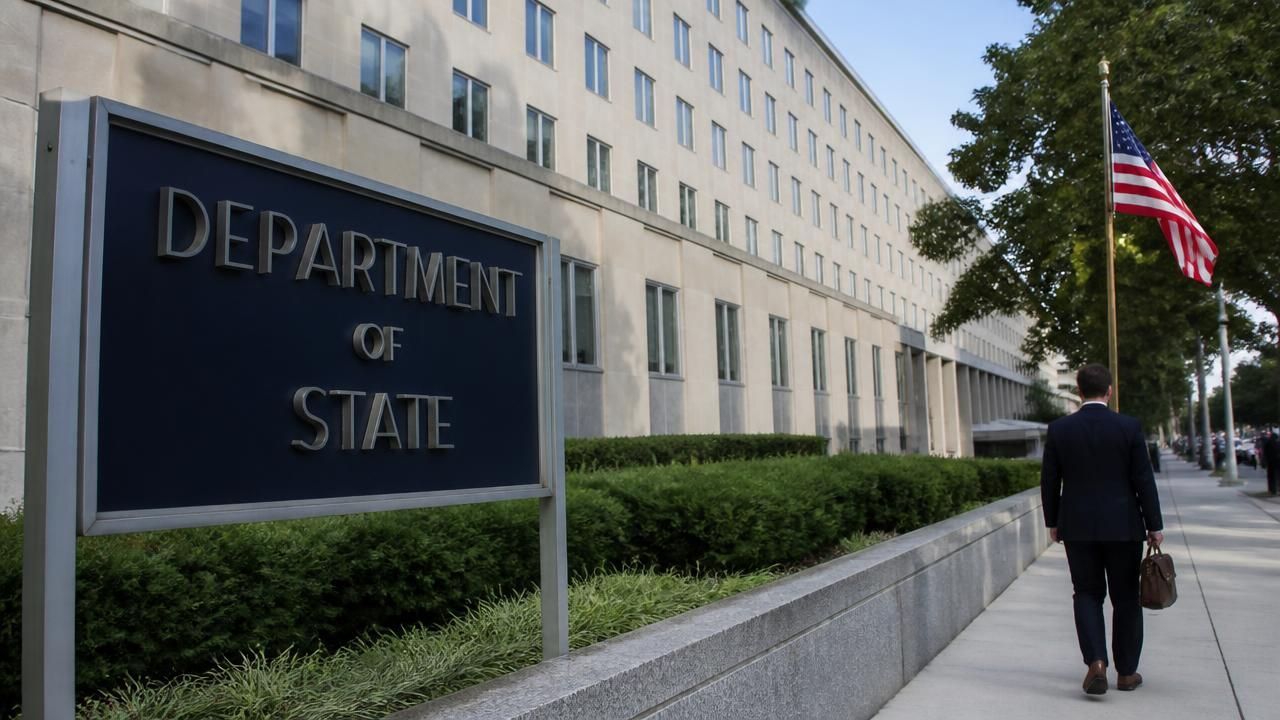
The Trump administration has ordered nearly 30 U.S. ambassadors to leave their posts immediately, a sweeping diplomatic shake-up that has left embassies around the world understaffed and allies uneasy, according to internal documents and multiple news reports. The recalls, described as part of an “America First” push to realign the State Department, come at a moment of extreme volatility in the Middle East, where fears of a full-scale war with Iran have triggered evacuations and a scramble to maintain a U.S. diplomatic presence.
The New York Times reported that evacuated foreign service officers could begin heading back to their embassies as early as this week, suggesting Washington does not anticipate a renewal of full-scale conflict with Iran. But CNN and NBC News depict a more precarious reality: U.S. embassies across the Middle East are preparing for extended periods with minimal staff, and hundreds of diplomats and their families remain in limbo, uncertain whether they will return to their posts or be permanently reassigned.
The Recall: A Sudden and Unprecedented Order
According to Reuters, the recall of roughly 30 ambassadors—one of the largest in modern U.S. history—was executed without public warning, catching both foreign governments and career diplomats off guard. The Wall Street Journal called it an “unprecedented global vacancies” crisis, with key posts in Europe, Asia, and the Middle East left without Senate-confirmed envoys.
The administration framed the move as a cost-cutting measure and a way to ensure diplomatic personnel align with President Trump’s vision. “We are here to serve the American people, not entrenched bureaucracies,” a senior administration official told Politico, speaking on condition of anonymity. The Guardian reported that the administration plans to promote loyal diplomats to fill senior roles, a move critics describe as a political purge of the foreign service.
Middle East Embassies in the Crosshairs
The most acute impact has been felt in the Middle East, where U.S. diplomatic missions are already operating under heightened security. The State Department ordered a drawdown at more missions in the region, according to the Seattle Times and Arkansas Online, straining consular services and intelligence-sharing at a critical time.
NBC News detailed the plight of embassy staff in Israel, where the U.S. told employees they may leave now if they wish, amid threats of American military action against Iran. Al Jazeera reported that dozens of career diplomats were recalled as part of the “America First” push, with the BBC noting that the administration’s chaotic approach has undermined long-standing alliances.
“This is not diplomacy; it’s demolition,” said a former U.S. ambassador to a Gulf state, speaking to Reuters. “You don’t pull your best people out of the region when you’re on the brink of a war.”
The Human Toll
Hundreds of diplomats and their families are now living out of suitcases, unsure where they will be assigned next. Some have been told to remain in Washington indefinitely, while others await word on whether their careers will survive the shakeup. The Guardian reported that morale at the State Department has cratered, with many career officers feeling scapegoated for policy failures that were not of their making.
A Pattern of Unconventional Diplomacy
The recalls are part of a broader pattern of Trump-era diplomatic decisions that have baffled allies and adversaries alike. In 2020, the administration ordered China to close its Houston consulate, citing espionage concerns, and pushed through normalization agreements between Israel and both Sudan and Morocco—moves that were hailed as breakthroughs but also criticized as transactional diplomacy lacking strategic depth.
More recently, NBC News reported that the U.S. is quietly returning to Libya, nearly a decade after the Benghazi attack, in another sign of the administration’s ad hoc approach to global engagement. Meanwhile, a New York Times report warns of plans to return Russian diplomats to the U.S., raising espionage risks—a contentious issue that further complicates the administration’s relationship with the intelligence community.
What’s Next?
The administration insists the recalls are temporary and that some diplomats will return to their posts soon. But internal documents suggest the State Department is now considering a permanent reduction in the number of career envoys, replacing them with political appointees who share the president’s ideology.
Critics argue this will weaken American influence abroad precisely when it is needed most. “The world is watching, and what they see is chaos,” said a retired Foreign Service officer quoted by USA Today. “The attack on our embassy in Iraq and the mass recalls show that Trump has walked into Iran’s trap, leaving us isolated and vulnerable.”
As the situation evolves, the fate of U.S. diplomacy remains uncertain. What is clear is that the mass recall of ambassadors has already left a mark on global perceptions of American leadership, and the consequences will be felt long after the last diplomat packs their bags.