The Trump administration is escalating its maximum-pressure campaign against Iran, with Treasury Secretary Scott Bessent describing the forthcoming measures as an “economic D-Day.” But Tehran is vowing defiance, and a wave of domestic unrest—along with open resistance from key allies—suggests the confrontation could spiral far beyond the financial battlefield.
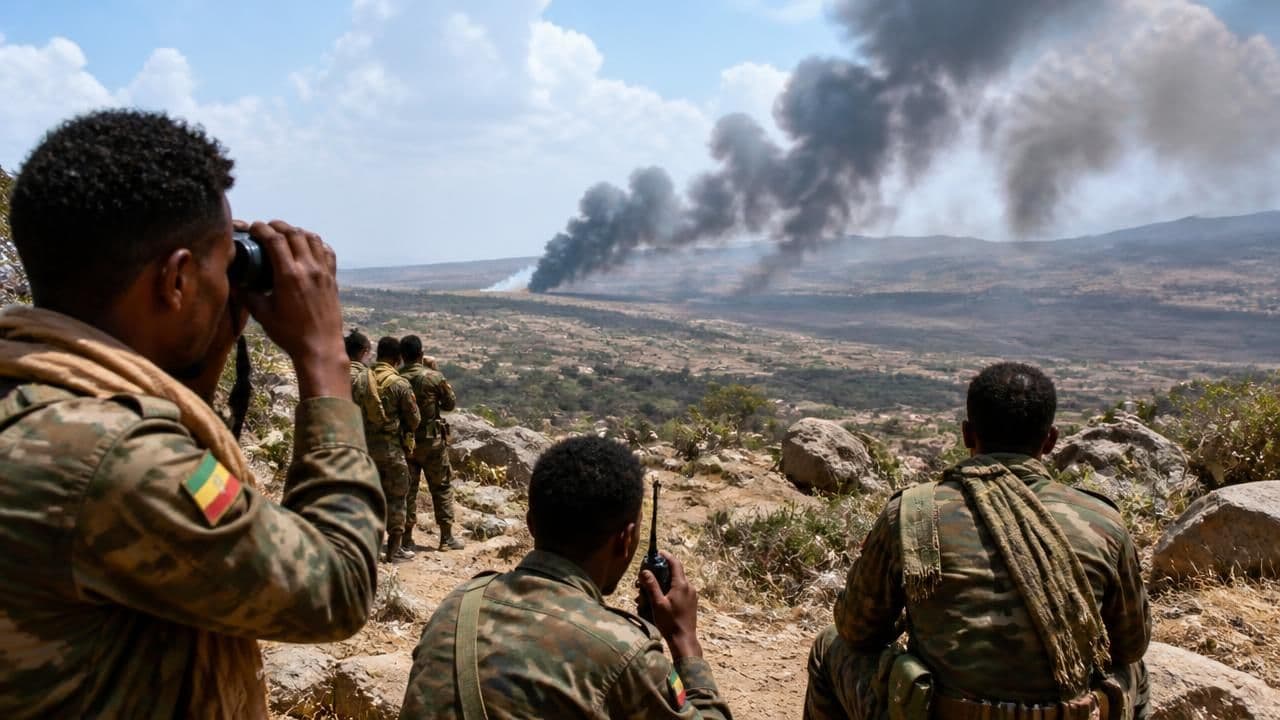
Iranian officials have categorically rejected Washington’s latest bid to strangle the country’s oil exports. One senior Iranian official, speaking on condition of anonymity, pledged that “not a single drop of oil” would leave the Gulf if the United States attempts to enforce its sanctions militarily. The threat underscores fears that the dispute could escalate into armed conflict.
A Historic Sanctions Package
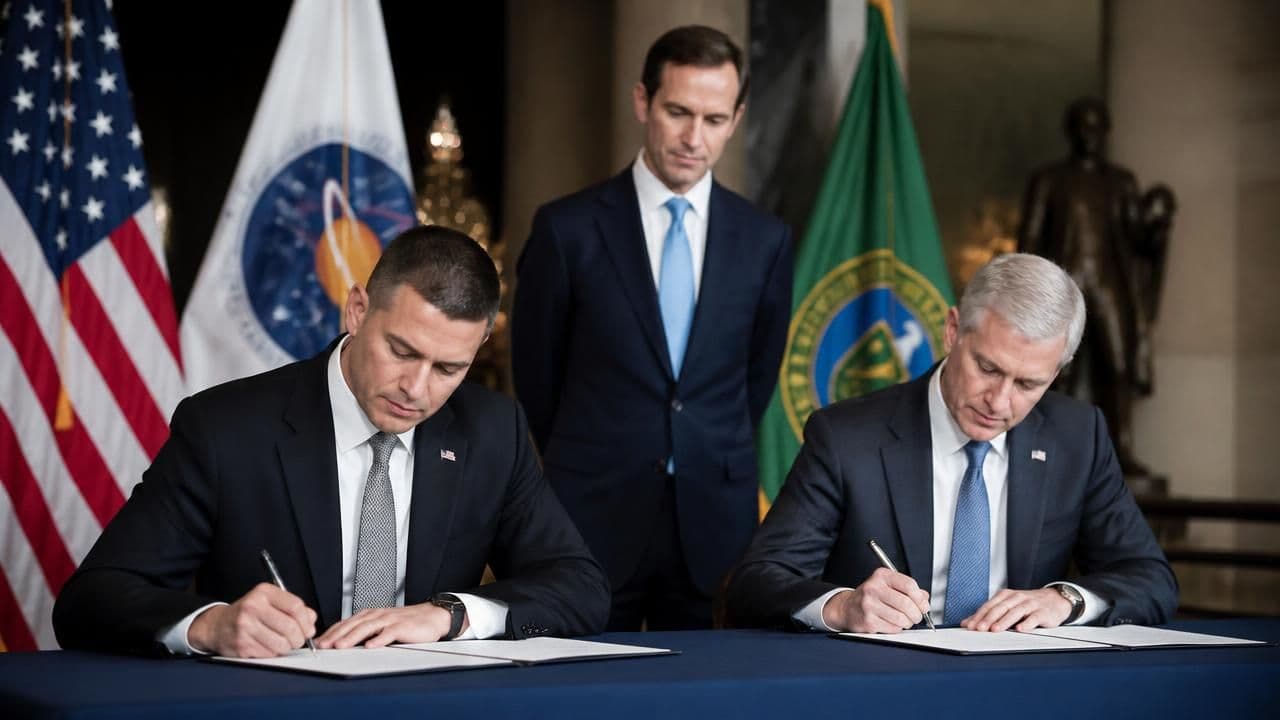
The U.S. Treasury Department is preparing what it calls a historic round of sanctions targeting Iran’s energy sector, banking system, and international shipping networks. Bessent told reporters that the measures would be unlike anything Tehran has faced before, likening them to the Allied invasion of Normandy during World War II. “This is economic D-Day,” he said. “The pressure will be relentless until Iran changes its behavior.”
The move is the latest chapter in a long-running standoff that intensified after the U.S. withdrew from the 2015 nuclear deal. The new sanctions aim to cut off remaining Iranian oil sales, which generate the regime’s primary source of revenue. According to analysts, the countries most exposed to these measures include China, Turkey, India, and several Gulf states—all of which rely heavily on Iranian crude or maintain deep trade ties with the Islamic Republic.
Iran’s Defiance and Military Threats
Iran’s leadership has responded with characteristic defiance. Supreme Leader Ayatollah Ali Khamenei has repeatedly vowed to resist American pressure, and the Revolutionary Guards have threatened to close the Strait of Hormuz if Iran’s oil exports are halted. “If the Americans think they can starve us into submission, they are profoundly mistaken,” said a senior Iranian commander quoted by state media.
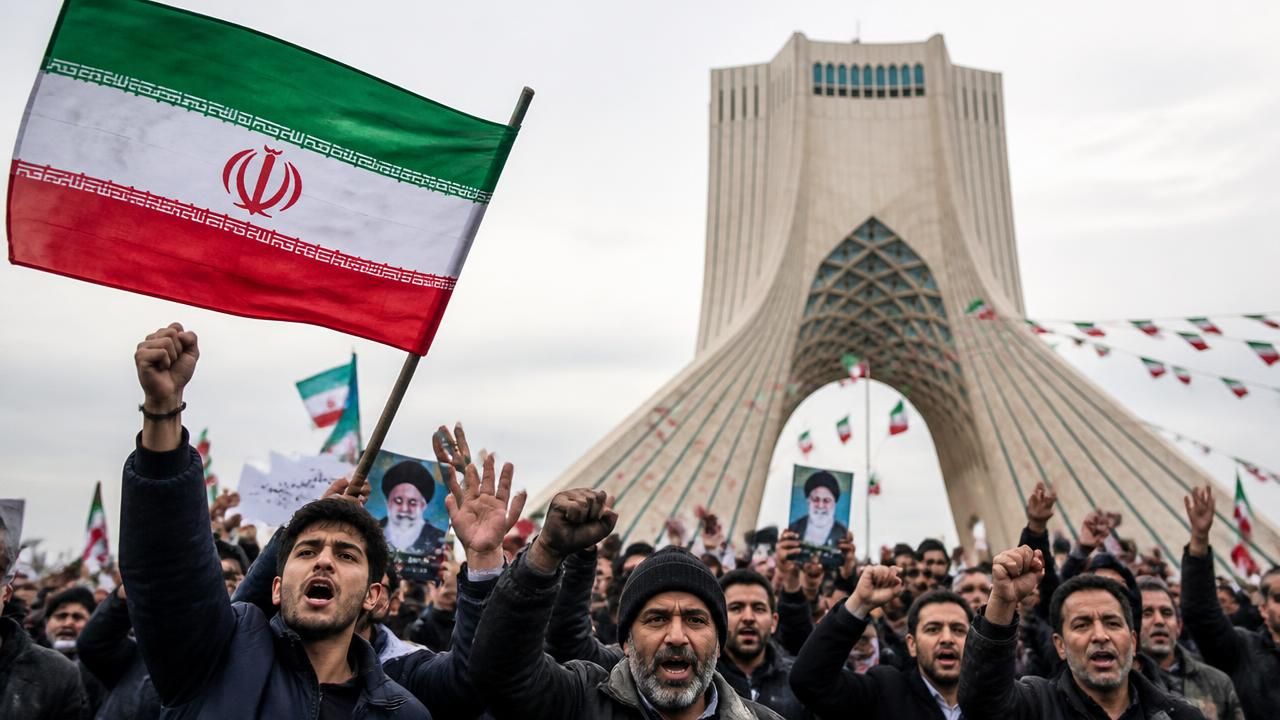
On the streets, the situation is even more volatile. Hundreds of people have been killed in anti-government protests sweeping the country over the past week, according to BBC reports. Demonstrators—many of them university students—are chanting “We’ll reclaim Iran” and openly challenging the clerical establishment. This internal unrest complicates Washington’s strategy: while the sanctions are designed to pressure the regime, they also risk strengthening hardliners who blame foreign interference for the country’s economic pain.
“We’ll reclaim Iran,” shouted a student in Tehran, as security forces dispersed a rally near the university. The slogan has become a rallying cry for a movement that opposes both the regime and American intervention.
Allies Defy Washington
The sanctions push is also straining America’s alliances. Turkey’s President Recep Tayyip Erdogan announced he would ignore U.S. sanctions on Iran, citing deep economic ties and energy dependence. “We are neighbors and brothers with Iran. No external power can dictate our relationship,” Erdogan said in a televised address.
Spain has similarly reiterated that it will not cooperate with U.S. military operations in the Middle East, directly contradicting earlier statements from the White House. Madrid insists its ships remain outside any potential conflict zone, and Spanish officials have called for diplomatic de-escalation.
Even the UK, often America’s closest ally, is showing independence. Prime Minister Keir Starmer has refused to ease sanctions on Russia, despite lobbying from Washington, signaling that London will chart its own course on foreign policy. While not directly related to Iran, this defiance highlights a broader unease with the administration’s confrontational approach.
The Beijing Factor
Meanwhile, President Trump is attempting to “defy gravity” with a friendship summit in Beijing, aiming to secure Chinese cooperation on curbing Iran’s oil exports. China is Iran’s top oil buyer, and any successful sanctions regime depends on Beijing’s willingness to reduce imports. Analysts are skeptical: China has previously ignored U.S. limits on Iranian crude, and the summit is unlikely to produce concrete commitments. “Trump wants China to do the heavy lifting, but Beijing has its own interests,” said one regional expert.
Who Pays the Price?
The ripple effects of the sanctions are already being felt. Oil prices have spiked, raising fears of inflation and economic disruption in developing nations. A report from The New York Times lists countries that could be hit hardest by the restrictions, including Turkey, India, and Greece—all of which rely on Iranian energy or have major shipping exposure in the Gulf.
For Tehran, the calculation is existential. With inflation soaring and the rial in freefall, the regime faces a stark choice: capitulate to American demands or double down on resistance. Iran has warned that if attacked, it will retaliate against U.S. allies in the region, including Israel and Saudi Arabia, raising the specter of a broader war.
Market Reactions
Global markets have been jittery, with investors seeking safe havens. In a bizarre juxtaposition, President Trump rang the opening bell at the New York Stock Exchange to celebrate his social media company’s public listing—a move critics called tone-deaf amid rising geopolitical tensions.
Outlook and Implications
The coming weeks will determine whether the “economic D-Day” succeeds or backfires. If Iran’s oil exports are truly halted, the resulting revenue loss could cripple the regime—but it could also trigger a humanitarian catastrophe and provoke Tehran to lash out militarily. At the same time, the protests rocking Iran suggest that the regime’s grip on power is anything but certain.
Washington’s allies appear increasingly reluctant to back a strategy that could destabilize the entire region. As Turkey, Spain, and others step back, the U.S. may find itself isolated, much like it did during the Iraq War.
One thing is clear: the world is watching closely, and the path to either de-escalation or conflict is exceedingly narrow.