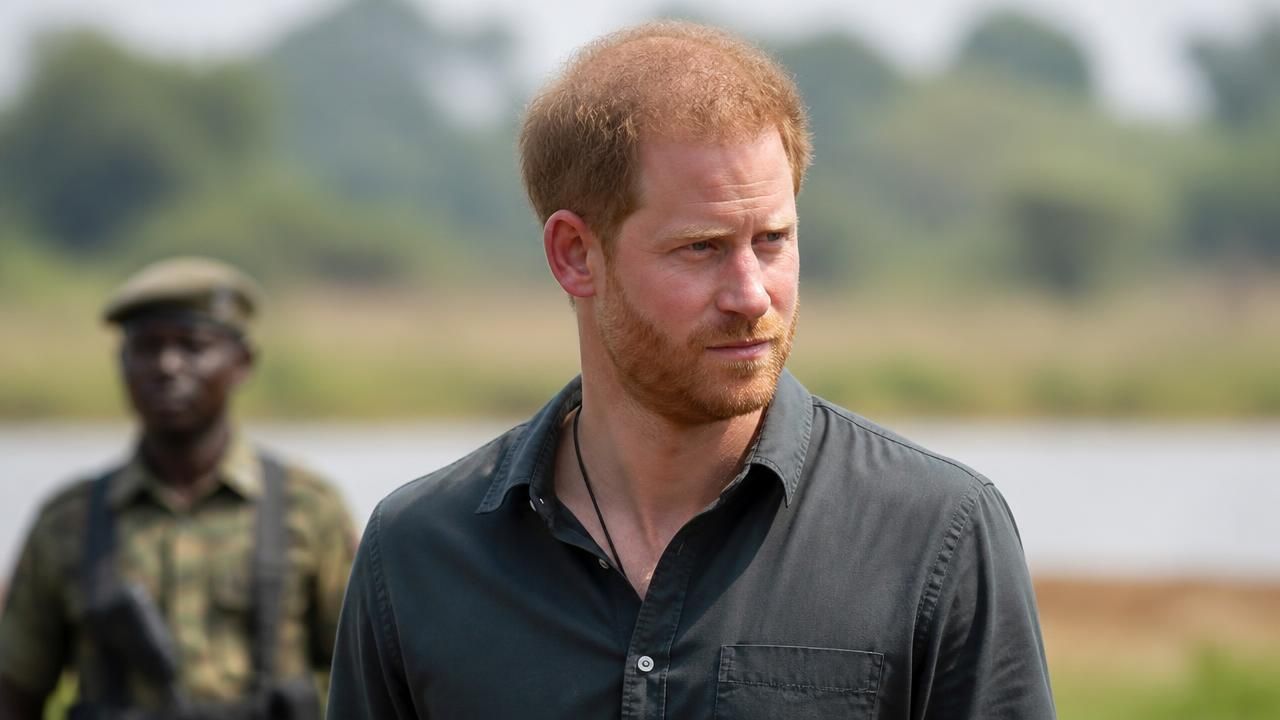
The Duke of Sussex has resigned from the board of African Parks, a major African wildlife conservation organisation, following the charity's admission last year that its rangers committed human rights abuses in the Republic of the Congo. The decision, confirmed by a spokesperson for Prince Harry, comes amid mounting scrutiny over the conduct of private conservation groups operating across the continent.
In a brief statement, the spokesperson said the Duke remains an “active and avid supporter” of African Parks’ mission, but offered no further explanation for his departure. The resignation marks the latest chapter in a controversy that has tarnished the reputation of one of the most prominent NGOs in wildlife protection.
Background: African Parks and Its Ambitions
African Parks is a South Africa-based non-profit that manages over 20 protected areas across 12 countries, covering more than 20 million hectares. The organisation works in partnership with governments and local communities, aiming to combine conservation with economic development. Prince Harry first joined the board in 2017, lending his royal prestige to the charity’s efforts to combat poaching and habitat loss. His involvement was seen as a natural fit for the Duke, who has long championed environmental causes.
However, the charity has faced growing criticism in recent years, particularly for its use of armed rangers and its relationships with state authorities. In some cases, rangers have been accused of excessive force, arbitrary detention, and even torture. African Parks has defended its approach, arguing that robust enforcement is necessary to protect endangered species and deter poachers.
The Congo Controversy
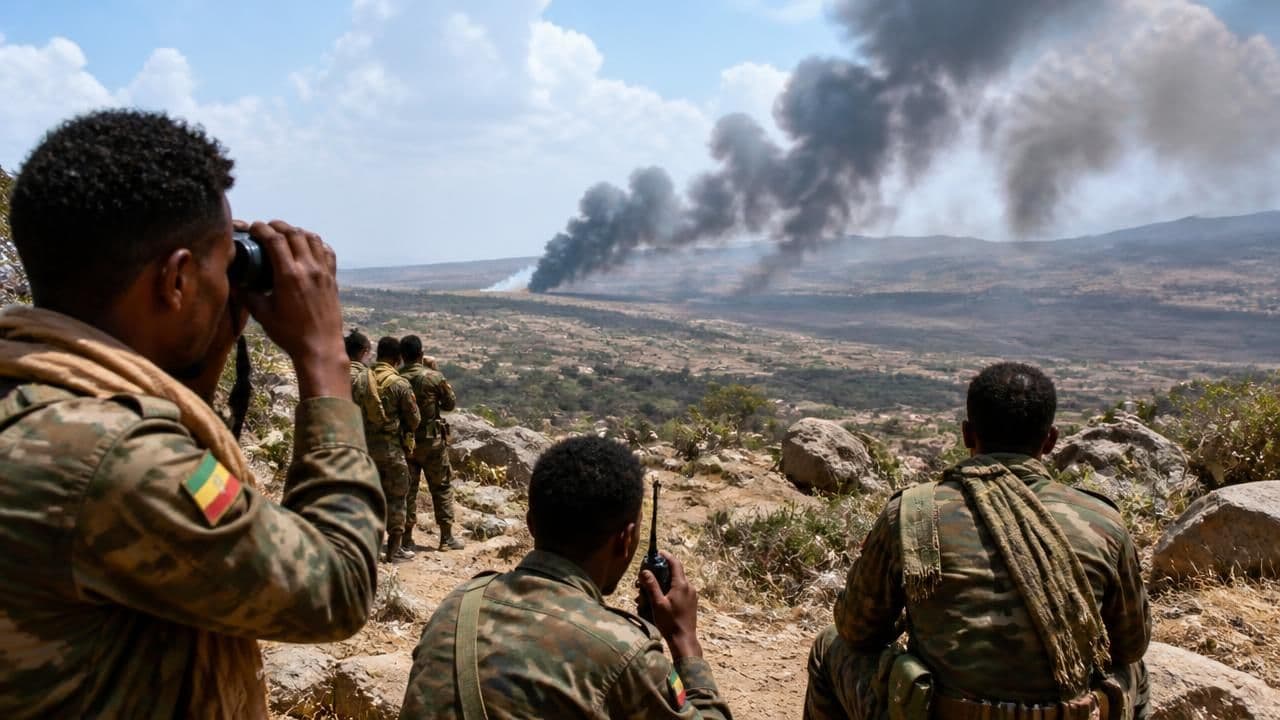
The specific incident that led to Prince Harry’s resignation stems from abuses committed by African Parks rangers in the Republic of the Congo. Last year, the organisation admitted that its personnel had been involved in human rights violations, including physical abuse and unlawful imprisonment of local villagers in and around protected areas. The admission followed an internal investigation prompted by reports from human rights groups such as Survival International, which documented harrowing testimonies from indigenous Baka and Baaka communities.
“We deeply regret and apologise for the harm caused to these individuals and communities,” African Parks said in a statement at the time, while also pledging to implement reforms. “We are committed to ensuring that such abuses never happen again.”
Despite these assurances, the fallout has been significant. Human rights organisations have called for independent oversight of African Parks, pointing to a systemic lack of accountability. The charity’s model, which often operates in remote regions with little external monitoring, has been criticised as a “green militarisation” of conservation.
Prince Harry’s Role and Resignation
Prince Harry had been a visible ambassador for African Parks, appearing in promotional videos and speaking at fundraising events. He visited several park projects across Africa and used his platform to highlight the threats facing wildlife. His departure from the board does not mean an end to his involvement; the spokesperson emphasised that he will continue to support the charity’s work from the sidelines.
The timing of the resignation is notable, coming just months after the charity’s admission. It suggests that Prince Harry may have felt pressure to distance himself from the controversy, particularly given his own advocacy for human rights and social justice. Some royal commentators have noted that his exit could be part of a broader strategy to protect his public image, especially as he and Meghan Markle navigate their post-royal careers.
Expert Perspectives and Broader Implications
The case has ignited a wider debate about the ethics of conservation philanthropy. “This is a wake-up call for the entire sector,” said Dr. Fiona Marshal, a conservation policy expert at the University of Oxford. “We cannot separate wildlife protection from human rights. If communities feel threatened by those tasked with protecting nature, the long-term viability of conservation efforts is in jeopardy.”
Local and indigenous groups have long argued that their voices are ignored in conservation decisions. The Baka people, who rely on forests for their livelihoods, have reported being evicted from their ancestral lands and subjected to violence. African Parks has denied systematic abuse, but independent investigations have corroborated some claims.
- In 2021, a report by The Guardian exposed rangers’ use of torture in a Central African park managed by African Parks.
- A 2022 investigation by Survival International detailed cases of beatings and extortion in the Republic of the Congo.
- African Parks has since introduced a community liaison programme and pledged to adopt a human rights-based approach.
What Next for African Parks and Prince Harry?
African Parks has expressed gratitude for Prince Harry’s service and reiterated its commitment to reform. The charity is now under increased pressure to implement transparent grievance mechanisms and to allow independent monitoring. Whether it can restore trust remains to be seen.
For Prince Harry, the resignation is unlikely to signal a retreat from environmental activism. His organisation, Archewell, has invested in sustainability initiatives, and he has previously spoken about the importance of “delicate balance” between conservation and human dignity. The challenge, observers say, is to put those values into practice in an industry that is often caught between urgency and expedience.
The episode also serves as a reminder that even the most well-intentioned efforts can cause unintended harm. As conservation organisations increasingly operate in complex political and social landscapes, they must prioritise accountability. Prince Harry’s departure may be a step back from leadership, but it could also prompt a deeper reckoning within the global conservation movement.