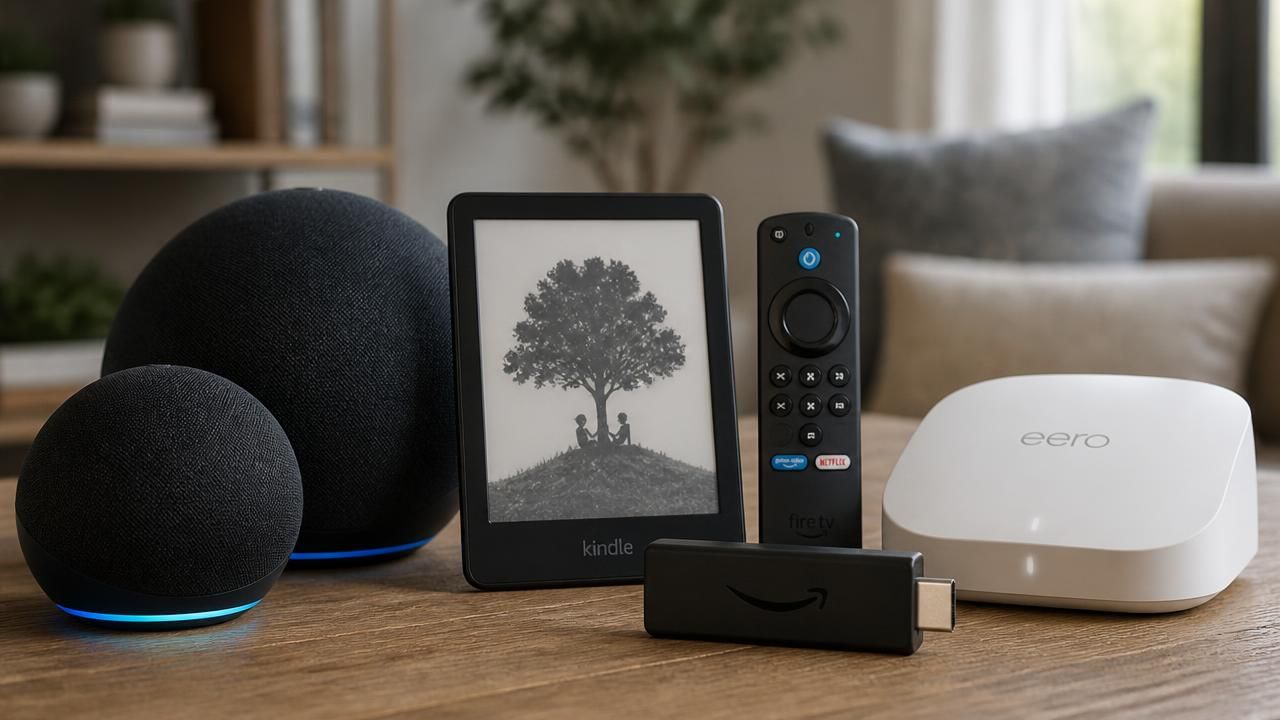
Amazon has quietly increased prices on a broad swath of its consumer hardware lineup, including Echo smart speakers, Kindle e-readers, Fire TV streaming sticks, and Eero mesh Wi-Fi routers. The increases, which hit some models by as much as 60 percent, were applied overnight and are being attributed to sharply higher memory and storage component costs. First reported by Fortune and confirmed by The Verge, the price adjustments signal a rare move for Amazon, which has historically priced its devices aggressively to seed adoption of its services.
In a statement, Kristy Schmidt, senior communications manager for Amazon's Devices & Services division, said: "The consumer electronics industry is facing significant increases in memory and storage component costs, and we are not immune to these pressures. We are adjusting prices on some of our devices to reflect these higher costs."
The new price list
Amazon did not issue a formal announcement, instead silently updating prices on its product pages. The steepest percentage increases landed on the most affordable hardware:
- Echo Dot: from $49.99 to $79.99 — a 60% jump
- Echo Dot Max: from $99.99 to $119.99 — a 20% increase
- Fire TV Stick 4K Max: to $84.99 — up more than 40%
- Kindle (base model): to $149.99 — a nearly 37% climb
The price changes also affect Eero mesh router models, which were not listed in the initial reports but have since been confirmed by multiple outlets including Android Pure and iClarified.
Why memory prices are exploding
The root cause cited by Amazon — rising memory and storage costs — is being felt across the tech industry. Memory chips, specifically DRAM and NAND, have seen sustained price increases over the past year, driven in large part by the surging demand for AI data center infrastructure. AI accelerators like Nvidia's GPUs require high-bandwidth memory (HBM), and that demand is consuming production capacity that would otherwise go to consumer electronics.
As Cryptopolitan put it in a headline: "AI's memory crunch just made Amazon devices more expensive." The article notes that the memory shortage, once confined to enterprise hardware, is now spilling over into the consumer market. Amazon's reference to "significant increases" echoes similar warnings from other device makers who have been forced to raise prices on laptops, tablets, and smartphones.
A tricky moment for Prime Day and the fall hardware event
The price hike comes at a delicate moment for Amazon shoppers. Prime Day 2025 is fast approaching, and Amazon is also expected to hold its annual fall hardware event in late September, where new Kindles, Echos, and Fire TV devices are typically announced. Mashable and PCMag have both reported on the anticipated new lineup. That means the higher prices are being introduced just as the next generation of devices are about to debut — and just in time for the biggest discount event of the year.
The timing raises a question: Are Prime Day deals still worth it when list prices have already been hiked? Several outlets, including PCMag, have begun evaluating whether current discounts on Amazon devices are worthwhile. While the percentage off may look generous, the actual dollar savings may be smaller than in previous years. On the other hand, deals on older generations, such as the Kindle Paperwhite, have been reported as "lowest price ever" by Good Housekeeping, suggesting that some discounts remain compelling despite the new pricing baseline.
A shift in Amazon's hardware strategy
Amazon's willingness to raise prices marks a notable shift from its long-standing strategy of treating hardware as a loss leader. The company has for years priced Echo and Fire TV devices at thin margins — sometimes even at a loss — to lock consumers into Alexa, Prime Video, and other Amazon services. That approach helped Amazon dominate the smart speaker market and build an installed base of hundreds of millions of devices.
But with memory component costs soaring, that subsidy model has become harder to sustain. Even Amazon, with its massive scale and $716.9 billion in annual revenue — recently surpassing Walmart — is not immune to input cost inflation. The company appears to be prioritizing margin protection over market share growth, at least for the current hardware generation.
How the story is being framed
The price increases have drawn coverage from across the tech and business press, with each outlet adding its own angle. The Verge focused on the details and the official statement, calling it a "quiet" hike and noting the up-to-60-percent jump. Fortune, which first reported the news, emphasized the "significant increases" in memory costs. Cryptopolitan linked the hike to the AI memory crunch, while Android Pure and iClarified provided SKU-level breakdowns. PCMag and Mashable tied the news to their Prime Day deal coverage, analyzing whether the newer, higher prices undercut the sales. The overall consensus: this is a structural shift in pricing, not a temporary fluctuation.
The bottom line
For consumers, the new prices mean that popular Amazon devices now cost significantly more at their baseline. The era of the $50 Echo Dot is over, at least for now. If you've been waiting for a discount, the best strategy may be to shop during Prime Day or Black Friday, where discounts off the new higher MSRPs can still yield savings — but don't expect to see last year's rock-bottom prices again.