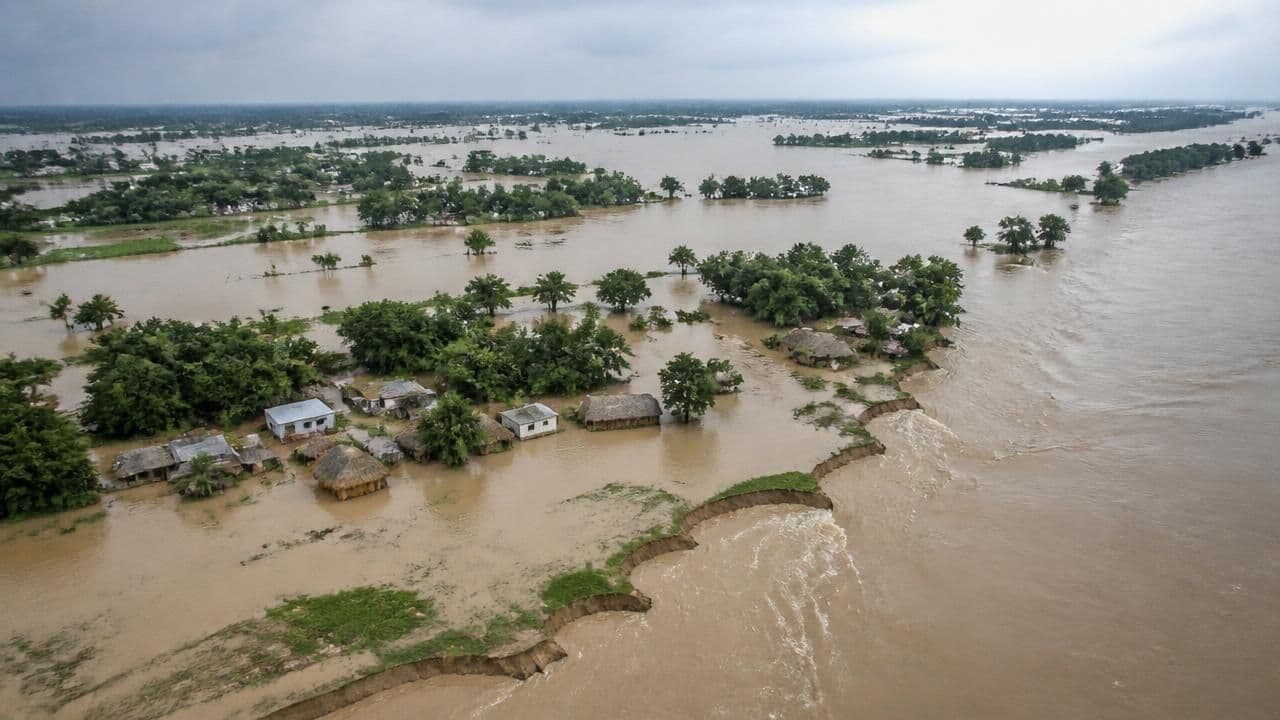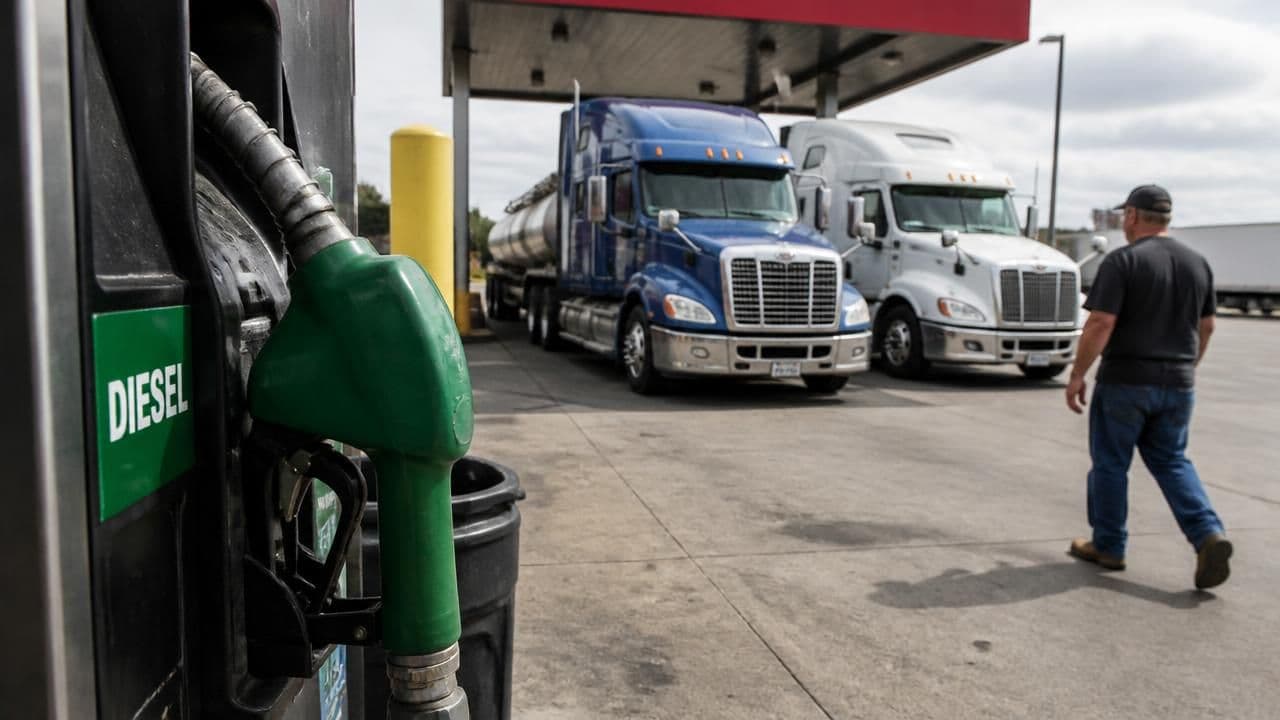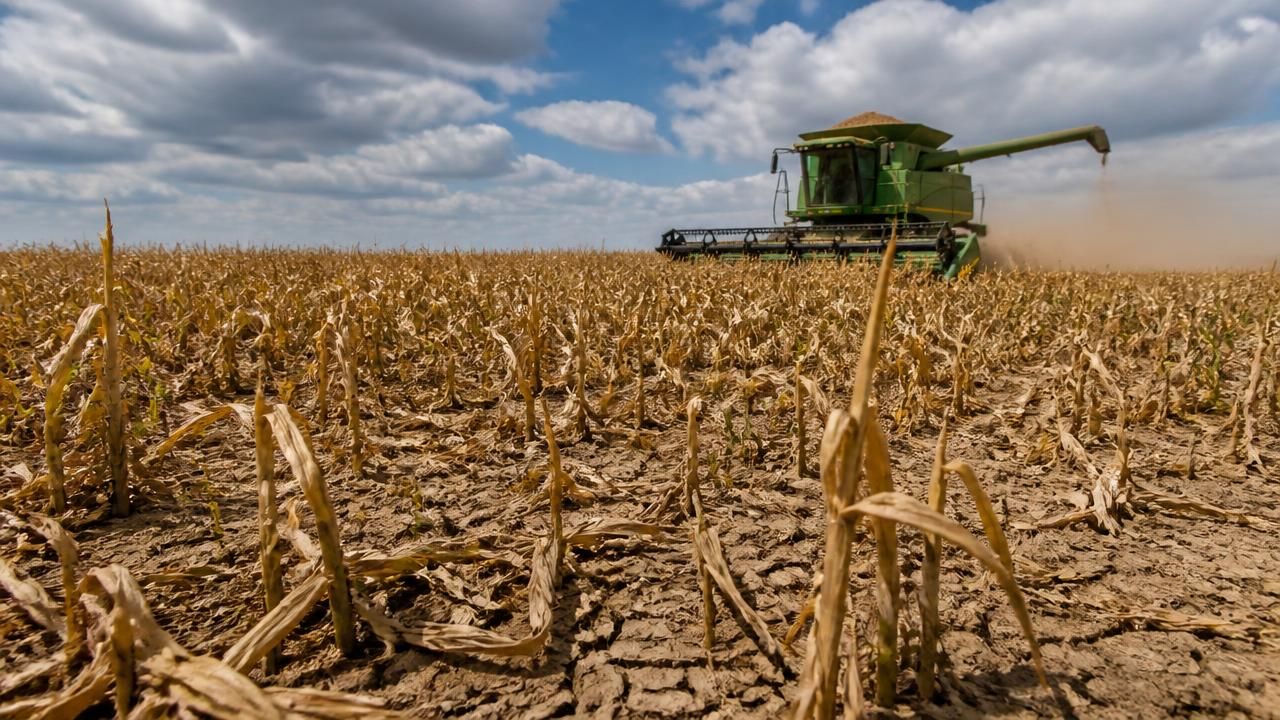
Extreme weather is sending shockwaves through global agricultural markets, driving up crop prices and complicating trade relations just as China, the world's top commodities importer, ramps up purchases to honor a trade agreement with the United States. With the risk of a 'super' El Niño rising and climate change squeezing yields worldwide, the intersection of weather, food security, and finance has never been more critical.
El Niño and Climate Change: The Perfect Storm
The BBC reports that the risk of a 'super' El Niño—a climate phenomenon characterized by unusually warm Pacific Ocean temperatures—is increasing, with potentially severe consequences for North America. Such an event could disrupt weather patterns globally, triggering droughts in some regions and floods in others, exactly when farmers are already struggling with the effects of a warming planet.
Stanford University researchers add a stark warning: climate change is cutting global crop yields even when farmers adapt. Their study, published in the journal Nature, finds that adaptation measures like changing planting dates or switching crop varieties are not enough to offset the damage from rising temperatures and shifting precipitation. This means the long-term outlook for food production is increasingly precarious.
Rising Prices and Shrinking Harvests
The immediate impact is visible in commodity markets. Bloomberg reports that extreme weather is trimming US harvests and boosting prices, which is significant because China is increasing soybean purchases to meet a commitment struck between the two nations' leaders. The US is the world's second-largest soybean exporter after Brazil, and any disruption to its crop affects global supply chains.
In China, the effects are already being felt at the grocery store. Sixth Tone, a Shanghai-based news outlet, notes that extreme weather has sent food prices soaring in China, with vegetables, pork, and grains all becoming more expensive. This puts pressure on Chinese consumers and complicates the government's efforts to manage inflation while maintaining social stability.
The threat extends to staple crops beyond soybeans. NBC News highlights a study warning that the world's wheat supply is at risk of a dangerous shock due to heat and drought. Wheat is a dietary staple for billions, and a major shortfall could trigger political and social unrest in import-dependent countries. Meanwhile, the coffee industry is also on edge. AgFunderNews reports that extreme weather is reshaping the future of coffee, as rising temperatures and erratic rainfall make traditional growing regions less viable and push farmers to higher altitudes or new areas.
China's Food Security Tightrope
For China, feeding 1.4 billion people is a constant challenge. The CSIS ChinaPower Project outlines the country's food security challenges, noting that it must import large quantities of soybeans, corn, and other commodities to meet domestic demand. The combination of extreme weather in exporting countries and rising prices creates a perfect storm for Beijing, which has made food security a top national priority.
The Bloomberg report emphasizes that China's recent soybean purchases are part of a trade deal, but the timing coincides with weather-related supply shocks, making it harder for both sides to fulfill commitments without causing domestic price spikes. This dynamic adds a layer of complexity to an already tense trade relationship.
Financial Markets and Climate Risk
The financial system is feeling the heat too. In a sign of how weather and trade disruptions ripple through markets, nai500.com reports that China's sulphur futures are near their debut as a blockage in the Strait sends prices soaring. Sulphur is a key input for fertilizer, and its rising cost exacerbates already-high agricultural production expenses. The new futures contract will allow Chinese buyers and sellers to hedge against such volatility, a direct acknowledgment of the market's growing exposure to supply shocks.
But hedging tools alone may not be enough. A study in Nature on climate risk exposure and bank risk-taking behavior in China finds that banks are increasingly vulnerable to climate-related losses. As extreme weather damages crops, disrupts supply chains, and raises the cost of doing business, borrowers may default, and banks' balance sheets suffer. The study suggests that regulators need to incorporate climate risk into financial oversight to prevent systemic crises.
What Lies Ahead?
As the super El Niño threat looms, experts are urging governments and businesses to prepare for more volatility. In the short term, consumers can expect higher grocery bills and potentially higher inflation. In the long term, the combination of climate change and extreme weather will likely force a rethink of global agricultural systems, from where crops are grown to how they are traded and priced.
The stories from US soybean fields, Chinese futures exchanges, and the world's wheat belts are all connected. They represent a new reality where weather, food, and finance are inextricably linked. As one analyst put it, 'We are not just climate risk; we are food risk and financial risk wrapped together.' Without coordinated action on climate adaptation and resilient supply chains, the shocks will only intensify.
For now, the markets are on edge, and China's balancing act between trade commitments and domestic stability grows more delicate. The coming months will test both the resilience of global agriculture and the ability of financial systems to absorb climate-driven disruptions.