The system designed to protect the health and legal rights of Immigration and Customs Enforcement (ICE) detainees has collapsed, leaving thousands of individuals in custody without reliable access to off-site medical care. According to a report by NPR, critics say this systemic failure is the reason why more detainees are risking their lives to protest inhumane conditions and violations of their legal rights through widespread hunger strikes.
What Happened: The Collapse of a Critical Payment Mechanism
At the center of the crisis is the contractor-run payment system that ICE uses to authorize and reimburse off-site medical treatments for detainees. This system, which was meant to be a safeguard ensuring that detainees receive timely care for conditions that cannot be treated at detention facilities, has ceased to function effectively. The collapse means that medical providers are no longer guaranteed payment, leading many to refuse or delay treatment for detainees who require hospitalization, specialist consultations, or emergency procedures.
AOL News raised a pressing question: Are detainees still getting off-site care? The answer, according to advocates and internal records, is increasingly no. The breakdown has created a bureaucratic maze where even the most urgent medical needs are being ignored or postponed indefinitely.
Disturbing Medical Claims Before the System Broke
Records obtained by MSN detail the stark reality of what is at stake. Before the payment system collapsed, ICE detainees had filed medical claims involving pregnancy complications, suicide attempts, and frostbite. These are not abstract cases; they are life-threatening conditions that require prompt and specialized medical attention. The failure of the payment system now places these individuals at even greater risk, as providers are reluctant to treat patients without a guarantee of reimbursement.
- Pregnancy-related emergencies requiring off-site obstetric care
- Suicide attempts necessitating psychiatric hospitalization
- Frostbite injuries from prolonged exposure in detention environments
Hunger Strikes: A Desperate Protest
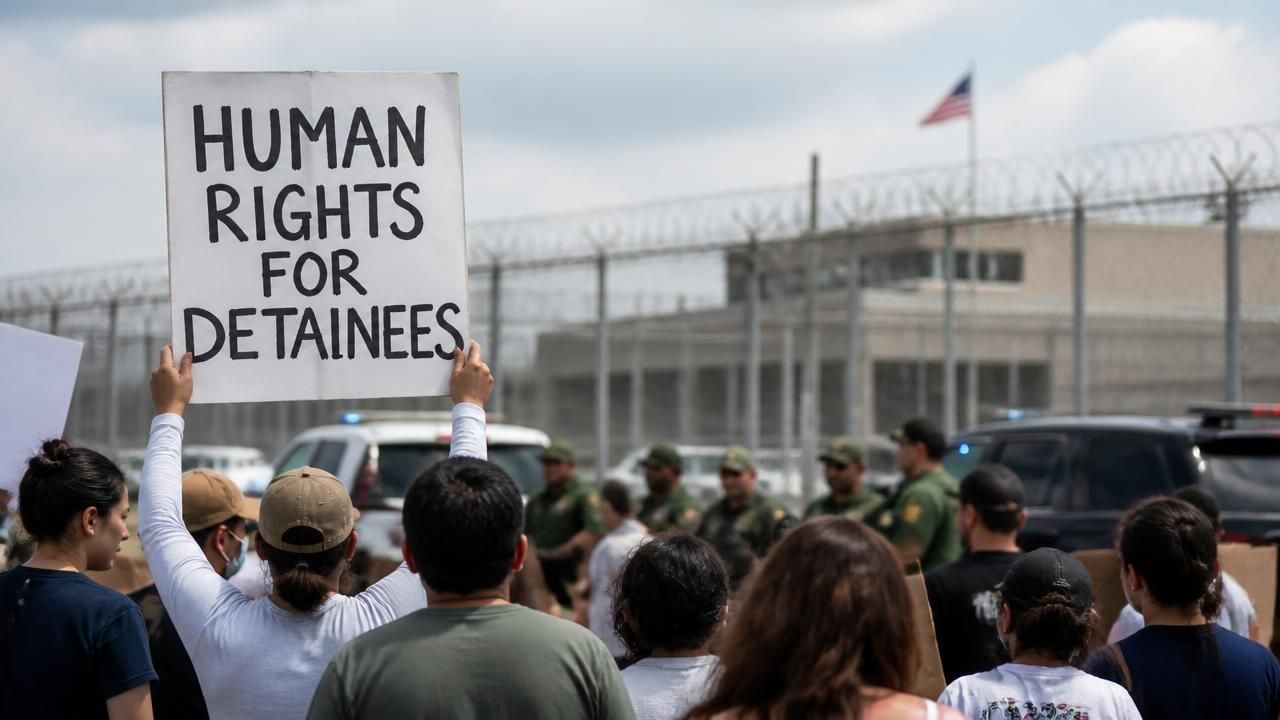
The collapse has not gone unnoticed by detainees themselves. NPR reports that critics link the payment system failure directly to a surge in hunger strikes. In detention facilities across the country, detainees are refusing meals in a desperate bid to draw attention to the denial of medical care and the broader erosion of their rights. These protests are dangerous; hunger strikes can lead to severe health complications, organ failure, and even death. Yet, for many detainees, the risk is worth taking when the alternative is potentially deadly neglect.
“The system sucks,” a federal lawyer involved in immigration enforcement reportedly told LawDork. “It's not designed to help these people; it's designed to process them.”
The blunt admission from a government attorney underscores the systemic indifference embedded in the immigration enforcement apparatus. The lawyer's remarks, covered by LawDork, reveal that even those working within the system acknowledge its profound failures—a rare moment of candor that contradicts official assurances of humane treatment.
Due Process Erosion: A Broader Context
The healthcare payment collapse is but one symptom of a deeper malaise. The Columbia Undergraduate Law Review, in an analysis titled “The Erosion of Due Process: An Invisible Justice in New York’s Immigration System,” argues that the immigration court system has become a space where procedural protections are routinely bypassed. From inadequate legal representation to opaque decision-making, the article contends that due process is more of a myth than a reality for many immigrants. This academic perspective frames the current healthcare crisis as part of a continuum of rights violations that affect detainees at every stage of their interaction with the system.
Framing the Story: How Outlets Differ
Different outlets have approached this story with divergent emphases. NPR and KJZZ focus on the collapse itself and its immediate humanitarian consequences, using the phrase “the system meant to protect ICE detainees has collapsed” as a stark indictment. AOL and MSN dive into the operational details and the medical claims that highlight human suffering. The Columbia Undergraduate Law Review and LawDork provide legal and political analysis, connecting the payment failure to larger issues of due process and government accountability. Together, these narratives paint a comprehensive picture of a system in crisis.
Broader Implications and Calls for Oversight
The implications extend beyond individual medical emergencies. When a government system fails to ensure basic healthcare, it erodes public trust and invites legal challenges. Already, advocacy groups are calling for congressional oversight and an independent investigation into ICE's medical contractors. Meanwhile, privacy advocates in Maryland are urging state officials to probe data brokers that supply personal information to ICE—a related issue of government overreach and lack of transparency. While not directly tied to the payment system, these concerns reflect a broader pattern of accountability deficits in immigration enforcement.
What Must Happen Next
- Immediate restoration or replacement of the healthcare payment system to ensure continued care
- Independent review of medical claims processing and detainee health outcomes
- Legislative action to mandate transparency and oversight for ICE contractors
- Investigation into the reported hunger strikes and conditions that prompted them
The collapse of the ICE healthcare payment system is not a technical glitch; it is a moral failure. As detainees continue to suffer and protest, the urgency for reform grows. The system was created to protect vulnerable individuals in custody—its breakdown betrays that fundamental promise. Until policymakers act, the crisis will remain a dark stain on the nation's commitment to justice and human dignity.