The universe rarely sits still, and this week was no exception. As the Sun set over Spain, skywatchers witnessed a total solar eclipse unlike any seen before—one that bathed the corona in a stunning golden glow. Meanwhile, astronomers continue to study the interstellar interloper 3I/ATLAS, and the coming months promise a string of celestial spectacles, from supermoons to the biggest and brightest lunar event of the year. Here’s a look at the stories making waves in science.
The Golden Eclipse That Stunned Skywatchers
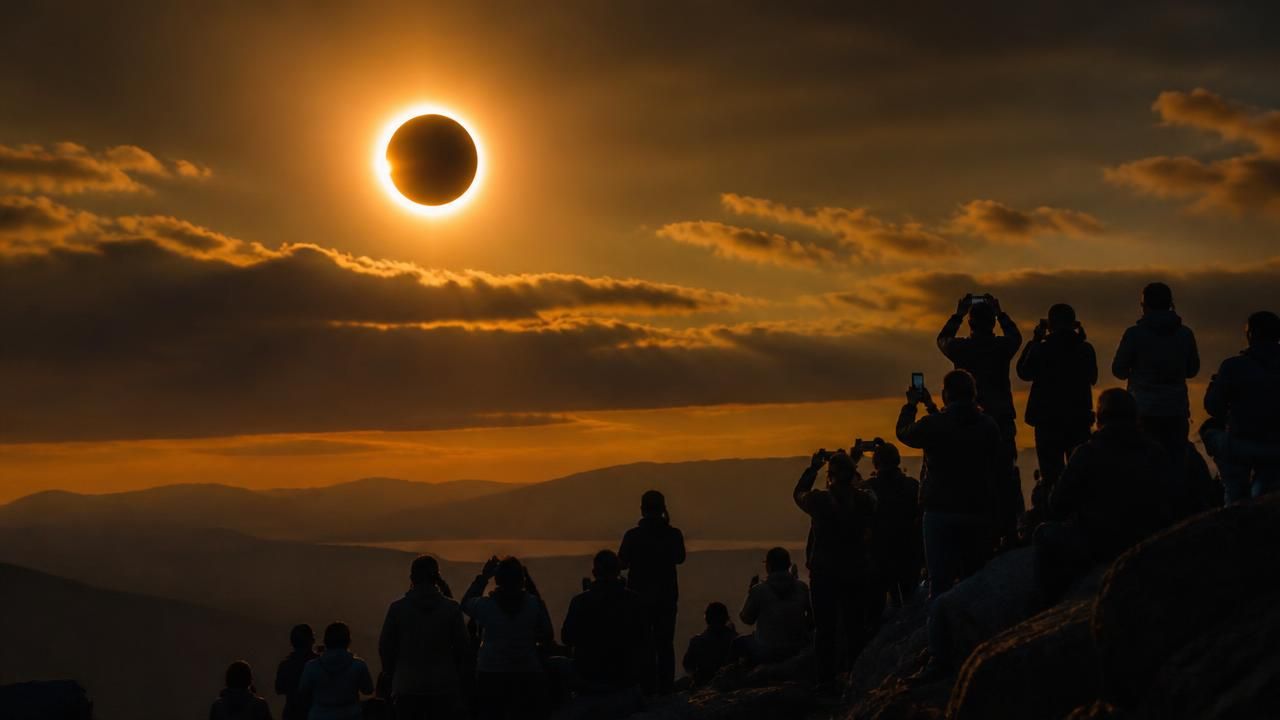
In a phenomenon that left observers breathless, the total solar eclipse over Spain produced a corona glowing gold instead of its usual pearly white. Science Daily reported that the unexpected hue was the result of two factors: the Sun was setting, so its light passed through more atmosphere, while smoke from nearby wildfires filtered out even more blue light. The result was a dramatic golden eclipse, punctuated by a bright pink solar prominence—a detail that captured the imagination of astronomers and casual skywatchers alike.
“Because the Sun was setting, its light passed through more atmosphere, while smoke from nearby wildfires filtered out even more blue light.”
National Geographic photographers were on hand to capture stunning images of the event, offering a visual record that words alone could not convey. Meanwhile, the BBC invited readers to share their own experiences with the headline “The eclipse - how was it for you?”—a testament to the public’s deep enthusiasm for solar phenomena. The eclipse was not just a scientific spectacle; it was a shared moment of wonder that bridged cultures and generations.
A Moon-by-Moon Guide to 2025–2026
While the eclipse dominated headlines, several outlets looked ahead to the lunar events that will grace our skies in the coming months. Discover Magazine addressed the April Full Pink Moon, clarifying that despite its rosy moniker, the moon won’t actually turn pink—but it will still glow beautifully. Space.com offered a guide to the July “Buck Moon,” which rises this week, and provided tips on what to expect during all four major moon phases in August. And National Geographic highlighted November’s “golden supermoon,” which promises to be the biggest and brightest of the year.
- April: Full Pink Moon—not actually pink, but a luminous sight.
- July: Buck Moon—a time to observe the full moon at its peak.
- August: A month to track all four major lunar phases.
- November: Golden supermoon—the largest and brightest full moon of the year.
These stories remind us that the moon remains our most accessible celestial companion, offering regular opportunities to look up and connect with the cosmos.
The Interstellar Comet That Isn’t (Probably) Aliens
Another story capturing attention was the discovery of the interstellar object 3I/ATLAS. Live Science posed the provocative question, “Is it aliens?” But the article quickly argued that this is the least important question we could ask. The real scientific value of 3I/ATLAS lies in what it can teach us about other star systems. By analyzing its composition, trajectory, and behavior, astronomers hope to gain insights into how planetary systems form and evolve. The alien hypothesis, while exciting, distracts from the object’s true significance as a cosmic messenger.
This framing highlights how outlets like Live Science are working to steer public discourse toward substantive science rather than sensationalism. As we continue to detect more interstellar visitors, the focus will remain on their composition and origins—not on speculative fantasies.
Quirky Science: Space Rituals, Strange Payloads, and Cat Legs
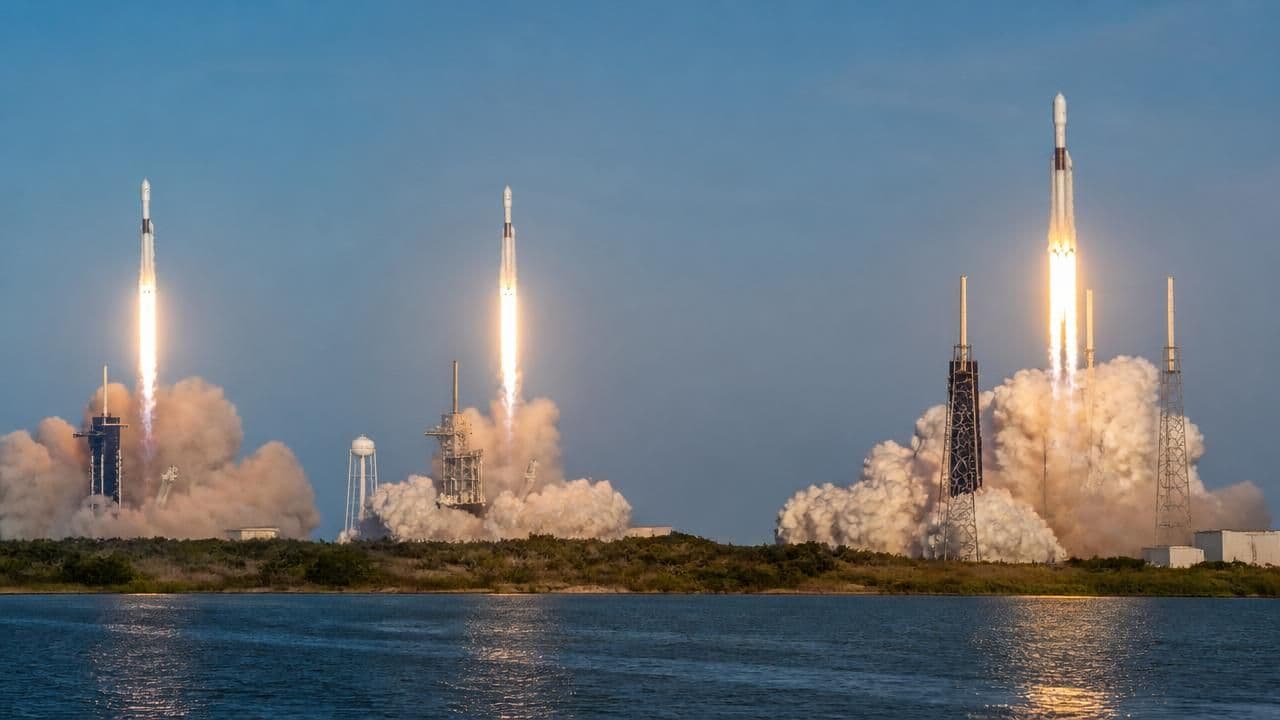
Not all science news this week was about the sky. The BBC explored “The strangest space launch rituals,” revealing the eccentric traditions that astronauts and ground crews follow before liftoff. From eating a traditional breakfast to ensuring no bananas are in the building, these rituals offer a human glimpse into the high-stakes world of space exploration.
Meanwhile, Science Focus teased “5 very very strange objects aboard the US Moon probe landing today,” hinting at the bizarre payloads that accompany scientific instruments on lunar missions. These objects often include cultural artifacts, time capsules, or symbolic items—reminding us that space exploration is as much about storytelling as it is about technology.
And in a delightful departure from cosmic themes, The Atlantic asked “The Weird Thing About Cat Legs.” While seemingly unrelated, this story serves as a reminder that science spans everything from the farthest reaches of the universe to the quirkiness of our own feline companions. It’s a humbling thought: we can study exoplanets and still not fully understand why cats do what they do.
One more note: IGN, a popular gaming outlet, accidentally published a Final Fantasy XIII-2 guide in its science feed—a harmless reminder that even the best editors sometimes need a save point. But for now, we’ll focus on the real science.
Conclusion: A Universe Full of Wonder
Whether it’s the golden glow of a solar eclipse, the steady rhythm of moon phases, or the enigmatic passage of an interstellar object, this week’s science news underscores the boundless curiosity that drives us. Each story offers a different lens on the cosmos, yet all share a common thread: the urge to understand our place in the universe. As we look ahead to the next eclipse, the next supermoon, and the next unexpected discovery, one thing is certain—there is always more to explore.