When the space shuttle Endeavour made its final, unforgettable flyover of Houston in 2026, one NASA photographer was there to capture the moment for the ages. That image, now seared into the collective memory of space enthusiasts, is just one of countless frames produced by the dedicated team at NASA Johnson Space Center’s Imagery Acquisition Group. These are the men and women who document humanity’s journey beyond Earth—from the gritty details of astronaut training to the triumph of launch and the quiet tension of mission control.
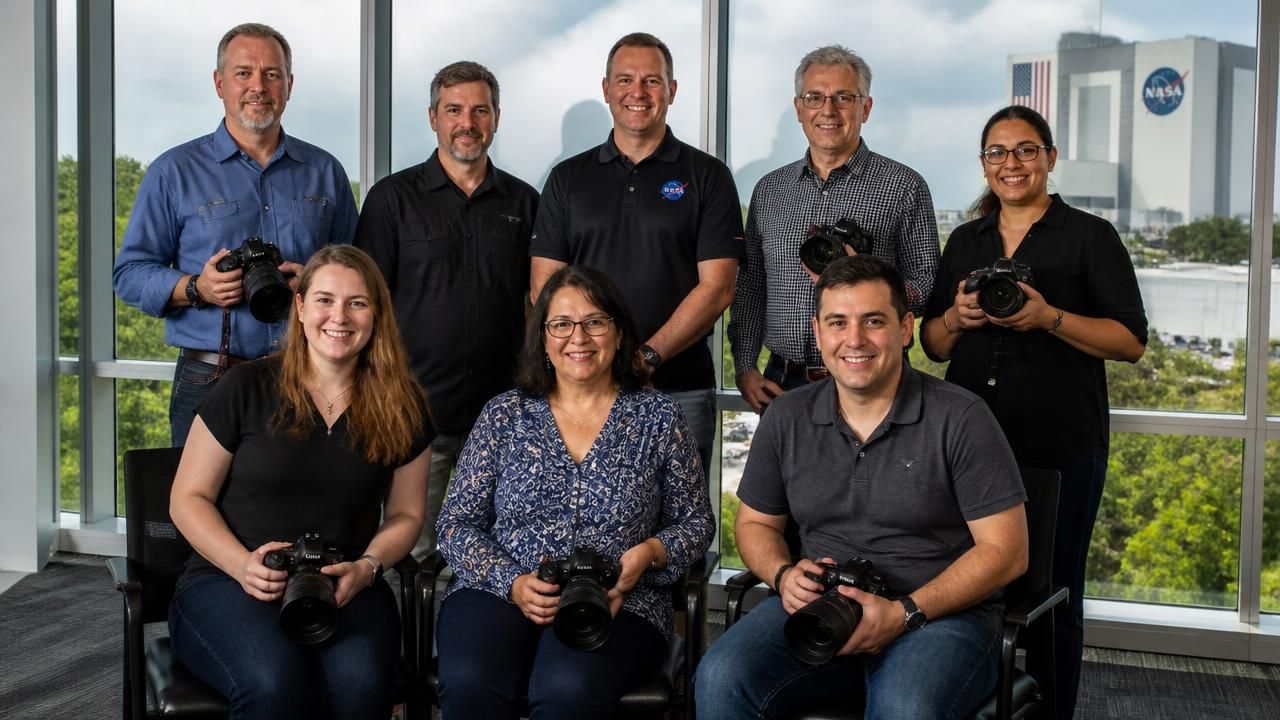
On Aug. 10, 2026, the group posed for a rare family portrait in Houston, Texas. Back row, from left: NASA photographers Bill Stafford, James Blair, supervisor Mark Sowa, and photographers Robert Markowitz and Luna Posadas Nava. Front row: Morgan Gridley, Helen Arase Vargas, and former photographer Josh Valcarcel. Together, they represent the collective eye of NASA’s human spaceflight program.
The Lens Behind the Mission
The Imagery Acquisition Group is responsible for preserving the visual history of NASA Johnson’s work. Their assignments range from capturing astronauts in T-38 training flights to documenting engineering tests, mission control operations, and milestone celebrations. As NASA notes in its own feature, “their images preserve the history of exploration while capturing the people and teams behind the missions shaping the next era.” It’s a sentiment echoed by the photographers themselves.
“Being able to help tell the stories of the people who work here, and the missions they support, is a privilege,” said Robert Markowitz, one of the group’s senior photographers. “We get to see the blood, sweat, and tears that go into every launch, and we get to share that with the world.”
Markowitz has flown aboard T-38 aircraft during flight operations to capture imagery that no ground-based camera could ever achieve. His work, along with that of his colleagues, has become the connective tissue between NASA and the public.
Training Artemis II Astronauts as Photographers
The photographers’ expertise isn’t just used behind the camera—it’s also shared with the very people who travel to space. According to Reuters, the Artemis II astronauts made the most of professional photography training provided by NASA Johnson’s imaging team. Astronauts on Artemis II, the first crewed mission to the Moon since Apollo 17, will need to document their journey in ways that go beyond standard mission logs.
The training involves hands-on sessions where the photographers teach the crew how to frame shots, manage lighting in the harsh environment of space, and operate the specialized cameras that will fly aboard Orion. The goal is to return with imagery that not only serves scientific purposes but also inspires a new generation.
“The astronauts are quick learners,” said Morgan Gridley, who led one of the training sessions. “They know how important their photos will be. When they’re looking back at Earth from the far side of the Moon, we want them to capture that moment perfectly.”
This preparation is part of NASA’s broader effort to ensure the public can share in the experience of deep-space exploration. The photography training also helps astronauts document essential maintenance and scientific tasks during the mission, making their role as visual documentarians just as critical as their piloting skills.
The Houston Chronicle: Endeavour’s Iconic Flyover
The Houston Chronicle recently highlighted the work of NASA photographer Bill Stafford, who captured the unforgettable flyover of the space shuttle Endeavour as it was transported to its final museum home. That flyover, which took place over Houston, was a sendoff for the orbiter and a tribute to the city where much of NASA’s mission control operations are based.
Stafford’s photograph of Endeavour against the Houston skyline has become an emblem of the shuttle era’s end. In interviews, Stafford described the emotional weight of the assignment. “It wasn’t just a plane flying by; it was a piece of history, and I knew I had to do it justice,” he said. His work, like that of his colleagues, demonstrates how a single image can encapsulate decades of achievement.
The flyover was a complex operation, requiring coordination between NASA, the U.S. Air Force, and local authorities. Stafford had to anticipate the shuttle’s flight path, account for lighting conditions, and secure a vantage point that would capture the juxtaposition of the aging orbiter against the modern cityscape. The resulting image is a testament to his technical skill and artistic vision.
More Than Just Photos: The Science of Visual Documentation
The work of the Imagery Acquisition Group is not merely aesthetic; it’s a critical scientific tool. High-resolution imagery is used to inspect spacecraft components for micrometeoroid damage, to analyze test footage for engineering anomalies, and to provide telemetry data that sensors can’t capture. Photographers at Johnson work alongside engineers and flight controllers to ensure that every angle of a test or mission is documented.
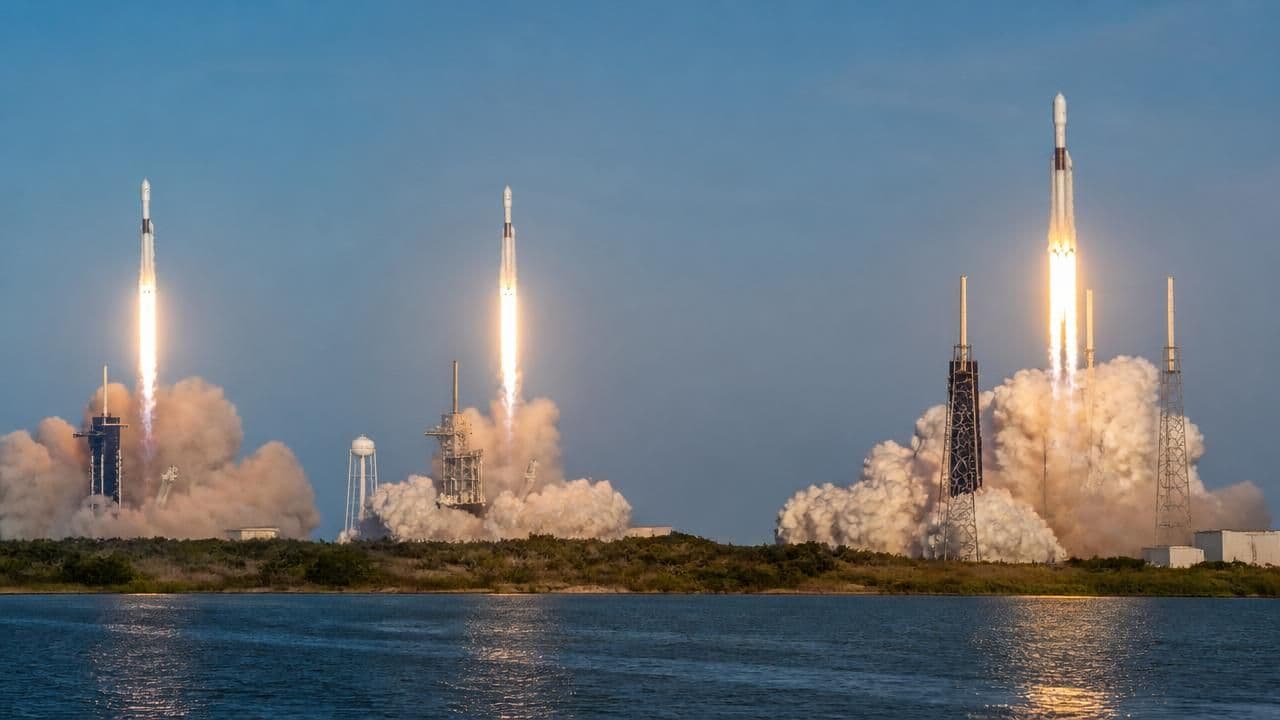
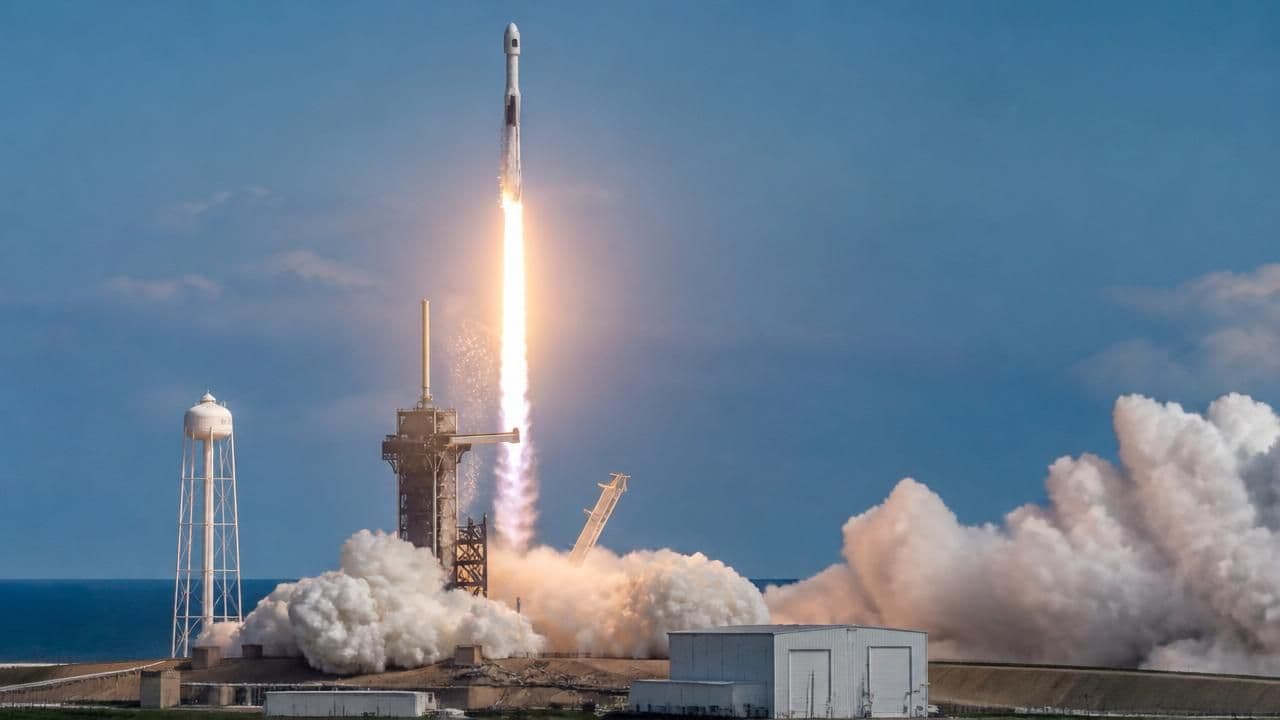
For example, during the Artemis I uncrewed mission, imagery taken from cameras mounted on the rocket and the Orion spacecraft helped engineers assess the performance of the heat shield and attitude control systems. The ground-based photographers, meanwhile, captured the launch in Northrop Grumman’s grid fins and the spacecraft’s separation events, providing real-time feedback to mission teams.
The group also produces outreach materials that give the public a window into NASA’s work. From social media posts to educational resources, their images inform and inspire. In an age of digital saturation, the ability to craft a single, resonant image is more valuable than ever.
Preserving History for the Next Era
As NASA pivots from the Space Shuttle program and International Space Station operations to the Artemis program and the return of humans to the Moon, the documentation team is already preparing for the challenges ahead. They will travel to the Artemis II launch site, provide coverage from the European Space Agency's contributions, and ultimately capture humanity’s first steps back onto the lunar surface in nearly six decades.
But the team also preserves the past. The group’s archives contain hundreds of thousands of images, films, and digital files dating back to the 1960s. These are being digitized and made accessible to historians, filmmakers, and the public. In this way, the photographers are not just witnesses to history—they are its guardians.
“Our job is to capture the moment, but also to remember what it felt like,” said supervisor Mark Sowa. “When someone looks at a photo fifty years from now, I want them to feel the awe and the effort that went into these missions. That’s why we do what we do.”
The Human Element
Behind every iconic NASA image is a person with a story. Luna Posadas Nava, one of the newer members of the team, started as an intern and worked her way up. Helen Arase Vargas, whose father was an engineer at NASA, grew up around the Johnson Space Center and found her calling in photography. James Blair has documented every shuttle launch since the 1990s. Their diverse backgrounds bring a range of perspectives to the visual record.
In an era where images can be generated artificially, the work of these photographers stands out for its authenticity. They are physically present, reacting to real events, and bearing witness to history. That human touch—the eye behind the lens—remains irreplaceable.
As the Artemis II crew prepares to fly the first crewed lunar mission in over fifty years, the photographers of NASA Johnson will be there, on the ground and in the air, ensuring that the story is told. They are the silent partners in every discovery, the chroniclers of our collective journey beyond the cradle. To meet them is to understand that NASA’s greatest images are not just technical achievements—they are works of heart and craft.
Follow the Imagery Acquisition Group’s latest work on NASA’s Johnson Space Center social media channels, and watch for upcoming features on the Artemis II mission as photographers continue to bring the universe a little closer to home.