In a sweeping series of announcements, NASA has selected a new cohort of commercial partners to support everything from prelaunch spacecraft processing to orbital transfer vehicles and lunar surface deliveries. The moves, unveiled across multiple contract actions in recent days, underscore the agency's accelerating shift toward a private-sector-led space economy.
Payload Processing: A Critical On-Ramp
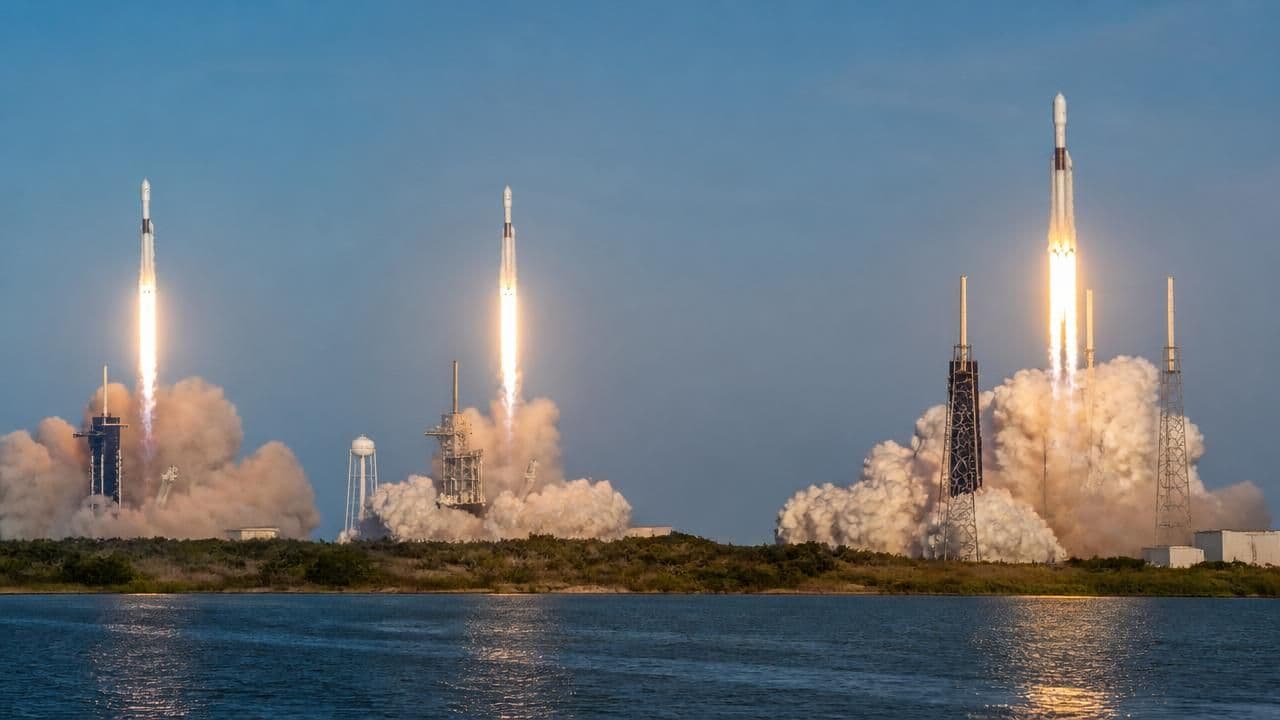
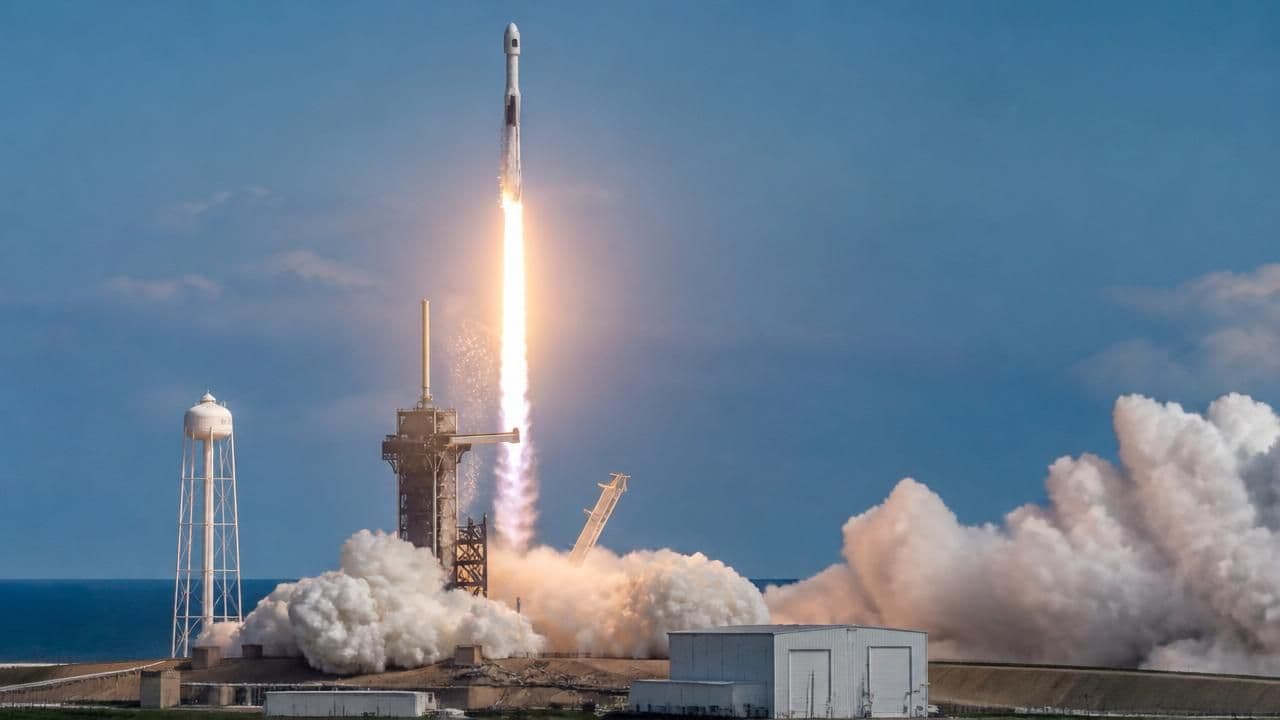
The most concrete award came under NASA's Spacecraft Processing Operations Contract, where the agency added four companies to provide payload processing facilities. All Points Logistics LLC, Blue Origin LLC, Firefly Aerospace, and L3Harris Technologies Inc. will now be eligible to support prelaunch processing of spacecraft and associated rocket hardware for NASA missions launching from multiple locations. The contract is a multiple-award, commercial, firm-fixed-price, indefinite-delivery/indefinite-quantity vehicle with an aggregate ceiling of $100 million and an ordering period through Feb. 1, 2033.
"Through the contract, NASA procures facilities and services required to perform prelaunch processing of spacecraft and associated rocket hardware for delivery to the launch pad," the agency said in an official release.
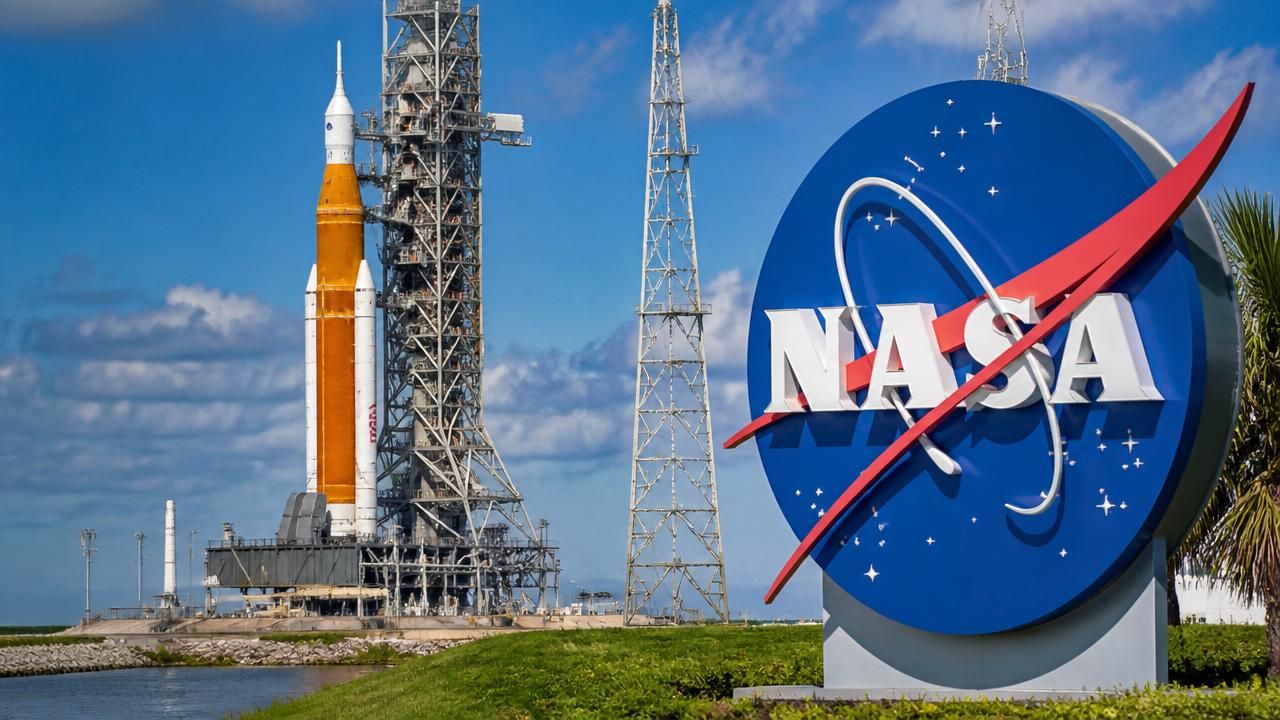
The contract is managed by NASA's Launch Services Program at Kennedy Space Center, which works with private industry, mission, and international partners to launch science payloads ranging from small college satellites to the agency's highest-priority missions. The on-ramp provision allows new providers to join when capabilities were not available at the time of the initial award — a sign of NASA's intent to keep the roster open to emerging companies.
Orbital Transfer Vehicles: Bridging the Gap
In a related but separate action, NASA selected six companies to conduct orbital transfer vehicle studies under its Venture-Class Acquisition of Dedicated and Rideshare Launch Services (VADR) contracts. Arrow Science and Technology, Blue Origin, Firefly Aerospace, Impulse Space, Rocket Lab, and United Launch Alliance will receive firm-fixed-price awards totaling about $1.4 million for nine studies exploring future applications of orbital transfer vehicles for NASA missions.
These studies are part of a broader effort to create a U.S. in-space transportation ecosystem. As reusable rockets and rideshare programs drive down launch costs, orbital transfer vehicles — spacecraft that can move payloads between orbits or to the Moon and Mars — are seen as a key next step. The modest dollar value belies the strategic importance: NASA is planting seeds for a commercial market it will later rely on.
Lunar Ambitions: Landers and Resources
On the Moon front, NASA has also been busy. Multiple outlets reported the selection of commercial lander providers for the Artemis program. Spaceflight Now reported that NASA picked three companies to send commercial landers to the Moon, while Space.com noted that SpaceX, Blue Origin, and others were joining a "private Moon lander project." GeekWire highlighted the first commercial ventures to deliver scientific payloads to the lunar surface, and I-Connect007 described the awards as the first commercial Moon landing services for Artemis.
These awards build on NASA's Commercial Lunar Payload Services (CLPS) initiative, which has already seen Intuitive Machines and Astrobotic launch missions. The expansion adds more providers and capabilities, including larger landers capable of supporting human precursor missions.
Additionally, NASA selected Interlune, a startup, for a lunar regolith helium-3 extraction mission — a step toward using lunar resources for energy and other applications. This aligns with NASA's goal of establishing a sustainable presence on and around the Moon.
Looking Toward Mars and Beyond
The commercial push extends to Mars as well. Space.com reported that NASA has selected nine companies to develop "commercial services" ideas for the Red Planet, signaling that the agency is thinking about how to stimulate a Martian economy even before humans arrive. While details remain early, the move suggests NASA wants to apply the same public-private model that has revolutionized low Earth orbit and is now reshaping lunar exploration.
Infrastructure and Research: The Ecosystem Grows
The commercial space park is not just about launch vehicles and landers. Sierra Space's Dream Chaser space plane will use a new processing facility at Kennedy Space Center, according to Florida Today. The facility, leased from NASA, will prepare the spacecraft for its first cargo missions to the International Space Station — a key validation of commercial infrastructure. Meanwhile, research platforms like Orbital Reef, a commercial low Earth orbit destination, are gearing up to offer science opportunities, as described in a paper in npj Microgravity. These platforms will eventually replace the ISS and provide continuous microgravity research access.
Market Reactions and Implications
The stock market has taken notice. When NASA announced that Rocket Lab's Electron rocket had been selected for two missions, the company's shares rose, Invezz reported. Similarly, investors have watched Blue Origin and Firefly as they win contracts across multiple NASA programs. The financial signal is clear: government procurement remains a powerful driver for commercial space companies.
Differing outlets have framed the news in various ways. Trade publications like SpaceNews and Universetoday focused on the technical details of contract vehicles, while financial media like Seeking Alpha and Invezz highlighted the business impact. MSN's coverage emphasized the $100 million ceiling, and NASA's own release framed the awards as an expansion of its launch services toolbox. The common thread is that NASA is deliberately creating redundancy and competition, ensuring it is not dependent on any single provider.
Why This Matters
NASA's approach has evolved from buying hardware to buying services. By opening contracts like VADR and the Spacecraft Processing Operations Contract to a broad range of companies, the agency is betting that commercialization will lower costs, accelerate innovation, and allow it to focus on its most difficult missions — including returning humans to the Moon and ultimately reaching Mars. With a flurry of awards announced in quick succession, the message to industry is unmistakable: NASA is open for business, and it wants as many partners as possible building the space economy.