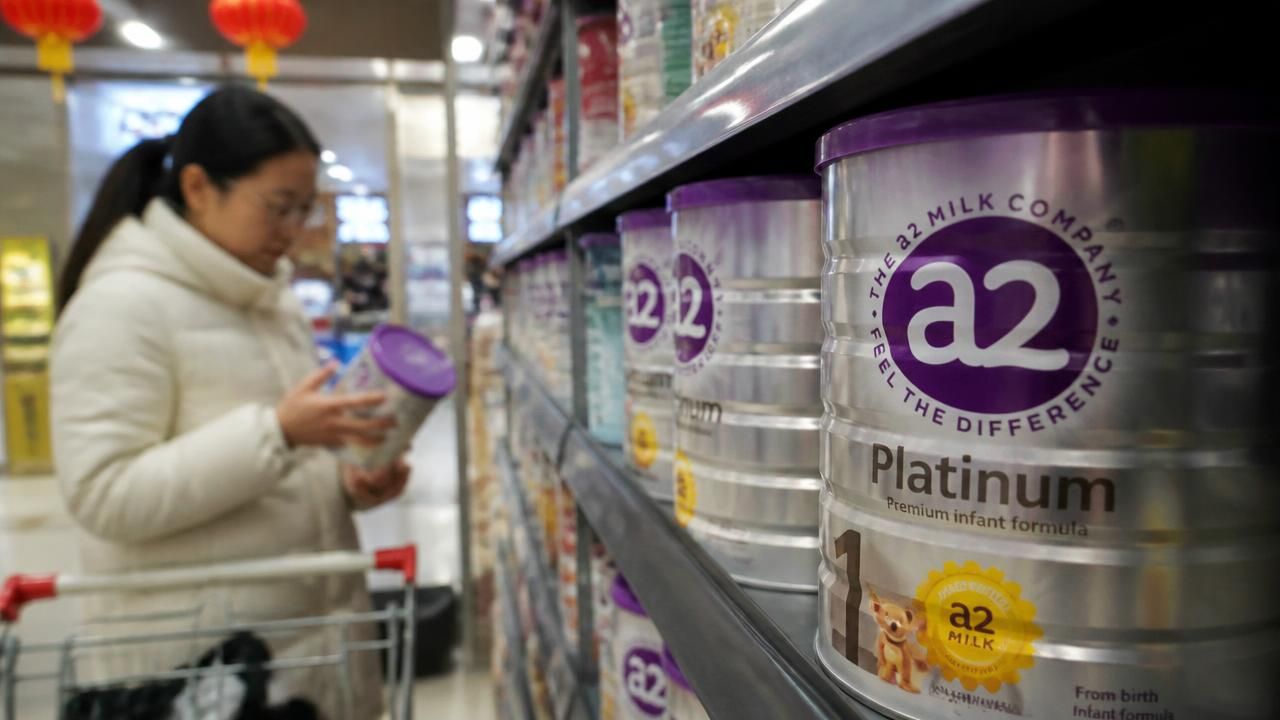
New Zealand's a2 Milk Company is navigating one of its most turbulent periods in years, as supply chain disruptions in its crucial China market have slashed profits by 44% and forced the company to lower its FY26 guidance. The company, which built its reputation on dairy products containing only the A2 beta-casein protein, is now warning that recovery will be gradual, with margins expected to remain soft in the first half of the fiscal year.
A China-Centric Growth Story Hits a Snag
a2 Milk has long been a darling of the infant formula industry, particularly in China, where demand for premium, trust-based dairy products has soared. The company's flagship product, a2 Platinum infant formula, became a status symbol for middle-class Chinese parents, driving exponential revenue growth over the past decade. However, that reliance on a single market has now become a double-edged sword. Earlier this year, supply chain bottlenecks—exacerbated by logistics disruptions and regulatory adjustments—led to significant product shortages on Chinese shelves. Consumers, unable to find their preferred formula, turned to competitors or alternative brands, hitting a2 Milk's sales hard.
Profit Plunge and Guidance Cut
The financial impact has been stark. In its latest earnings release, a2 Milk reported a 44% drop in net profit, a figure that sent shares tumbling and rattled investor confidence. The company has also revised its FY26 guidance downward, acknowledging that the road to recovery will be longer than initially anticipated. According to Bloomberg, management expects only a gradual rebound from the supply chain issues, signaling that earnings margins will remain under pressure in the six months through December.
Key financial highlights from the report:
- Net profit fell 44% compared to the prior period.
- FY26 revenue and earnings guidance have been lowered due to ongoing supply constraints.
- Margins in the first half of FY26 are expected to be soft as the company works through elevated logistics and production costs.
Management's Cautious Optimism
In a statement accompanying the financial results, a2 Milk CEO David Bortolussi struck a cautious tone, emphasizing that the company is taking steps to stabilize its supply chain but that a full recovery will not happen overnight.
'We expect only a gradual recovery from the supply disruptions experienced in China, and our priority is to rebuild consumer trust and ensure product availability,' Bortolussi said.The company has announced investments in alternative supply routes and closer partnerships with local distributors, but analysts warn that these measures may not be enough to regain lost market share quickly.
Investor Beware: The 'Caveat Emptor' Perspective
BusinessDesk's coverage of a2 Milk's troubles carries a telling headline: 'a2 Milk – caveat emptor reigns.' The Latin phrase 'caveat emptor' (let the buyer beware) is a warning to investors not to take management's optimistic projections at face value. The publication suggests that a2 Milk's problems are not merely logistical but structural. With China's birth rate declining and domestic competitors like Feihe and Beingmate gaining ground, a2's premium pricing strategy may be hitting its limits. Moreover, the supply chain crisis has exposed a lack of resilience in the company's distribution network.
BusinessDesk's analysis points to several red flags that warrant caution:
- Over-reliance on the Chinese market, which accounts for a significant majority of revenue.
- Increased regulatory scrutiny in China's infant formula sector, which could lead to stricter compliance costs.
- Intensifying competition from both local and international brands, including Danone and Nestlé.
- The potential for lasting brand damage if consumers perceive a2 as unreliable.
What This Means for the Dairy Industry and Investors
a2 Milk's struggles are a cautionary tale for the broader New Zealand dairy industry, which has increasingly looked to China as its most lucrative export market. The disruptions highlight the fragility of cross-border supply chains and the risks of concentrating growth in a single geopolitical hotspot. For investors, the message is clear: a2 Milk's once-unassailable growth story has lost its luster. The company's shares have been volatile, and the lowered guidance suggests that the near-term outlook remains cloudy.
Some market analysts, however, see a potential silver lining. The profit drop, while severe, comes from a high base, and a2 Milk still holds a strong brand name in China. If the company can successfully diversify its supply chain and expand into other Asian markets, it could stabilize and eventually resume growth. But the 'caveat emptor' crowd argues that such a recovery is far from guaranteed, especially as Chinese consumers become more savvy and price-sensitive.
Looking Ahead
For now, a2 Milk is focused on damage control. The company says it is working closely with Chinese regulators and partners to ensure compliance and improve supply reliability. It has also pledged to increase transparency in its reporting, a move aimed at rebuilding investor trust.
The next few months will be critical. If the supply chain issues are resolved quickly, a2 Milk could see a modest rebound in the second half of FY26. However, if disruptions persist, the company may be forced to cut guidance further, and the 'caveat emptor' warnings will prove prescient. In a market where trust is everything, a2 Milk must now prove that it can deliver not just premium milk, but also consistent reliability.