Walking is one of the most fundamental human movements, yet as we age, it can become slower, more labored, and more tiring. A growing body of research is shedding light on why this happens—and what we can do to maintain our mobility and independence for decades longer. From stiffening ankles to the untapped power of strength training, yoga, and even dancing, scientists are uncovering the intricate biology of aging and exercise.
At the heart of the matter is a trade-off: as we age, our bodies appear to prioritize stability over efficiency. A study highlighted by Science Daily found that older adults stiffen their ankles more with each step. This reflex helps prevent falls, but it also forces the muscles to work harder while producing less forward motion. The result? Shorter strides, slower walking speed, and faster fatigue. The researchers emphasize that targeted exercises—such as balance training, coordination drills, and lower-leg strengthening—could help older adults retain their natural gait and prolong their ability to move comfortably.
The Biomechanics of Aging: Why Your Gait Changes
The ankle is a key player in walking. When you take a step, your ankle flexes and propels you forward. But in older adults, this joint tends to stiffen. The body does this subconsciously to create a more stable base, particularly if the muscles in the legs have weakened over time. As WUSF explains, the study looks at what keeps us moving as we age, and the findings are clear: the more we stiffen our ankles, the less efficient our walking becomes. Over time, this leads to a slower, more cautious gait—and a higher calorie burn for less output.
“As we age, the body appears to sacrifice walking efficiency in exchange for stability,” the researchers noted.
Experts suggest that this is not a one-way street. By strengthening the muscles around the ankle—particularly the calves and shins—older adults can regain some of that lost efficiency. Simple exercises like heel raises, toe taps, and balancing on one foot can make a significant difference.
The Power of Walking: Step Counts and Surprising Benefits
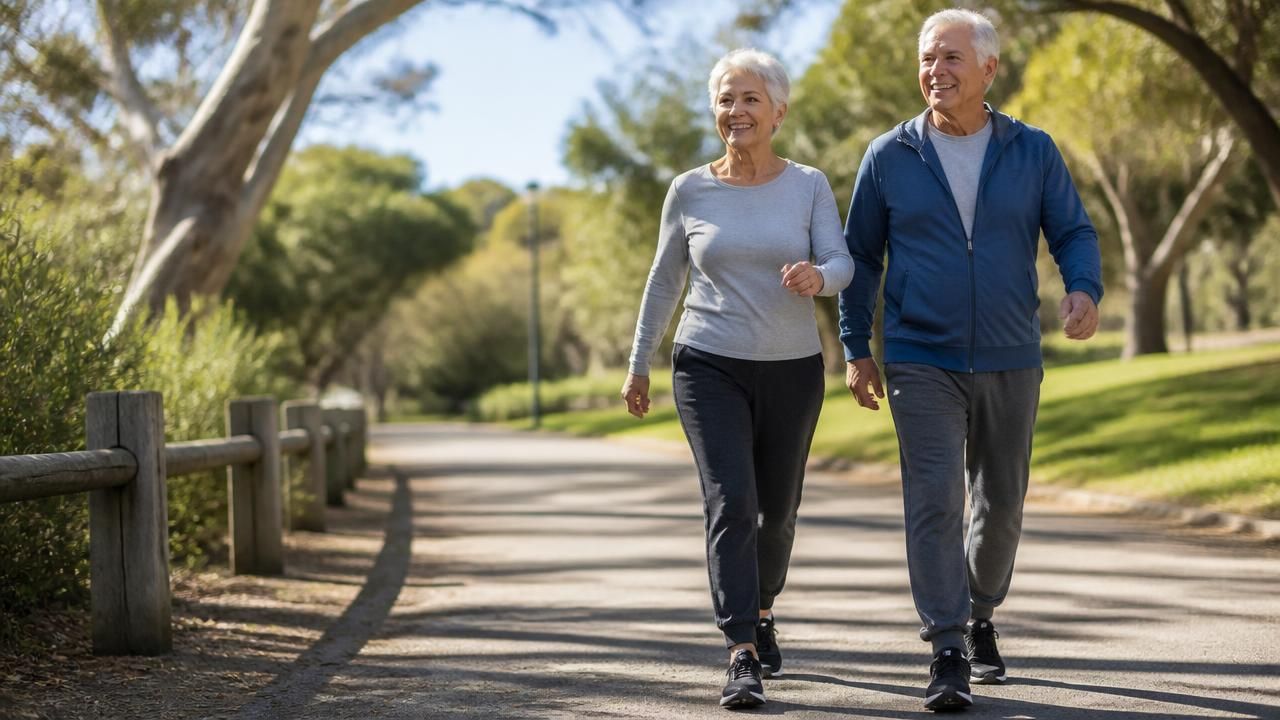
Despite the challenges, walking remains one of the most powerful tools for healthy aging. Prevention magazine reported on a study that found that walking 8,000 steps a day is associated with a significantly lower risk of dying from cardiovascular disease and other causes. This number is lower than the often-cited 10,000, making it a more attainable goal for many older adults. Quartz outlined 15 reasons walking is more effective than you think, including its ability to improve mood, boost creativity, and reduce the risk of chronic conditions like dementia.
Science Daily also reported that just 30 minutes of exercise per week—which can easily be done through walking—can transform your health. This is encouraging news for those who feel overwhelmed by the prospect of hitting the gym for hours. Walking briskly for 15 minutes, twice a week, is enough to lower the risk of premature death by a notable margin, according to the study.
Strength Training, Yoga, and High-Intensity Exercise: What Works?
Walking is not the only option. In fact, researchers are discovering that other forms of exercise may offer unique benefits for older adults. The Independent reported on a study that identified the best exercise for reducing body fat in elderly people: strength training. Lifting weights or using resistance bands helps build muscle mass, which in turn increases metabolic rate and burns fat more efficiently. The NIH's National Institute on Aging also emphasizes the importance of strength training for building healthier bodies as we age, noting that it can improve bone density, balance, and overall function.
For those over 60, Futura-Sciences reported that yoga may be especially beneficial—even more so than walking. Yoga combines flexibility, balance, and strength in a way that directly counteracts the stiffening and muscle loss associated with aging. It also reduces stress, which can have a protective effect on cellular aging.
For the more adventurous, high-intensity interval training (HIIT) offers surprising results. Woman & Home highlighted a study showing that just one minute of vigorous exercise—such as stair climbing—could be “six times better” for heart health than walking. Men's Health also featured the stair climb test: being able to climb 10 flights of stairs without stopping is a gold standard for fitness. This simple measure can reveal a lot about cardiovascular health and leg strength.
The Genetics of Aging: Why Some People Stay Young Longer
Aging is not just about how we feel; it's also written in our genes. A study covered by Science Daily identified 400 genes that influence the rate of aging. Some people are genetically predisposed to age faster, while others have genes that protect them. This helps explain why some 80-year-olds are still running marathons while others struggle to get out of a chair.
Interestingly, lifestyle can override some of these genetic effects. BBC reported on the Tsimane people in the Amazon, who have some of the slowest aging rates ever recorded. Their active, hunter-gatherer lifestyle and relatively low levels of chronic inflammation contribute to their exceptional cardiovascular health. Similarly, Science Focus revealed a study that compared aging rates across countries, finding that some nations age more slowly than others—likely due to diet, health care, and physical activity.
Measuring Your Fitness and Biological Age
So how do you know where you stand? National Geographic outlined several science-based ways to measure fitness, from heart rate recovery to the ability to carry a loaded backpack. Science Focus offered five simple ways to determine your “bio-age,” including tests for balance, grip strength, and flexibility. The stair climb test mentioned earlier is another quick and reliable indicator.
Even the most exhausting decade of life has been pinpointed: Daily Mail (via its headline) reported that scientists have identified the decade when energy levels plummet most—often the 50s. But this is not inevitable; focusing on recovery and rest can mitigate the decline.
Rest, Recovery, and Mental Health
Exercise is only half the story. UC Health reminds us that rest and recovery are critical for athletes of all ages, especially older adults. Muscles need time to repair, and sleep is essential for cognitive health and immune function.
And the mental health benefits of movement cannot be overstated. National Geographic reported that dancing can be more powerful than antidepressants for many people—combining cardiovascular exercise, social interaction, and mental engagement. It reduces stress hormones and boosts endorphins, often with the same or better results than medication for mild to moderate depression.
The Takeaway
Aging doesn't have to mean losing your ability to walk, climb, or move freely. The science is clear: a varied exercise regimen that includes walking, strength training, yoga or flexibility work, and occasional high-intensity efforts can help you maintain your independence and vitality. Pay attention to your body, invest in balance and leg strength, and don't forget to rest. Whether you're climbing ten flights of stairs or dancing in your living room, every step counts.
As the researchers on walking and aging put it, the key is to keep moving—and to train not just your endurance, but your stability and power too. With the right approach, you can turn back the clock on your gait and your overall health.