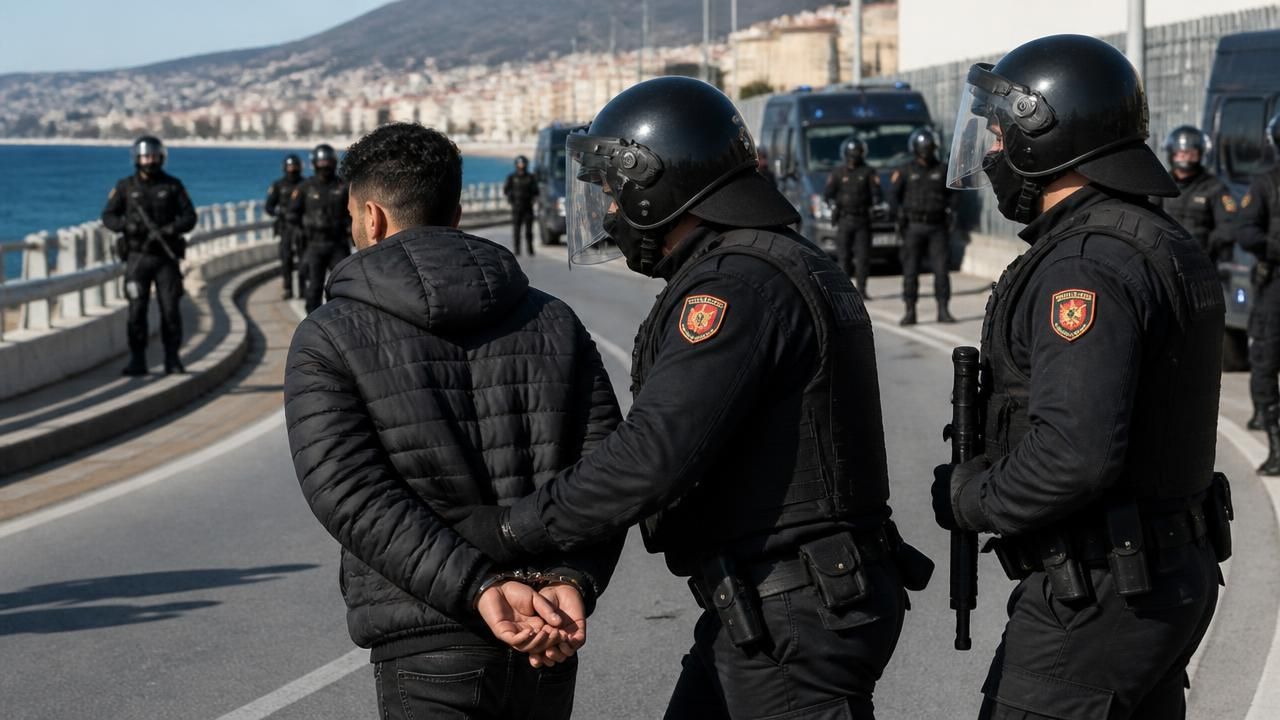
Moroccan police have arrested 111 people attempting to enter the Spanish enclave of Ceuta, thwarting what social media calls had hoped would be a second mass crossing just two weeks after a record surge of migrants overwhelmed the border. The detentions took place on Saturday, according to multiple reports, as Moroccan authorities mobilized hundreds of police officers and eight naval vessels along the coastline in a show of force.
The operation was a direct response to viral social media posts urging another surge across the border, echoing the chaotic scenes of mid-May when thousands of migrants swam or scaled the fences into Ceuta. The Times of London described the response as a "show of strength" aimed at deterring further attempts, while Reuters and other agencies confirmed the arrests.
The May Crisis and Its Aftermath
The earlier mass crossing, which the Guardian reported had seen "tens of thousands" attempt the journey, left at least 57 dead, according to official counts, while other reports put the death toll at 96. More than 6,000 migrants actually reached Ceuta, overwhelming emergency services and sparking a diplomatic rift between Spain and Morocco.
The influx triggered intense debate across the European Union about border security and migration policies. Far-right leaders from across the continent used the images of migrants walking through the streets of Ceuta to push for stricter border measures. The Spanish government, already struggling to manage the influx, faced criticism over its handling of the crisis.
The Security Operation
This time, the response was markedly different. Morocco deployed a considerable naval and police presence to intercept migrants before they could reach Spanish territory. According to reports, eight naval vessels patrolled the coastal waters, while hundreds of police officers secured known access points. By the end of the day, 111 people had been detained, according to the Moroccan authorities.
The Spanish side also reinforced its border positions, with Guardia Civil officers on alert to prevent any incursions. The operation was successful in preventing a re-run of the May surge, though officials remained on high alert.
A Broader Security Push
The arrests are part of a wider pattern of Moroccan security enforcement. In recent days, Moroccan authorities have also:
- Arrested a British fugitive, with the UK's National Crime Agency praising Moroccan security forces for their cooperation.
- Seized over 4 tons of hashish at Tanger Med port.
- Confiscated more than 21,000 psychotropic pills hidden in children's toys at the same port.
These actions underscore the complexity of Morocco's role in regional security. While it is a key partner for Europe in combating irregular migration and drug smuggling, it also faces criticism for using migration as a political tool.
Domestic Pressures and Migration Drivers
The security operation takes place against a backdrop of domestic tensions. In the north, Moroccan police fired tear gas to disperse protests. A growing Gen Z movement has been vocal about the country's lack of public services, with protesters at one rally making the pointed remark:
"We need hospitals more than football stadiums."These domestic frustrations are among the factors driving migration to Europe.
Media Framing and Divergent Perspectives
The coverage of the arrests illustrates the different ways the story has been told. British media, including The Guardian and the BBC, have tended to emphasize the human cost, recalling the deaths and the plight of migrants. On the other hand, Reuters and other international newswires focused on the security operation itself, highlighting the numbers of arrests and the deployment of naval assets. The Times took a more strategic view, describing the Moroccan action as a "show of strength" designed to restore credibility with its European neighbors.
These differing angles reflect a broader debate: is migration primarily a security issue or a humanitarian one? The answer often depends on where the observer sits.
Looking Ahead
The events in Ceuta have underscored the fragility of the EU's southern border. As long as economic disparities and political instability persist in Africa, migrants will continue to seek a better life in Europe. The question is whether Morocco and Spain can manage the flow humanely and legally. The latest arrests suggest that Morocco is willing to use force to prevent a repeat of the May crisis, but long-term solutions remain elusive.
In the meantime, the people who were arrested face an uncertain future. Some were reportedly returned to southern Morocco, away from the border. Others may be processed for asylum claims. What is clear is that the issue is not going away, and both Europe and Africa must grapple with it together.