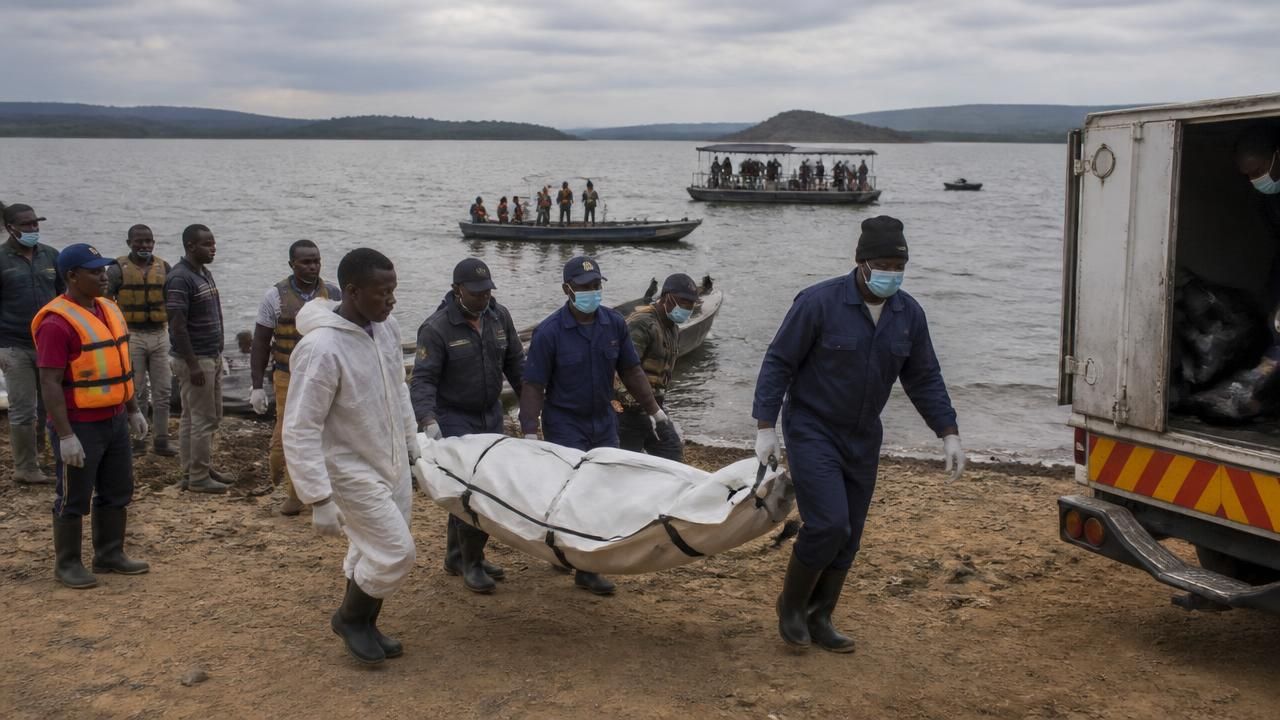
The death toll from a passenger ferry capsizing on Lake Kariba in Zimbabwe rose to 68 on Saturday as 22 more bodies were recovered, police confirmed. The vessel, which went down on Tuesday in heavy winds, was reportedly overloaded, an investigation has suggested. Among the victims are 18 children, according to The Guardian.
The ferry was navigating the vast lake on the border with Zambia when it turned over during a violent storm. Search and rescue teams, including divers and local fishermen, have been combing the waters for survivors and victims. The new recovery brings the official count from 46 to 68, with police spokesman Paul Nyathi stating that the search is ongoing. Local media, including The Herald, reported that the body of a police officer who had drowned in a separate 'mystery boat trip' on the same lake was found after a seven-day search, adding to the nation's grief.
A Deadly Week on the World's Waterways
The Lake Kariba tragedy is not an isolated event. The same week saw a string of maritime disasters across the globe, highlighting the persistent dangers of water travel—whether for migration, transport, or recreation.
- Niger: At least 29 people died when a boat capsized on the Niger River, according to Legit.ng.
- Nigeria: More than 100 people went missing and were feared dead after a boat sank in the north of the country, reported New Zimbabwe.
- Thailand: 27 bodies were recovered and two people remained missing after a tour boat crash in central Thailand, according to China Daily.
- Aegean Sea: Over 20 people died in two separate incidents off the coasts of Greece and Turkey, with migrants among the victims, reported InfoMigrants.
- Tunisia: 27 people died and 83 were rescued in a shipwreck off the Tunisian coast.
- Libya: More bodies of presumed migrants washed up on Libyan beaches.
- Spain: A cruise ship recovered five bodies believed to be migrants off Spain's coast.
- Lake Erie, USA: Bodies of three missing people, including two young brothers, were recovered in a separate incident.
Framing the Tragedy
International wire services, such as Reuters, focused narrowly on the climbing death toll and the official investigation. The Guardian emphasized the number of children killed, underscoring the human cost. In contrast, Zimbabwean outlets like The Herald and iHarare highlighted the recovery of the police officer's body, a detail that resonates locally. Meanwhile, InfoMigrants used the Mediterranean tragedies to draw attention to the ongoing migrant crisis, noting that the Aegean, Tunisian, and Libyan waters have become graveyards for those seeking a better life in Europe.
Underlying Causes and Wider Implications
The Kariba disaster points to familiar factors in maritime accidents across the developing world: overloading, inadequate safety equipment, and severe weather. The ferry was reportedly carrying far more passengers than it was designed for, and no life jackets were available for all on board. Similar issues plague migrant boats in the Mediterranean, which are often heavily overloaded and unseaworthy. Experts have long called for stricter enforcement of safety regulations and better emergency response mechanisms, but these rivers and lakes remain lifelines for communities with few alternatives.
“An investigation has suggested it was overloaded when it turned over during heavy winds,” police told The Guardian.
As search operations continue on Lake Kariba, families await news of missing loved ones. The government of Zimbabwe has pledged a full inquiry, but for many, the loss is already too deep. These back-to-back tragedies serve as a grim reminder that for millions of people, travel by water is not a luxury—it is a daily necessity that too often turns fatal.