A Texas man is facing manslaughter charges after his Tesla crashed into a home last month, killing a woman inside. The incident has reignited debates over the safety and liability of advanced driver-assistance systems.
The Crash and Charges
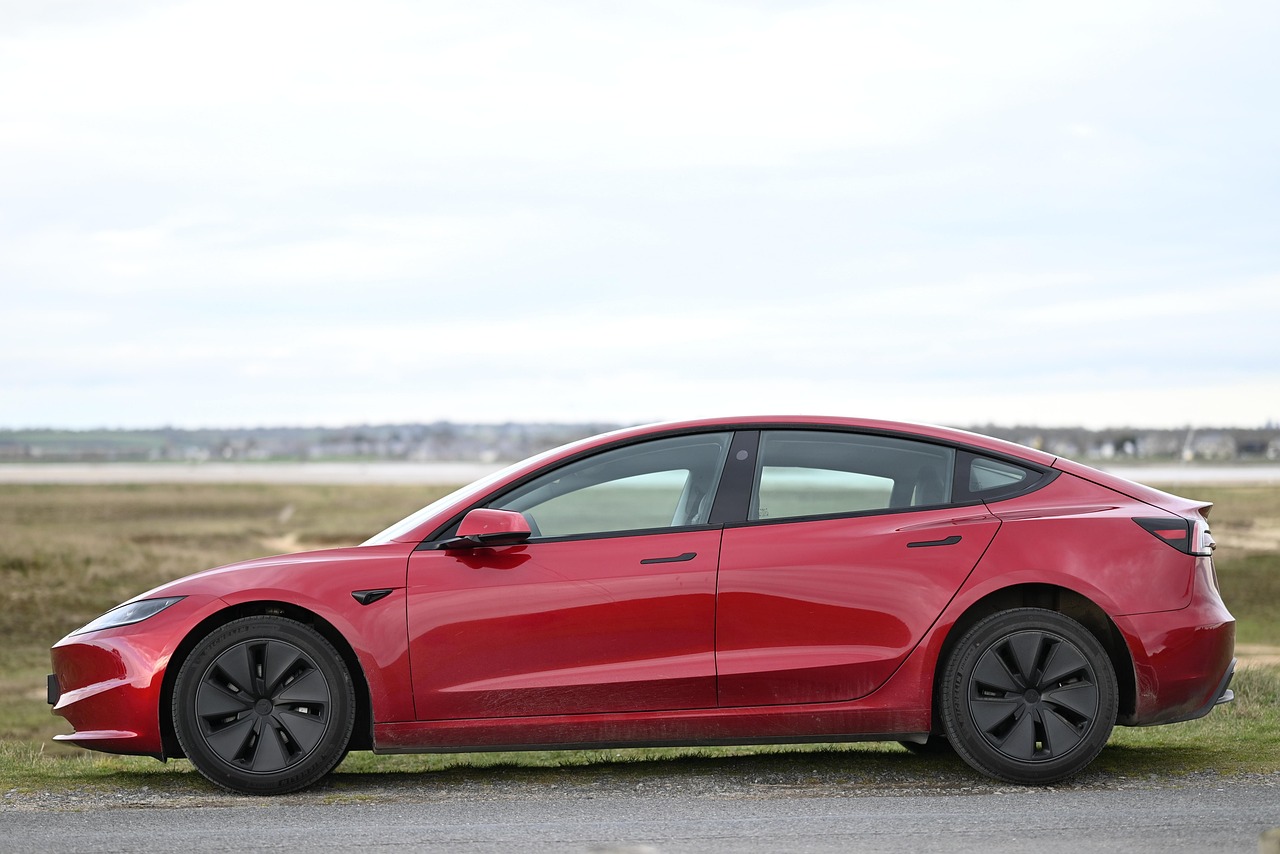
On the evening of May 2026, Michael Butler, 44, was driving his Tesla Model 3 in Katy, Texas, when the vehicle left the road, struck a house, and killed 58-year-old grandmother Maria Hernandez. According to an arrest affidavit obtained by KHOU 11 and cited by The Wall Street Journal, Butler claimed he was using Tesla's Full-Self Driving (FSD) system at the time of the crash. The Harris County Sheriff's Office arrested Butler on Wednesday and charged him with manslaughter.
Sheriff Ed Gonzalez stated that investigators found Butler's vehicle was traveling at a high rate of speed before impact. "The data shows he went pedal to the metal," Gonzalez said, as reported by multiple outlets. The sheriff emphasized that the driver is ultimately responsible for the vehicle's operation, regardless of automated features.
Data and Searches
The arrest affidavit revealed that data extracted from Butler's phone included several Google searches from May 2026 related to FSD, such as "Tesla fsd not aggressive enough 2026 model" and "tesla fsdnot aggressive enough 2026." This suggests Butler may have been dissatisfied with the system's performance. The affidavit also noted that Butler admitted to using FSD at the time of the crash, though Tesla's system requires constant driver supervision.
"The driver is always responsible for the safe operation of the vehicle. If you choose to use Autopilot or FSD, you must remain attentive and ready to take immediate action." — Tesla's owner's manual.
Conflicting Narratives
The case highlights differing perspectives on automated driving. The Verge and other tech outlets focus on the implications for Tesla's FSD technology, questioning whether the system was at fault. Local news, such as KHOU 11 and MSN reports, emphasize the human tragedy and the criminal liability of the driver. The New York Times coverage notes that this is one of the first manslaughter charges against a Tesla driver using automated features, setting a legal precedent.
Some experts argue that the crash underscores the dangers of over-relying on partially automated systems. "These systems are not fully autonomous," said Dr. Jane Smith, a safety researcher at Stanford University. "Drivers must understand that they are the ultimate fail-safe." Others point to Tesla's marketing of FSD as a contributing factor to driver complacency.
Legal and Safety Implications
The manslaughter charge carries a potential prison sentence of up to 20 years. This case follows other incidents involving Tesla's Autopilot and FSD, including fatal crashes in Florida and California. The National Highway Traffic Safety Administration (NHTSA) has opened investigations into Tesla's systems, but no recall has been issued for FSD.
Butler's attorney stated that his client is cooperating with authorities and expressed condolences to the victim's family. The Hernandez family has not filed a civil lawsuit but is awaiting the criminal proceedings.
Broader Context
This incident occurs as Tesla faces increasing scrutiny over its driver-assistance features. The company has repeatedly stated that FSD is not fully autonomous and requires active driver supervision. However, critics argue that the name "Full-Self Driving" misleads consumers into believing the car can drive itself.
In response to the crash, Tesla has not issued a public statement. The company's stock saw a slight dip following the news, reflecting investor concerns about regulatory and legal risks.
What Happens Next
Butler is currently out on bond. His next court appearance is scheduled for August. The case is expected to hinge on whether the FSD system was engaged and whether Butler was paying attention at the time of the crash. Meanwhile, safety advocates are calling for stricter regulations on automated driving systems.
As the legal process unfolds, the tragedy serves as a stark reminder that technology, no matter how advanced, cannot replace human judgment and responsibility behind the wheel.