The United States and Iran have entered a dangerous new phase of open conflict, marked by the reported death of Iran's Supreme Leader in U.S.-Israeli strikes, a resumption of Iranian missile attacks, and a widening maritime confrontation in the Gulf. While a fragile ceasefire has been declared, its durability is already being questioned as both sides continue to probe each other's defenses and adapt to a rapidly changing battlefield.
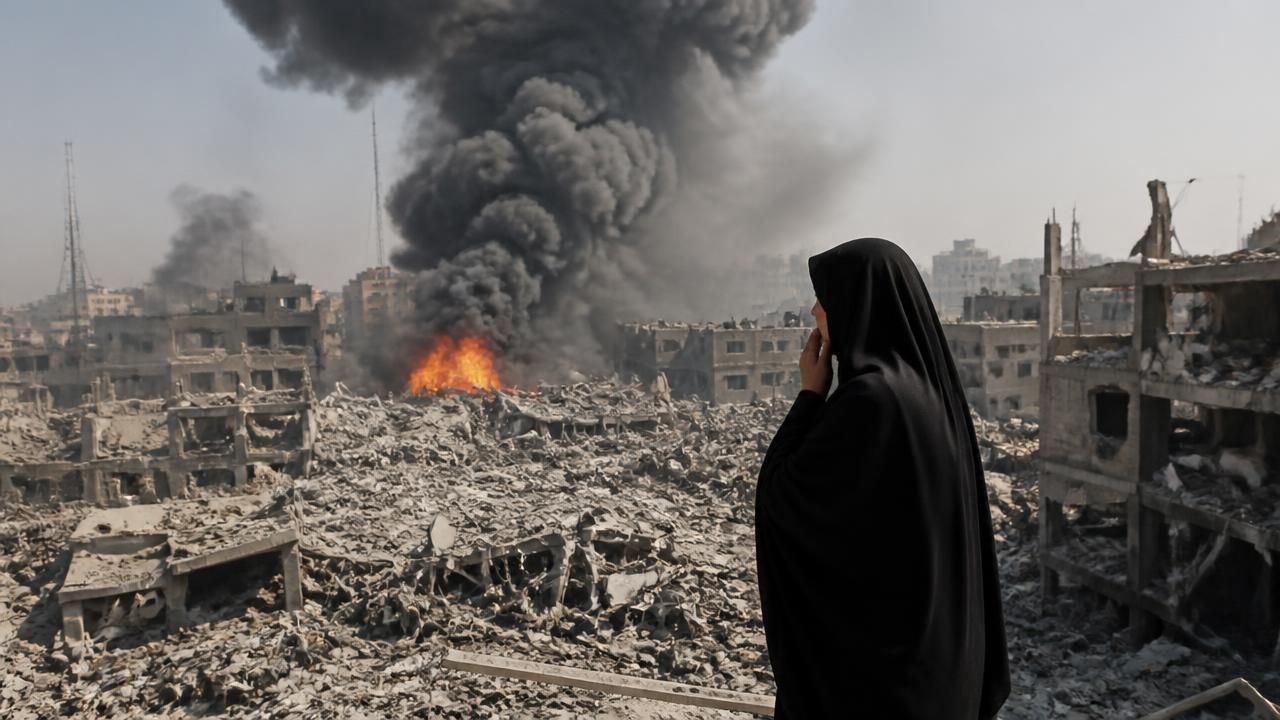
According to multiple reports, Israel has begun a "broad wave of strikes" on Iran's infrastructure, while the U.S. has launched strikes alongside Saudi Arabia against Iranian-backed militias in Iraq. The Pentagon said it thwarted an Iranian missile attack that ended a brief pause in fighting, and U.S. forces struck a ship in the Gulf of Oman after a Houthi vessel attack killed four crew members and two allied fighters. The escalating violence has prompted urgent warnings from analysts that the conflict may become a protracted war with no clear exit.
Assassination and Retaliation
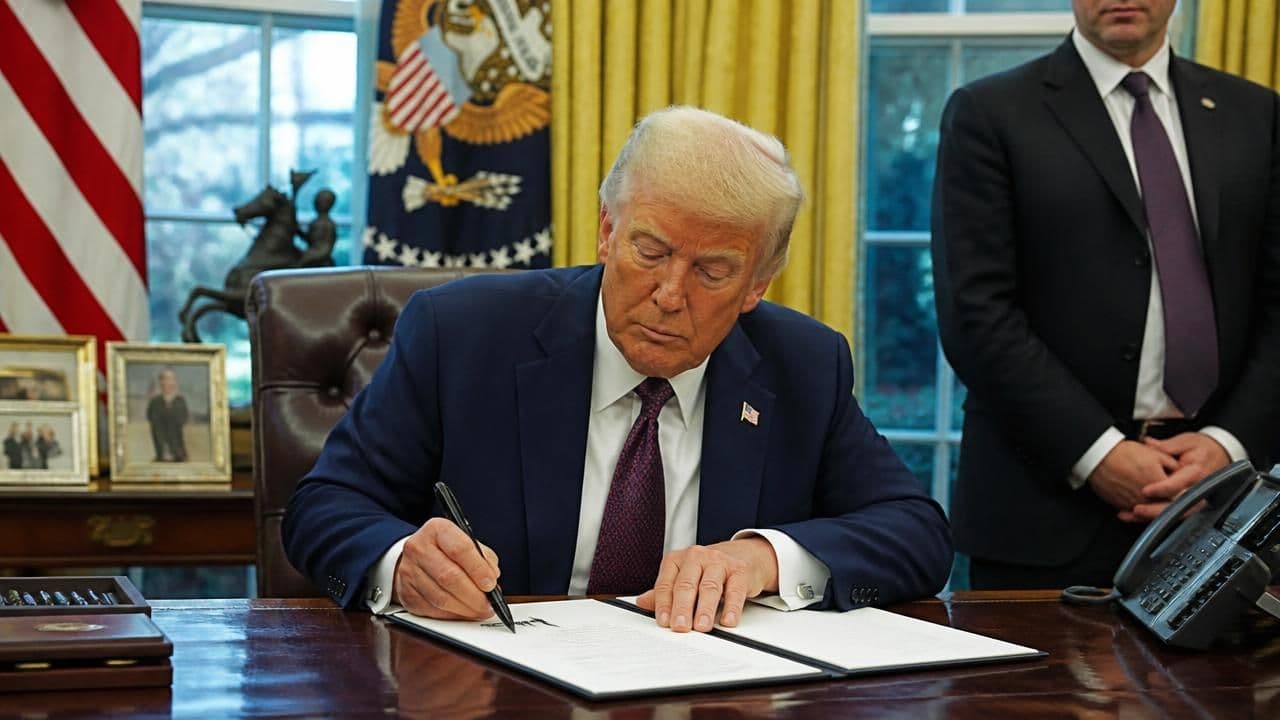
The most dramatic development came when Iran announced that its Supreme Leader had been killed in the joint U.S.-Israeli strikes. President Trump cheered the death and declared that strikes would continue, while also proclaiming that the nuclear deal with Iran is "over." The remark sent oil prices jumping on fears of supply disruptions, and safe-haven assets like gold have seen a rush of investment as investors seek refuge from the volatility.
The assassination marks a severe escalation, even by the standards of the long-running shadow war between the two nations. Iran's response has been swift: a missile attack aimed at U.S. forces was thwarted, but Tehran's willingness to strike back highlights the high-risk strategy it is pursuing. The Wall Street Journal described Iran's approach as a "no-limits Middle East war," noting that Iran appears willing to expand the conflict geographically to inflict costs on the U.S. and its allies.
"Repeated pauses could allow both sides to adapt and rearm, potentially expanding the conflict geographically and making direct US-Iran talks necessary for a durable settlement," said Becca Wasser, Defense Lead at Bloomberg Economics.
A Cycle of Violence
The current escalation follows a brief pause in fighting, which the U.S. says was broken by an Iranian missile attack. CNN reported that Iran chose to restart the fight after the U.S. stopped firing, a pattern that has repeated throughout the conflict. The New York Times similarly described the two nations as "sinking into a violent cycle" after the latest strikes. This dynamic—where each side pauses only to rearm and strike again—has raised fears of a never-ending confrontation.
Experts point to shifting U.S. objectives and the inability of either side to secure a decisive military victory as key reasons why a lasting resolution remains elusive. The conflict is also being complicated by existing regional wars. The Crisis Group notes that the escalation must be understood amid the ongoing Gaza conflict, which has already drawn in Iran-backed proxies across the Middle East.
Maritime and Economic Frontlines
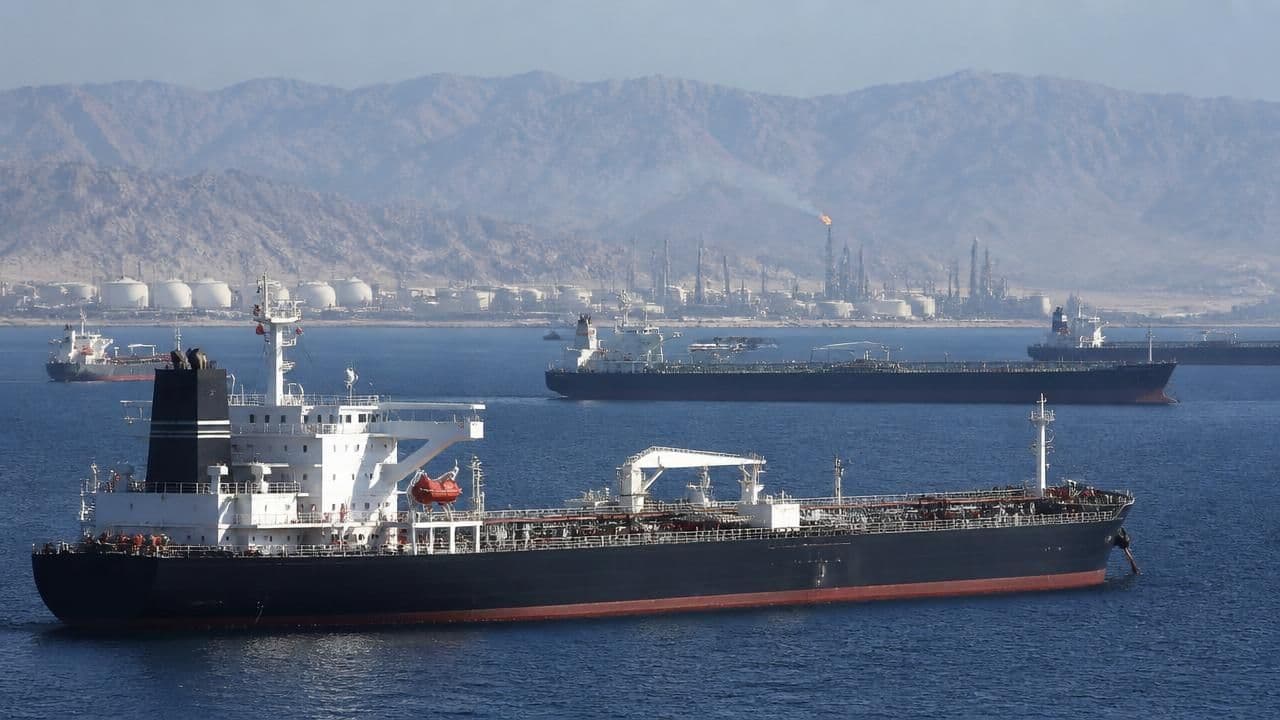
The war has extended to the seas, with Houthi attacks on vessels and U.S. strikes in the Gulf of Oman. A blockade of Iranian ports imposed by the Trump administration risks further escalation, as Japan Times warned, by strangling Iran's economy and leaving Tehran with little to lose. Meanwhile, the economic ripple effects are being felt globally: oil prices surged after President Trump declared the Iran deal over, and analysts are tracking the impact on cryptocurrency markets like XRP, which saw volatility driven by war risk versus ETF demand.
Regional and Global Reactions
Gulf states are weighing their offensive options against Iran, according to the International Institute for Strategic Studies, as the conflict threatens to engulf the region. Israel, a key U.S. ally, has been actively coordinating strikes, while its own security calculus grows more complex. In the U.S., a pro-Israel advocacy group, J Street, has come out against the war, stating that as supporters of Israel they cannot support a conflict that endangers both nations. In China, state media outlets have framed the situation as "Armageddon politics," criticizing the U.S. for reckless escalation.
The uneasy ceasefire that has been established is seen by many as a temporary measure rather than a solution. Questions about long-term stability abound, with critics arguing that without direct negotiations, the conflict will continue to simmer and erupt. As Bloomberg's Wasser noted, "direct US-Iran talks are necessary for a durable settlement." Yet with both sides seemingly committed to military pressure, diplomacy appears distant.
The Road Ahead
The coming weeks will be critical. The U.S. has deployed aircraft carriers and fighter jets in preparation for further strikes, and Israel is watching closely. Iran, despite the loss of its Supreme Leader, has signaled it will not back down. The conflict has already claimed lives, disrupted energy markets, and destabilized the Gulf. The question now is whether the ceasefire can hold—or whether the world is witnessing the beginning of a wider, no-limits war that no one can win.