Robot vacuums have evolved from simple bump-and-run devices to sophisticated cleaning companions with AI, LIDAR, and now even gesture recognition. On August 13, 2025, Matic—a startup that has won over critics with its WALL-E-like design—rolled out a major update called Matic Cues, enabling users to control the robot by pointing at a mess or speaking directly to it. The feature arrives just ahead of a planned price increase, and it has reignited conversations about the future of home cleaning technology.
Matic Cues: Point, Speak, and Clean
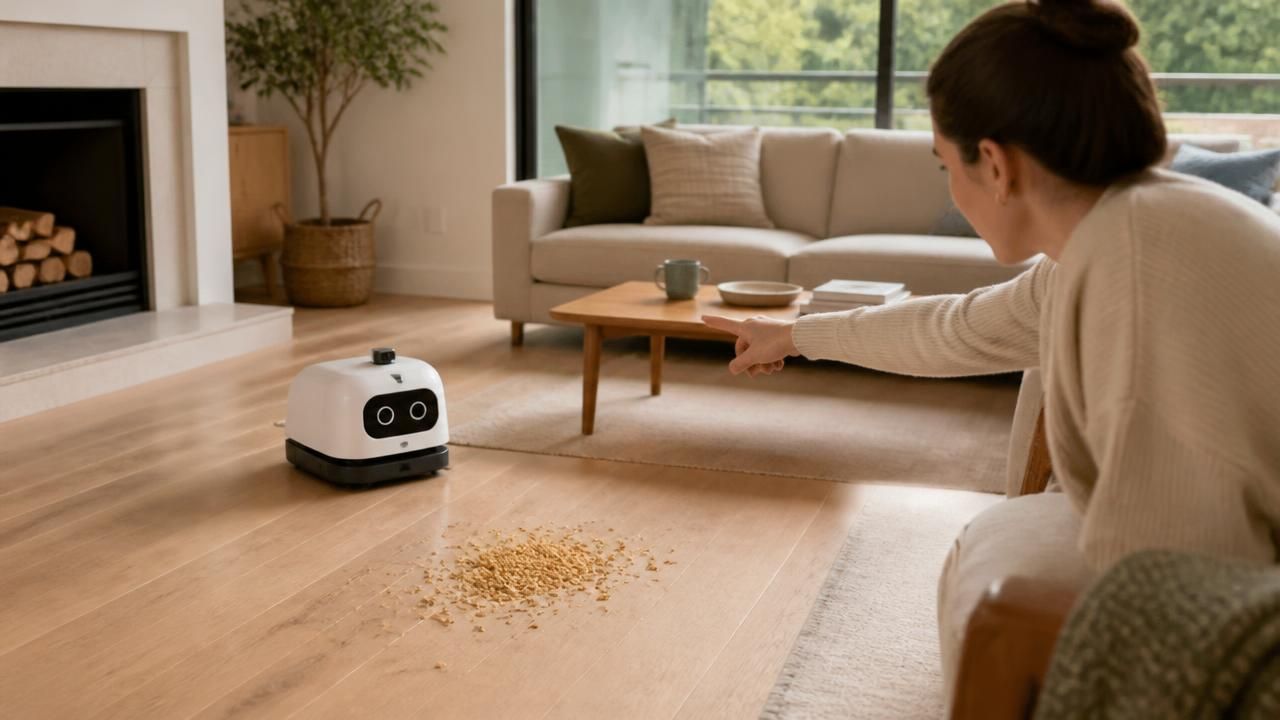
Matic, already lauded as a favorite by outlets like The Verge, introduced Matic Cues as a free over-the-air update. The feature is accessible in the Matic app under Settings > Matic Cues. Users can now point at a specific spill or cluttered area, and the robot will navigate to that spot and clean it. Alternatively, they can issue voice commands directly to the vacuum, bypassing the need for a separate smart speaker.
Jennifer Pattison Tuohy of The Verge, who has been testing Matic Cues, reports that it works surprisingly well. In her hands-on, the gesture control accurately targeted the mess she indicated, and the voice assistant responded promptly. This hands-free approach is a natural step forward for robot vacuums, making them more accessible to people who might not want to fiddle with app controls or schedule routines.
“Now, you can talk directly to your vacuum to tell it what you want it to do, or just point at a mess to have it spot-clean.” — The Verge
The timing is strategic: Matic's price will jump from $1,245 to $1,495 on September 9, 2025. Early adopters can lock in the previous price before the hike, a common tactic for hardware startups as they scale production and add features.
Why Robot Vacuums Are Dominating the Market
Matic's update comes at a time when robot vacuums are becoming the centerpiece of the smart home. A wave of editor-tested reviews from major publications illustrates just how far these devices have come. Popular Mechanics recently tested eight models and crowned Roborock as the overall champion, but noted that several other models—including Matic—are worth serious consideration. Mashable's review of the Narwal Flow 2 praised its AI mess detection as “the most spot-on” the reviewer had ever seen, highlighting the rapid improvements in computer vision and object recognition.
TechRadar’s experts have focused on pet hair, a key pain point for many households. Their testing shows that modern robot vacuums equipped with rubber brush rolls and strong suction can handle fur better than ever, but they recommend models with self-emptying bases for multi-pet homes. These insights are echoed by NY Post’s comprehensive roundup of 13 vacuums, which includes both robot and traditional models. For those who prefer a more manual approach, TechGear Lab’s testing of upright vacuums and Expert Reviews’ AEG Ergorapido 2-in-1 review remind us that stick vacuums still have a place, especially for quick pickups.
The Evolution of Robot Vacuum Tech
The idea of a self-navigating vacuum is not new. Ars Technica’s 2016 review of the Neato Botvac Connected introduced many to LIDAR-based mapping, which allowed the robot to “know” the layout of a room. Today, LIDAR is standard on high-end models, but the frontier has shifted to AI and voice control. Matic Cues is a prime example: instead of merely cleaning a predefined zone, the robot can interpret a human’s natural gesture—a point, a wave, or a verbal command—and act on it. This moves the robot from a scheduled appliance to an interactive helper.
Industry analysts see this as part of a broader trend toward ambient computing, where devices respond to our presence and intentions without explicit programming. The integration of on-device microphones and cameras also raises privacy questions, though Matic has stated that all processing for Cues is done locally, with no cloud storage of imagery.
Maintenance: Why Your Robot Vacuum Might ‘Suck’ Now
Even the best robot vacuum can underperform if neglected. A popular MSN piece titled “Why does my robot vacuum suck now?” addresses a common complaint: the machine that once cleaned brilliantly gradually loses suction. The answer, writes the author, is simple: you haven’t cleaned the vacuum itself. Filters clog, brushes get wrapped in hair, and sensors get dusty. The article advises regular maintenance—emptying the bin, cleaning the filter, and untangling the brush—to keep performance at its peak.
Another MSN guide, written by a tester who reviews vacuums monthly, offers tips on what to look for when buying. Key features include mapping, suction power, battery life, and whether the robot can handle multiple floor types. The guide also notes that cheaper models can be just as effective if you don’t need smart features.
Expert Perspectives and the Bottom Line
The consensus among reviewers is that robot vacuums are now reliable enough to replace manual vacuuming for most maintenance cleaning. Matic’s gesture control is a novel differentiator, but it’s not the only innovation worth noting. Roborock, Narwal, and other brands are pushing the envelope with AI-driven mess detection, auto-mop lifting, and self-cleaning docks.
“Roborock Reigns Supreme for Robot Vacuums—But These Other Editor-Tested Models Are Worth a Look.” — Popular Mechanics
For pet owners, the TechRadar experts recommend looking for strong suction, tangle-free brushes, and a large dustbin. For allergy sufferers, a HEPA filter is essential. And for tech enthusiasts, integration with Alexa, Google Home, and now direct voice control is a must.
The market is also becoming more accessible. While Matic sits at the premium end, budget-friendly options from Xiaomi and Eufy offer many of the same features at a fraction of the cost. However, the old adage “you get what you pay for” still applies: cheaper robots often lack robust navigation, so they may miss spots or bump into furniture.
The Future of Home Cleaning
Matic’s Cues update is a glimpse into a future where our appliances understand us without us having to learn their interfaces. The company’s decision to roll out the feature for free, rather than reserving it for a new model, is a customer-friendly move that could pressure competitors to accelerate their own software development.
But as with all technology, there are trade-offs. The price hike on September 9 might deter some buyers, but those who already own a Matic get a meaningful upgrade at no cost. And for new buyers, the $1,495 price tag positions Matic squarely against the best from Roborock and Narwal, which often include more mature ecosystems and proven track records.
Ultimately, the best vacuum is the one that fits your home, budget, and cleaning habits. Whether you opt for a gesture-controlled robot, a pet-hair specialist, or a classic upright, the experts agree that modern vacuums are more capable than ever. As the Matic Cues rollout demonstrates, the next generation of cleaning robots will be defined not just by how well they suck up dirt, but by how naturally they respond to the people they serve.