The past week has been a rollercoaster for global financial markets, with Wall Street careening between historic highs and sharp pullbacks as investors juggled a dense calendar of economic data, a pivotal earnings report from AI bellwether Nvidia, and shifting geopolitical risks. From record-setting rallies to sudden tumbles, the market narrative has been dictated by a fragile interplay between interest-rate expectations, tech megacap performance, and headlines out of the Middle East and Washington.
A Whiplash Week on Wall Street
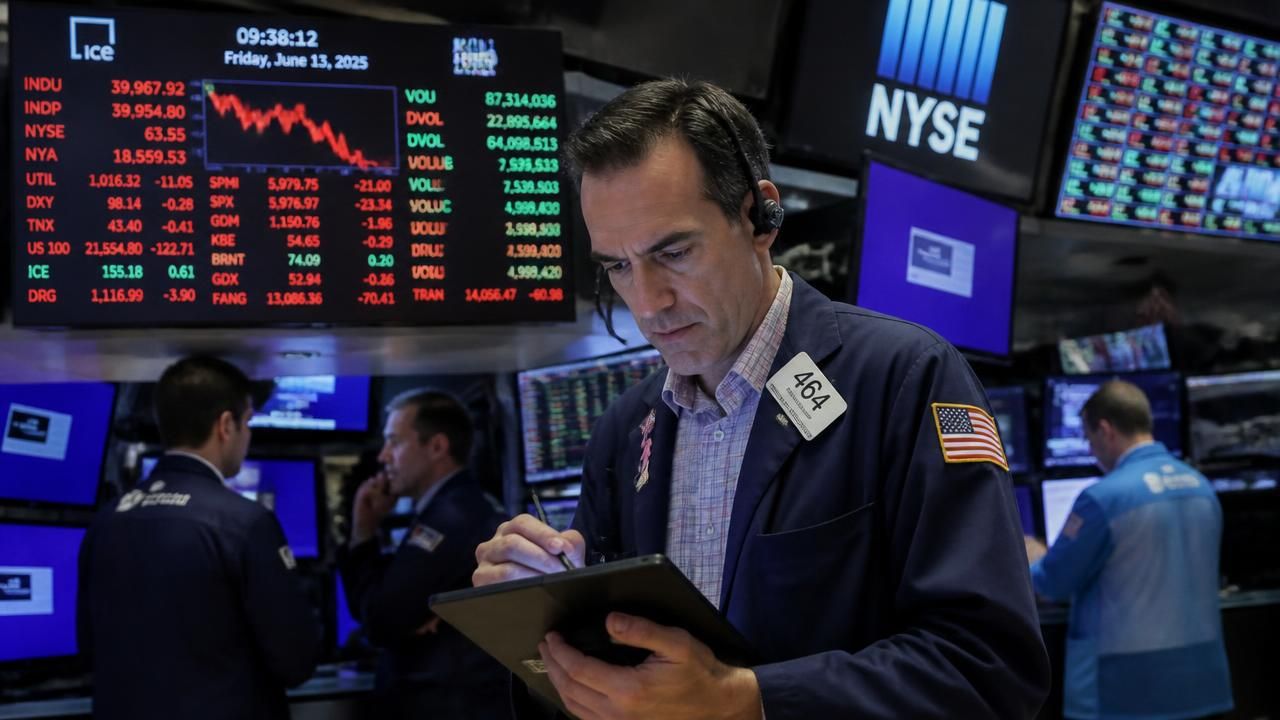
US equities delivered a dizzying series of swings. The Dow Jones Industrial Average jumped to a record closing high after soft US jobs data, while the Nasdaq fell as chip shares slumped, according to Reuters. In a separate session, Wall Street hit new closing highs on tech strength and hopes for a Middle East deal, only to retreat the next day as economic worries mounted. Bloomberg reported that the S&P 500 powered a historic weekly run on US-Iran bets, as traders weighed the possibility of de-escalation in the region.
The divergent moves underscored the market’s sensitivity to two forces: the trajectory of Federal Reserve policy and the fate of the megacap technology trade. On one day, optimism over soft jobs data fueled speculation that the Fed would cut rates, propelling the Dow to a record. On the next, Nvidia’s slide dragged the broader market down as investors fretted that the central bank might slow the pace of easing. As Reuters put it in a headline:
“Wall Street tumbles as Nvidia slides, investors fret that Fed may slow rate cuts.”
Tech and the AI Trade
Technology stocks, particularly those tied to artificial intelligence, have been the primary engine of the market’s gains—and its volatility. Some emerging-market stocks rose on a rally in Asian chipmakers, fueled by upbeat results from AI infrastructure firms. In the US, however, chip weakness periodically offset otherwise solid earnings reports. The Nasdaq dropped over 1% in one session as the AI trade took a hit, with oil prices spiking simultaneously, according to Investing.com.
All eyes were on Nvidia’s quarterly earnings, which arrived as the ultimate “show-and-tell” moment for the AI trade. Bloomberg noted that the S&P 500 rose as tech shares advanced ahead of Nvidia’s report, while elsewhere Wall Street paused its record-setting rally as earnings approached. Analysts emphasized that Nvidia’s results have outsized influence on the entire market, given its weight in broad indices and its role as a bellwether for AI spending.
Fed Watch: Data Dependence
Central bank policy remained the dominant undercurrent. Traders closely parsed a series of data points: the Consumer Price Index (CPI), Producer Price Index (PPI), and monthly jobs report. Emerging currencies gained as traders cut back Fed rate-cut bets following PPI data, per Bloomberg. In the US, the dollar extended gains against the yen as investors awaited the jobs report. Gold, meanwhile, was a focus for FXStreet, with XAU/USD forecast tracks pivoting on inflation and Fed expectations.
The market is effectively caught between two scenarios: a Fed that cuts rates to stave off a slowdown, or one that holds steady to avoid reigniting inflation. Investopedia weighed in with a timely analysis: “Should You Invest in Stocks Before the Fed Cuts Interest Rates?”—a question on every investor’s mind as indices hover near all-time highs.
Geopolitics and Oil
Geopolitical headlines added another layer of complexity. Oil prices soared on Iran worries, while US stocks ended muted with earnings and the Fed in focus. Yet hopes for Middle East peace also buoyed sentiment; European stocks rose on earnings optimism as traders weighed Iran proposals, according to KFGO. Bloomberg highlighted that the S&P 500’s historic weekly run was tied to US-Iran bets, suggesting that any diplomatic progress could provide a tailwind for risk assets.
Meanwhile, markets braced for a big week for trade and geopolitics, with US-China summit updates drawing attention. Wall Street rose as traders awaited those summit developments, per Seeking Alpha. A potential thaw in US-China relations could have broad implications for trade-sensitive sectors and emerging markets.
Emerging Markets and Currencies
Emerging-market assets showed a mixed but generally resilient picture. Emerging-market stocks rose, led by a rally in Asian chipmakers, as revived appetite for tech stocks lifted sentiment. Currencies were more cautious, with traders awaiting US inflation data. The New Zealand Dollar held near November lows versus the US dollar ahead of the US PCE price index, a key Fed inflation gauge, FXStreet reported.
The interplay between US yields and emerging-market currencies remains crucial. If the Fed delays cuts, the dollar could strengthen further, pressuring EM assets. Conversely, a dovish pivot could trigger a wave of capital back into higher-yielding markets.
Looking Ahead
As the dust settles, investors are bracing for continued volatility. The key variables remain: Nvidia’s guidance and its ripple effects on the AI trade, upcoming inflation figures, and the Federal Reserve’s policy signal at its next meeting. Geopolitical flashpoints—particularly Iran and US-China relations—could disrupt the current equilibrium at any moment.
The diversity of headlines from major outlets tells its own story. Reuters focused on record highs and chip-driven retreats; Bloomberg emphasized historic weekly runs and emerging-market currency moves. Together, they paint a picture of a market that is incredibly powerful yet fragile, driven by a narrow set of catalysts and vulnerable to sudden shifts in sentiment.
For now, the bull case rests on resilient earnings and disinflation, while the bear case points to overvaluation and geopolitical tail risks. The next few weeks will determine which narrative dominates.