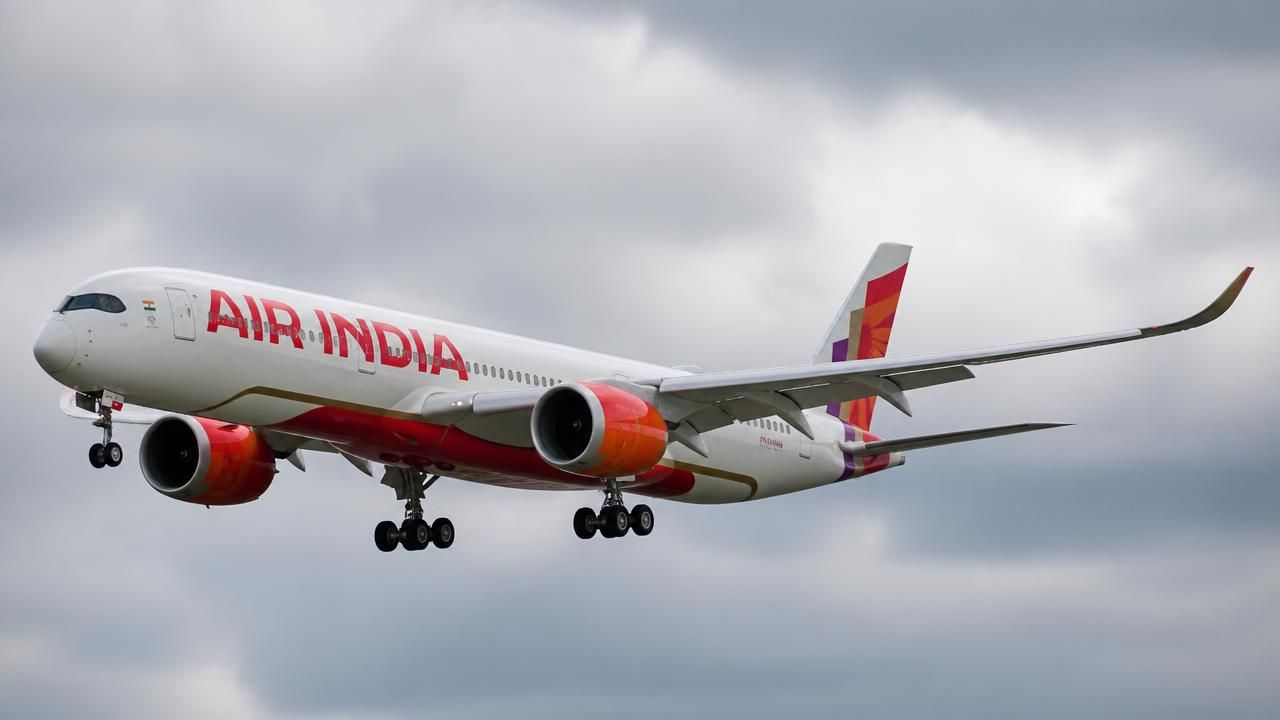
An Air India captain who was at the controls of a Phuket-Delhi flight that suddenly dropped about 300 feet during severe turbulence last week has tested positive for marijuana in a confirmatory drug test, according to multiple people familiar with the matter. The finding throws a harsh spotlight on the airline's safety protocols and has triggered a high-level investigation by India's aviation regulator.
The Incident and the Drug Test
The mid-air incident occurred on flight AI2379 from Phuket, Thailand, to Delhi, when the aircraft reportedly encountered severe turbulence and lost about 300 feet (roughly 90 meters) of altitude in a matter of seconds. Passengers described harrowing scenes, with one telling NDTV, “We thought we’d die,” and another recounting “The worst 2 minutes of my life.” Reports said at least 17 people — including 13 passengers and four crew members — sustained injuries, though some reports put the number higher, at 24.
In the aftermath, the pilot-in-command underwent a preliminary drug screening. Sources told NDTV that the initial test was “not negative,” prompting a second, confirmatory test. Bloomberg reported that the captain “tested positive for illegal drugs in a second screening,” and multiple Indian outlets, including Outlook India, Rediff, and The Economic Times, said the substance was marijuana. The pilot, whose identity has not been disclosed, has been grounded and his license is likely to be suspended pending the investigation. While some local media initially reported that both pilots had tested positive, most sources, including Bloomberg and NDTV, identified the pilot-in-command as the one who failed the confirmatory test.
Air India Says Test Results Not Shared
Air India, however, said in a statement to ANI: “Screening test results of pilot of Phuket-Delhi flight not shared with us, not in position to comment on findings.”
The airline added that it is cooperating fully with the Directorate General of Civil Aviation (DGCA) and other authorities probing the incident.
Pilots' Union Urges Caution
Amid the furore, the Indian chapter of the Air Line Pilots Association (ALPA India) has cautioned against linking the positive drug test to the turbulence itself. ALPA India chief told NDTV, “Don’t link positive drug test to AI2379 incident.” The union's intervention reflects concerns that pilots could be unfairly prejudged, especially because certain common medications can cause false-positive results on initial screens.
Indeed, a separate advisory to pilots has highlighted that common over-the-counter drugs, including some cold and allergy medicines, might trigger false positives in preliminary screening. This has raised questions about the reliability of quick-result tests and the need for confirmatory laboratory analysis — which in this case has reportedly come back positive for cannabis.
Probe Examines Multiple Angles
The DGCA has launched a comprehensive investigation into what caused the sudden altitude loss. Investigators are looking at pilot error, a possible “triple hydraulic failure” angle, and whether the turbulence was unavoidable. NDTV reported that experts are examining “human error or technical failure” as possible causes. The Civil Aviation Ministry issued a statement saying the probe is underway and all relevant data, including flight data recorder and cockpit voice recorder information, is being reviewed.
The case has also reignited debate about psychoactive substance screening rules for flight crew. Aviation experts told NDTV that India follows global standards requiring random and pre-flight drug testing, but the gap between initial screening and confirmatory results can leave pilots flying for days. In this case, the pilot was reportedly taken off duty immediately after the first test.
A Pattern of Concern?
The incident is not an isolated case globally. A 2026 compilation of flight crew drug and alcohol findings lists 25 notable global cases between 2000 and 2026, illustrating that substance abuse by pilots remains a rare but persistent challenge for the aviation industry. However, experts stress that the vast majority of pilots are professional and that safety nets — such as mandatory testing and peer reporting — are designed to catch impairment before it endangers passengers.
This particular case stands out because of the dramatic nature of the incident. If the positive test is confirmed as a cause or contributing factor, it could lead to stricter enforcement, enhancements in the DGCA's drug testing regime, and potentially, legal action against the pilot under India's aircraft rules, which prohibit crew from being under the influence of any psychoactive substance while on duty.
What Next?
The pilot now faces the prospect of license cancellation, a ban from flying, and possible criminal charges under India's stringent narcotics laws. The DGCA's investigation will also determine whether Air India complied with its own drug-testing protocols and whether any lapses contributed to the pilot being on duty while allegedly impaired.
For passengers, the incident is a sobering reminder of the importance of rigorous aviation safety oversight. As one passenger told NDTV: “People were bleeding, crying. It was the worst experience of my life.” The aviation regulator and Air India will need to ensure that such an experience is never repeated — and that the system catches pilots who should not be in the cockpit.