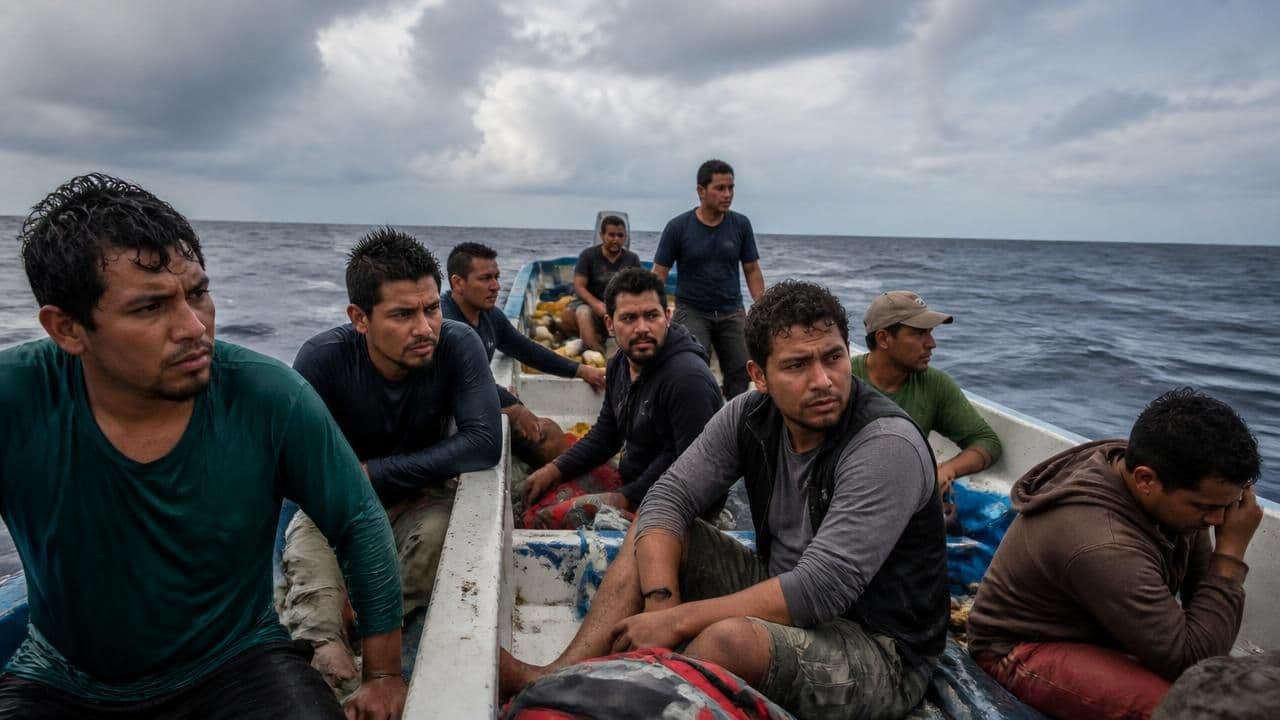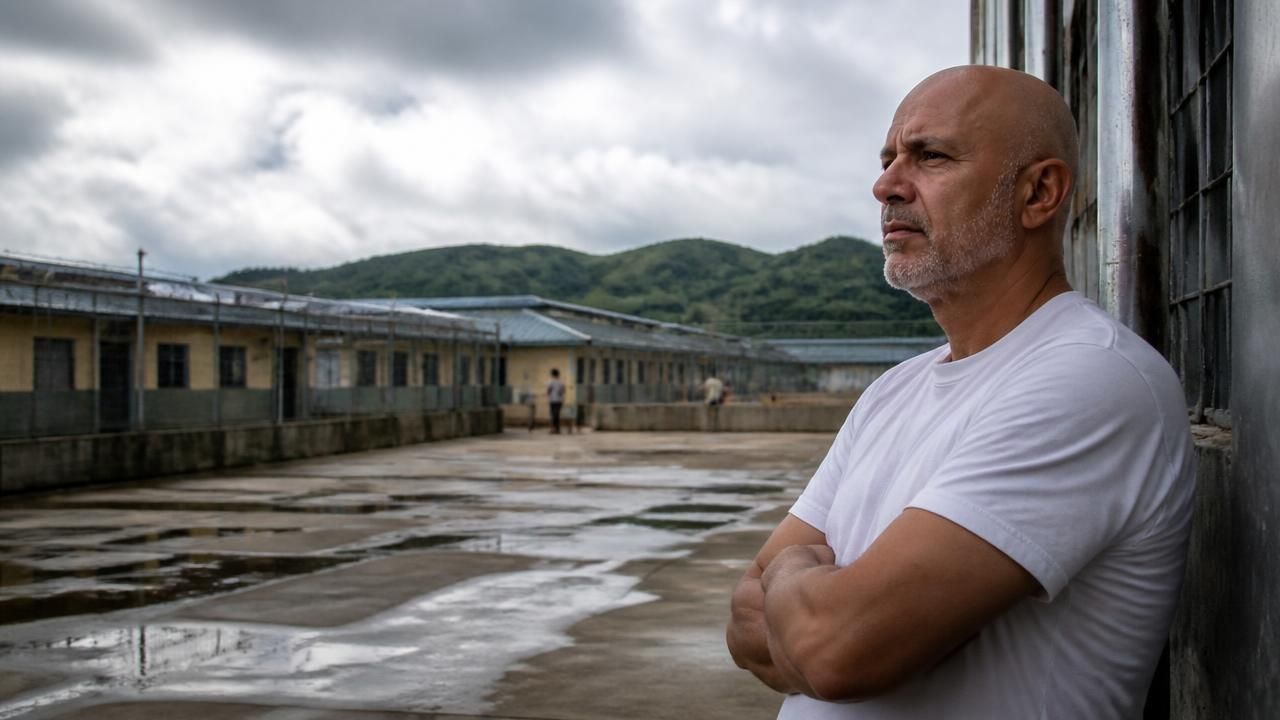
The call came from a prison in Eswatini, a small kingdom in southern Africa that Roberto Mosquera, a 70-year-old Cuban immigrant, had never heard of. For decades, Mosquera had lived in the United States, raised a family, and served a prison sentence that ended in 1996. But last year, U.S. Immigration and Customs Enforcement (ICE) agents arrested him and sent him to Eswatini as part of an expanding deportation policy that is now sending migrants to countries with which they have no prior connection.
“I have lived in the United States since 1980. I am not a criminal anymore. I paid my debt,” Mosquera told The New York Times Magazine from inside a prison where he resorted to a hunger strike to obtain a phone. His case is one of several that have come to light in recent months, revealing a shadowy system of third-country removals that human rights advocates say is creating a global archipelago of black sites for deportees.
A Pattern of Third-Country Deportation
Mosquera’s ordeal is not isolated. Legal observers and journalists have documented multiple instances of the Trump administration deporting individuals to countries they never called home—often to prisons or detention centers with dire conditions.
In El Salvador, dozens of Venezuelans have been sent to the Terrorism Confinement Center (CECOT), a mega-prison that one deportee called a “cemetery of the living dead.” The Guardian spoke to men who spent 125 days in the facility, describing overcrowded cells, lack of medical care, and routine abuse. “They treat us like animals,” one man said. “We are not gang members; we are just people who tried to find a better life.”
Lawyers for the deportees have also revealed a chilling detail: the Venezuelan gang Tren de Aragua allegedly uses a “points system” to identify and target deportees, allowing Salvadoran authorities to classify them as gang members based on tattoos, social media connections, or even the neighborhoods where they were arrested. Innocent migrants have been swept up in the dragnet.
“It felt like we were being disappeared,” said another Venezuelan deportee, recalling the flight to El Salvador and the immediate stripping of his belongings. “No one told us why we were there or how long we would be held.”
The Catch-22 for Deportees
For Mosquera, the legal battle is surreal. The Guardian reported that the Trump administration trapped him in a catch-22: he was deported to Eswatini by the U.S. government, but his removal order is now being challenged in U.S. courts. To fight the case, he needs to be in the United States, but the government refuses to allow his return, while Eswatini has not given him any legal standing to remain or work.
A Cambodian man deported to Eswatini described “misery” in the prison there, according to The Witness, a South African newspaper. The prison lacks basic sanitation, and deportees have no way to contact family or lawyers. The New York Times Magazine’s investigation found that Eswatini’s prison system was never designed to hold foreign nationals, and that the U.S. government has been paying the country to accept deportees in a little-publicized arrangement.
Conflict With Courts and International Law
The policy has ignited legal disputes at home and abroad. A U.S. court blocked the deportation of alleged criminal migrants to certain countries, but ICE officers have been left stranded in Djibouti, where they are reportedly living in “outrageous” conditions while awaiting new orders, according to the New York Post. The Guardian also reported that the U.S. is planning to deport migrants to Libya, despite a court order that appears to prohibit such removals.
In Costa Rica, a court ordered the government to free migrants who were deported by the U.S. and held in immigration detention, underscoring the international legal backlash. Venezuela has accused El Salvador of torturing its citizens, and the two countries, along with the U.S., are negotiating a prisoner swap that could release some deportees—but only in exchange for political prisoners.
ICE Agents Caught in the Middle
The operation is also taking a toll on U.S. personnel. With deportation flights blocked by courts, ICE officers have found themselves stranded in Djibouti, a tiny country on the Horn of Africa, without clear orders or adequate support. The NY Post quoted a source as saying the officers are living in substandard conditions, with no idea when they will return home.
Global Fallout and Fear
The implications extend far beyond Latin America and Africa. Immigrant communities in the United States are terrified. A Des Moines school superintendent arrested by ICE was placed on leave, and a Canadian citizen detained for two weeks said it “felt like being kidnapped.” The Trump administration has also signaled interest in deporting Black Americans to overseas prisons, as The Triibe warned, and human rights groups have documented similar abuses in Albania, the United Arab Emirates, and Russia, where African migrants report being detained with no hope except deportation.
“Our only prospect is to be deported,” said one African migrant in Russia, in a call for help captured by France 24. This global pattern suggests that the U.S. is not alone in using deportation as a weapon, but its willingness to outsource detention to third countries marks a dangerous escalation.
What Comes Next?
As the courts weigh in and international pressure mounts, the future of U.S. deportation policy remains unclear. For Roberto Mosquera and thousands like him, the uncertainty is a daily reality. “I just want to go home to my family,” he said, his voice breaking. “Anywhere is better than this place.”
The U.S. government has defended its actions, saying it is enforcing immigration laws and removing dangerous criminals. But critics argue that the indiscriminate use of third-country prisons violates due process and international human rights conventions. The coming months will likely see more legal battles, more diplomatic friction, and more heart-wrenching stories from the global archipelago of the displaced.