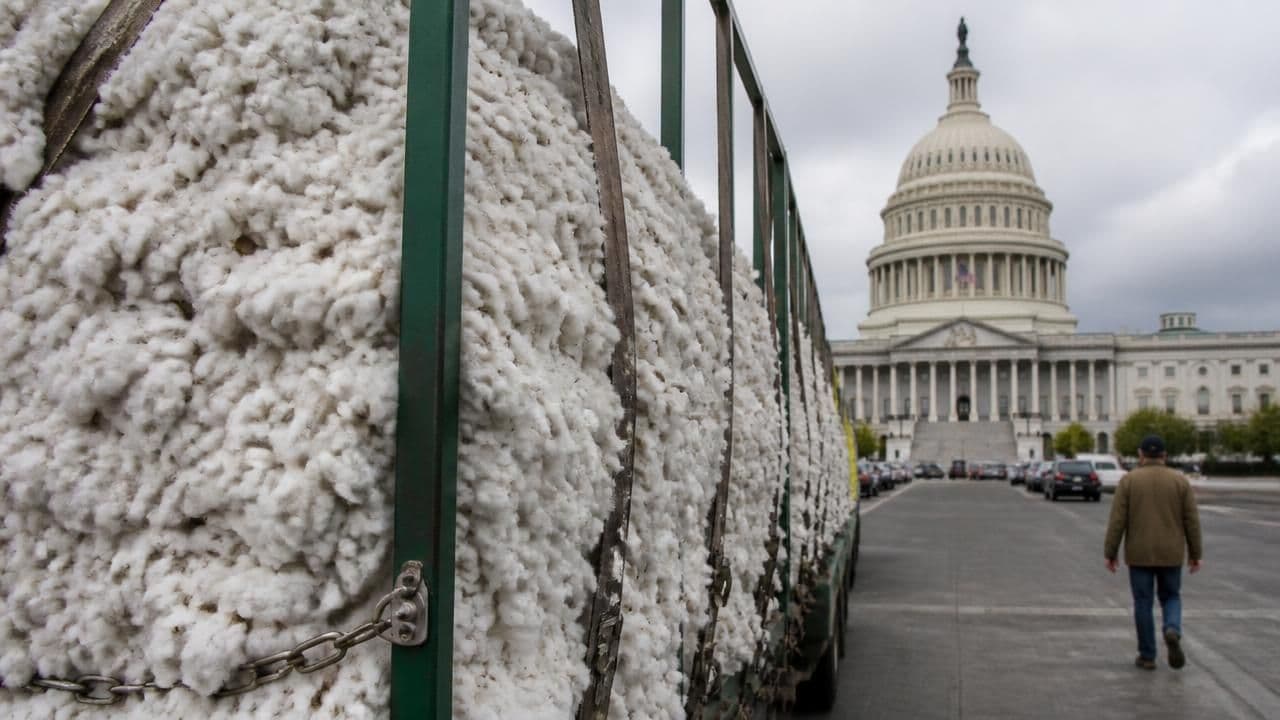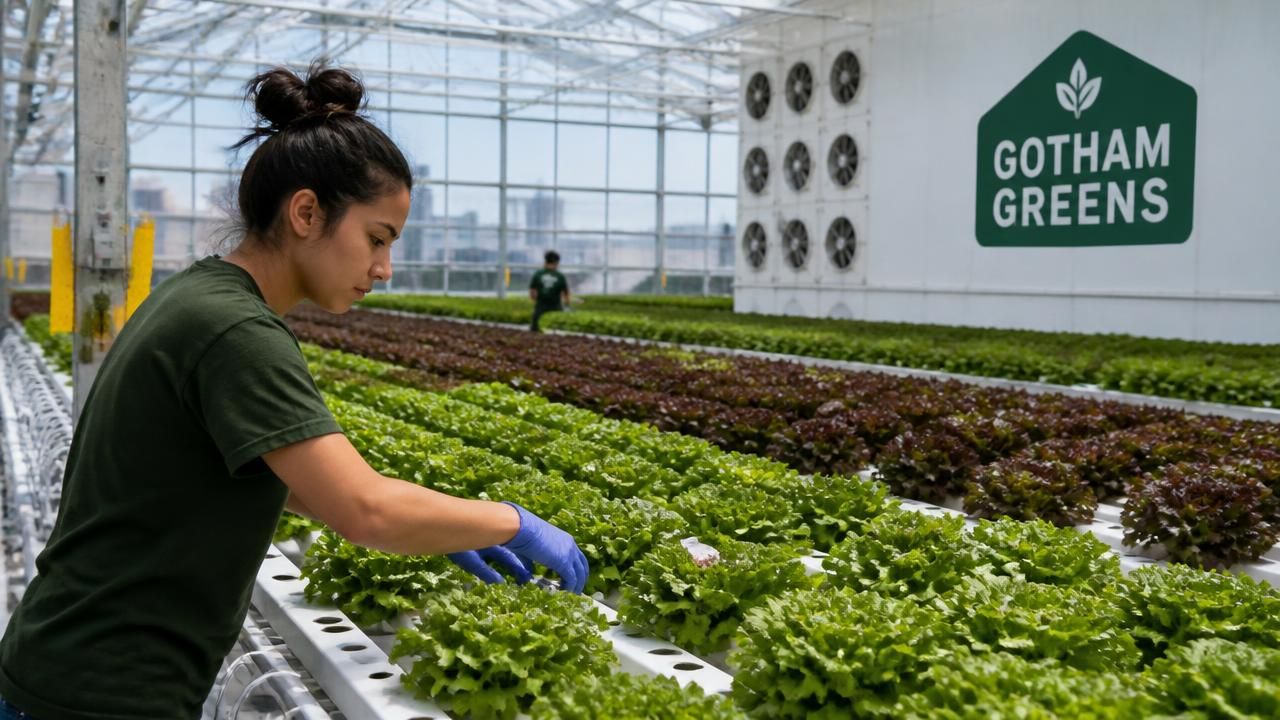
In a striking juxtaposition of fortunes, New York-based indoor farming company Gotham Greens has announced a $310 million funding round, even as the U.S. produce industry grapples with a widespread Cyclospora outbreak that has sickened thousands and devastated demand for field-grown leafy greens. The two stories are deeply intertwined, highlighting both the vulnerabilities of traditional agriculture and the rising appeal of controlled environment agriculture (CEA).
Gotham Greens' Growth Trajectory
Gotham Greens, one of the largest players in the indoor farming sector, has been on an aggressive expansion streak. The company operates high-tech greenhouses in urban centers across the country, including New York, Chicago, Dallas, and the Rockies. Most recently, it opened a new greenhouse in metro Dallas and a dedicated facility in Colorado, according to industry trade press. Its Whole Foods partnership has made it a staple in produce aisles, and it recently launched a new line of salad kits.
The new $310 million infusion—reported by the New York Post and other outlets—follows an earlier $87 million round that was also aimed at expanding the company's footprint. CEO Craig Stevenson has positioned Gotham Greens as a solution to the very food safety issues now dominating headlines. "It's not good to have an outbreak like this," Stevenson told Bloomberg, acknowledging the temporary hit to consumer demand for greens. However, he insisted that "consumer interest in salads remains strong," and that indoor farming offers a safer alternative to open-field agriculture.
The Cyclospora Outbreak and Industry Fallout
Meanwhile, the Cyclospora outbreak, caused by a microscopic parasite that leads to severe gastrointestinal illness—portrayed vividly by Forbes as "explosive diarrhea"—has been linked to Taylor Farms, a major produce supplier. The outbreak has prompted the CDC and FDA to issue cautions, leading restaurants and grocery stores to pull romaine lettuce from shelves. McDonald's is among the major chains that have become hesitant to serve romaine, according to AndNowUKnow.
The demand shock has been severe. Reports indicate that lettuce demand has tanked, forcing growers to destroy crops as sales plummet. The fallout has not been limited to romaine; a separate salmonella outbreak linked to jalapenos has compounded consumer anxiety.
Lettuce Brands Push Back with Safety Messaging
In response, lettuce brands are launching awareness campaigns to reassure consumers. Modern Retail notes that brands are marketing their product safety, emphasizing rigorous testing and traceability. But the task is uphill; retailers are removing products preemptively, and growers are bearing the cost of distrust.
Forbes took a different angle, profiling the billionaire behind Taylor Farms and scrutinizing his operations amid the outbreak. The piece underscores the public scrutiny that follows when a food safety crisis intersects with corporate wealth.
The Controlled Environment Advantage
Industry analysts see the outbreak as a watershed moment for CEA. Unlike open-field farms, indoor greenhouses like those operated by Gotham Greens use hydroponics, climate control, and strict biosecurity protocols. They are largely immune to the parasites and pathogens that spread through soil, water, and wildlife. This is a key part of the narrative that Stevenson and other CEA executives are pushing.
Yet the industry itself is not without challenges. The high capital and operational costs of indoor farming have led to consolidation, and access to capital is becoming more selective. The Packer noted that the sector is entering its "next phase," focusing on profitability rather than pure growth. Gotham Greens' latest funding round is a sign that investors still see value in the model, particularly when food safety is a national concern.
Local Impact and Urban Revitalization
Beyond food safety, Gotham Greens' expansion has a social dimension. In Chicago's West Humboldt Park, a new farm raises fresh fish and greens in a once-empty lot, as WTTW reported. Such projects repurpose blighted urban spaces, create local jobs, and provide fresh produce in underserved communities. The Chicago Tribune also documented how restaurants and stores in the city pulled romaine lettuce in response to the CDC alert, showing the real-time tension between public health and commerce.
The trend is not limited to the coasts. A Florida indoor farming firm has turned the pandemic disruption into an opportunity, as detailed by Gephardt Daily, underscoring a broader shift toward regional food systems.
What's Next for the Fresh Produce Industry?
As the Cyclospora outbreak runs its course, the produce industry is likely to see lasting changes. Consumers are becoming more aware of where their food comes from, and retailers are increasingly demanding proof of safety. For indoor farming companies, that's an opportunity. For traditional growers, it may mean investing in better sanitation and traceability—or facing more crop destruction and lost sales.
'We aren't impacted,' said one lettuce brand in a defensive posture, but the industry-wide reality is that food safety scares don't honor boundaries.
Gotham Greens is betting that its approach—local, transparent, and protected—will become the new norm. With $310 million in fresh capital, it has the resources to make that case at scale. The question is whether consumers will embrace the higher price point and whether the industry can collectively restore trust in leafy greens.
This article was synthesized from multiple outlets covering the intersection of indoor agriculture and the 2024 Cyclospora outbreak.