As classrooms reopen across the country, NASA is rolling out a universe of opportunities for students of all ages. With a new school year comes fresh chances to engage with real space missions, build hands-on projects, and even see experiments launched into orbit. From Colorado middle schoolers to university teams, students are not just learning about space—they are actively participating in it. The message from NASA is clear: jump in, try something bold, and see where curiosity takes you.
“As we enter a new golden age of exploration, there’s no better time to jump in, try something bold, and see where your curiosity takes you,” the agency said in a statement promoting its back-to-school resources.
NASA Opens Doors to Authentic Experiences
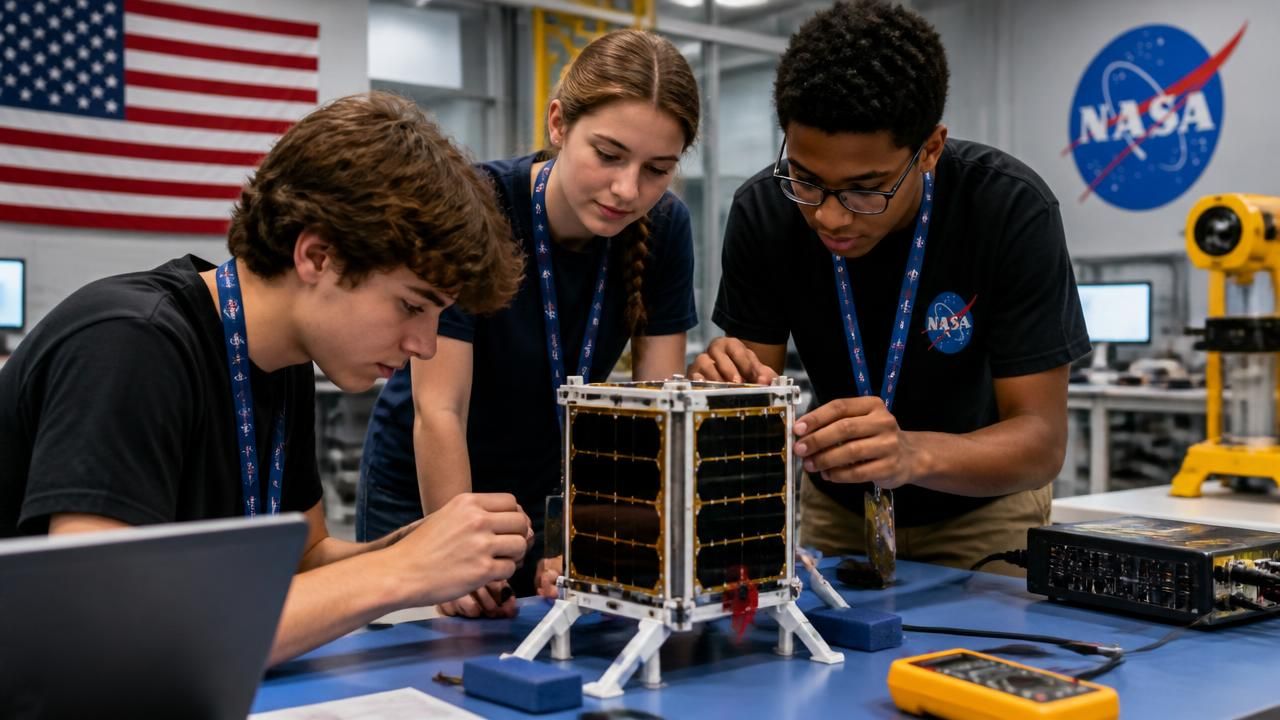
Internships remain a cornerstone of NASA’s educational outreach. Students accepted into the program work on genuine agency projects alongside NASA mentors, gaining industry-ready skills and a firsthand look at mission operations. “As members of the NASA team, interns work on genuine agency projects and gain industry-ready skills, all with the guidance of NASA mentors,” the agency explained.
Beyond internships, NASA’s student challenges and competitions are designed to tackle real technical hurdles facing mission planners. Teams develop, prototype, and test their designs, sharpening collaborative and problem-solving skills. The 2025 Human Exploration Rover Challenge, held at NASA’s Marshall Space Flight Center in Huntsville, Alabama, exemplified this, with students crossing the finish line in human-powered rovers they built themselves.
Student Experiments Headed to Space
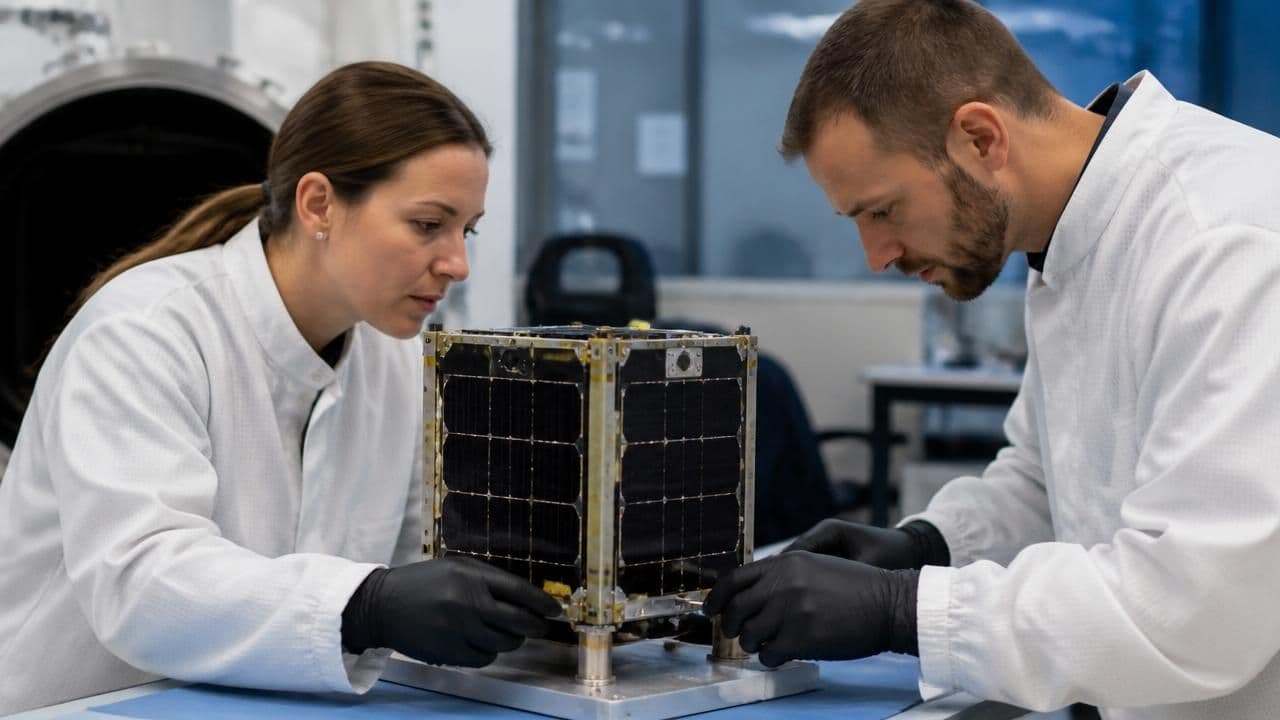
Across the country, student-built payloads are being selected for flight. The University of Toledo, for instance, is developing a NASA-inspired satellite to monitor algal blooms in Lake Erie. Nebraska students recently saw their satellite selected for an orbital mission. Middle schoolers from Meyzeek in Kentucky and Wakulla in Florida have already had devices launched into space. A team of Puerto Rican students designed a satellite that NASA will launch, and Ojibwe tribal school students in Wisconsin had a science experiment sent to space via NASA and SpaceX.
These projects span the educational spectrum, from 4-H rocketry teams in Morris County, New Jersey, to engineering students at James Madison University who claimed victory in a NASA rocketry competition. Even high school students got involved early: NASA’s PhoneSat program famously launched the first satellite built entirely by high schoolers. As one local news report noted, “NASA launches Downey High student experiment into space”—a sentiment echoed in communities from Colorado to California.
Artemis Inspires the Next Generation
The Artemis program is providing a powerful backdrop for STEM education. NASA is “full steam ahead” in preparation for Artemis III, the first crewed lunar landing since Apollo, targeted for 2027. Meanwhile, the crew of Artemis II—the four astronauts who will fly around the Moon—are becoming household names. Their educational paths are as diverse as the mission itself, from military academies to research universities, inspiring students to consider careers in spaceflight.
Schools are capitalizing on the excitement. A Rye Brook, New York school hosted a NASA ambassador to discuss Artemis II. San Antonio is opening a new space magnet school with NASA’s help. LEGO Education has partnered with NASA to bring the Artemis I mission into classrooms through its “Build to Launch” program, allowing students to build and code while learning about real mission challenges.
Historical Roots: From Challenger to Educator Astronauts
NASA’s educational mission is not new. Forty years after the Challenger disaster, the memory of Christa McAuliffe—the high school teacher selected for the ill-fated flight—remains a poignant reminder of the bond between education and space exploration. McAuliffe’s legacy lives on in NASA’s educator astronaut program, which has trained teachers to fly and inspire from the classroom to the cosmos. The 30th anniversary of the first shuttle launch was marked by sending retired shuttles to museums, cementing their role as educational centerpieces.
This history underscores a broader narrative: NASA has long invested in cultivating the next generation of scientists, engineers, and explorers. From the early days of the space race to today’s Artemis era, students have been both witnesses and participants.
Diverse Perspectives, Common Goal
Coverage of these efforts varies by outlet. Local news celebrates student achievements with hometown pride—such as Colorado middle schoolers showcasing projects in Houston or Orange County students touring JPL. University news highlights student roles in Mars missions and satellite launches, as seen with USC and Monash students interning at NASA. National outlets focus on the Artemis program’s timeline and crew, emphasizing its inspirational value. Space.com notes that NASA’s educational resources help “students launch into new school year with space-related educational resources,” while Smithsonian reflects on McAuliffe’s tragic story as a cautionary tale about the risks of exploration.
Yet all these perspectives converge on a single truth: NASA’s work is as much about inspiring minds as it is about exploring the cosmos. Whether a student is building a rover, coding a satellite, or simply watching a launch, the agency is ensuring that the next generation has a seat at the console.
How to Get Involved
For students eager to follow these paths, NASA’s website offers a full list of challenges, internships, and competitions. Deadlines vary, but the call is open to all who are curious. “NASA opens the door to authentic mission experiences,” the agency says, and with the Artemis era underway, the door has never been wider.
As one university news release put it, “Launched into a career at NASA”—a phrase that could soon apply to a new wave of students. The school year has just begun, and the stars are within reach.