A quiet but powerful movement is building across America—one that seeks to untangle the red tape that prevents people with disabilities from advancing in the workforce. From Iowa's statehouse to New York City's workforce development programs, advocates, lawmakers, and disabled workers themselves are challenging a system they say punishes ambition. At the heart of the fight: Medicaid's income and asset limits, which force many people to choose between career growth and life-sustaining health coverage.
NPR recently highlighted the Catch-22: "Some disabled people want to advance their careers. They say Medicaid rules stop them." Under new federal work requirements set to take effect next year, the situation may become even more fraught. People with disabilities who already work—often in part-time or low-wage positions—say they would love to take on more hours or seek promotions. But every additional dollar they earn risks pushing them over Medicaid's eligibility threshold, stripping them of the very benefits—personal care, therapy, medication—that make work possible in the first place.
Iowa Takes a Stand: 'Work Without Worry'
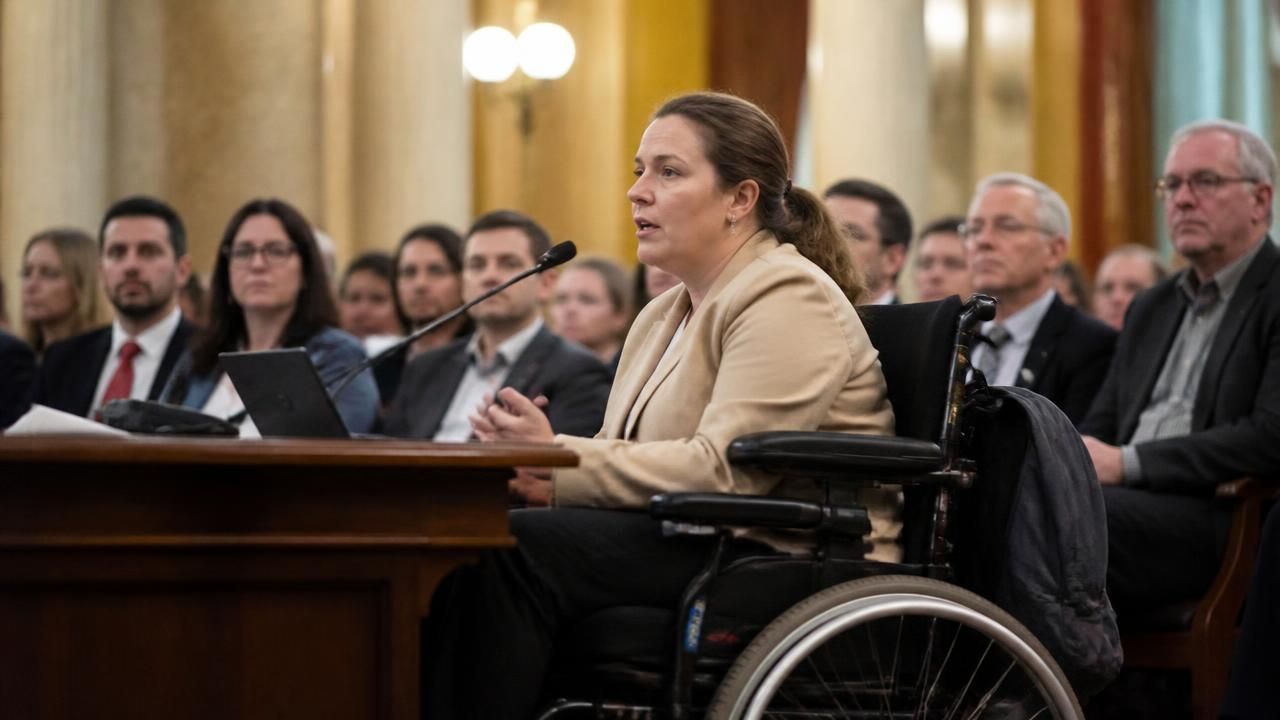
In Iowa, a bipartisan bill advancing through the legislature aims to break this cycle. Dubbed the "Work Without Worry" bill, it would align Medicaid eligibility rules for disabled workers with Social Security's more generous income and asset limits, allowing them to save money and earn more without losing coverage. Iowa Public Radio reports that advocates, including disabled Iowans, have testified passionately about the need for change. One common refrain: "I want to contribute, but I can't afford to lose my health care." The bill's supporters say it would not only improve lives but also reduce long-term dependency on public benefits by enabling people to build financial independence.
"I would like to work more, but if I earn too much, I could lose my Medicaid—and then I'd lose everything." — A sentiment echoed by disability advocates across Iowa and beyond.
New York City Invests in Inclusive Career Pathways
At the municipal level, New York City Mayor Eric Adams has announced a new investment to support career advancement for people with disabilities. While specifics of the initiative were not fully detailed in initial reports, it builds on existing programs like AHRC NYC's Advance & Earn, which provides training and support for NYC youth with and without disabilities to become direct support staff. This dual-purpose model addresses two pressing needs: filling critical caregiving roles while creating meaningful career ladders for young people, including those with disabilities. As one AHRC NYC description notes, the program offers paid training and a path toward stable, in-demand employment.
Disability in Culture: Musicians Demand More Than a Stage
The push for inclusion extends beyond policy to the cultural arena. In the UK, disabled musicians have spoken out about feeling "less than human" in an industry that often treats accessibility as an afterthought. One artist, quoted by Sky News, described the experience: "It made me feel less than human." Their demands echo a broader reckoning across arts and entertainment—that disability is not a personal limitation but a societal failure to design inclusively. Whether it's venues lacking step-free access, or festival stages that fail to accommodate wheelchairs and sensory needs, the call is clear: nothing about us without us.
Framing the Debate: A Clash of Philosophies
The different sources covering this story reveal ideological fault lines. NPR frames the issue as a personal struggle against bureaucratic barriers, telling individual stories of ambition thwarted. Iowa Public Radio emphasizes legislative solutions and the voices of constituents. NYC's official channel presents disability employment as a matter of municipal innovation and economic opportunity. Meanwhile, cultural coverage, like Sky News, broadens the lens to include dignity and representation. Together, they paint a picture of a society slowly waking up to the fact that disability rights are labor rights, civil rights, and human rights.
The Historical Context: A Long-Running Mismatch
The roots of the problem go back to the 1960s, when Medicaid and Medicare were designed with a binary assumption: you are either too disabled to work or healthy enough to earn a living. That dichotomy has never reflected reality. Today, nearly one in five working-age Americans lives with a disability, and many can and do work. But federal rules enacted decades ago—like the $2,000 asset limit for Supplemental Security Income (SSI)—remain stubbornly low, effectively discouraging even modest savings. States like Iowa are now experimenting with reforms, but a federal patchwork persists.
Other Headlines Across the Public Media Landscape
While disability employment took center stage, other stories from public media outlets also captured attention. The FAA's proposal to reboot the nation's airspace—showcased by a pioneering airline—could transform how planes navigate, promising shorter flights and lower emissions. In public health, backlash against birth control online may be contributing to rising abortion rates, a live question. For those wrestling with consumer guilt, a comic from KNKX explored why spending money makes us feel bad—and how to reframe it. Political analysts noted a new poll showing voters sick of the two-party system and open to structural change. Abroad, floods in India's Assam state reached a death toll of 100, leaving thousands homeless. On the culture beat, a celebration of "Sexy Asian Men" in a new musical, and a fresh look at Goodnight Moon author Margaret Wise Brown, who was no old lady whispering hush—she was a trailblazing, often radical figure.
What This Means Going Forward
The disability employment story is at a pivotal juncture. With new Medicaid work requirements on the horizon, the risk of people losing coverage just as they gain a foothold in the workforce is acute. But the momentum for reform is also real. In Iowa, the "Work Without Worry" bill represents a concrete step toward a model where working and receiving needed health care are not treated as mutually exclusive. New York City's investment shows what can happen when municipal leaders treat disability inclusion as an economic imperative, not a charity. And cultural movements are shifting the narrative from pity to power.
As these stories converge, they remind us that public media serves a vital role: surfacing the complexities that are easy to overlook. The fight over Medicaid work rules is not just about policy—it is about whether our society truly values the contributions of 61 million Americans with disabilities. The answer may come in Iowa, in New York, and in the quiet determination of workers who simply want a fair chance.