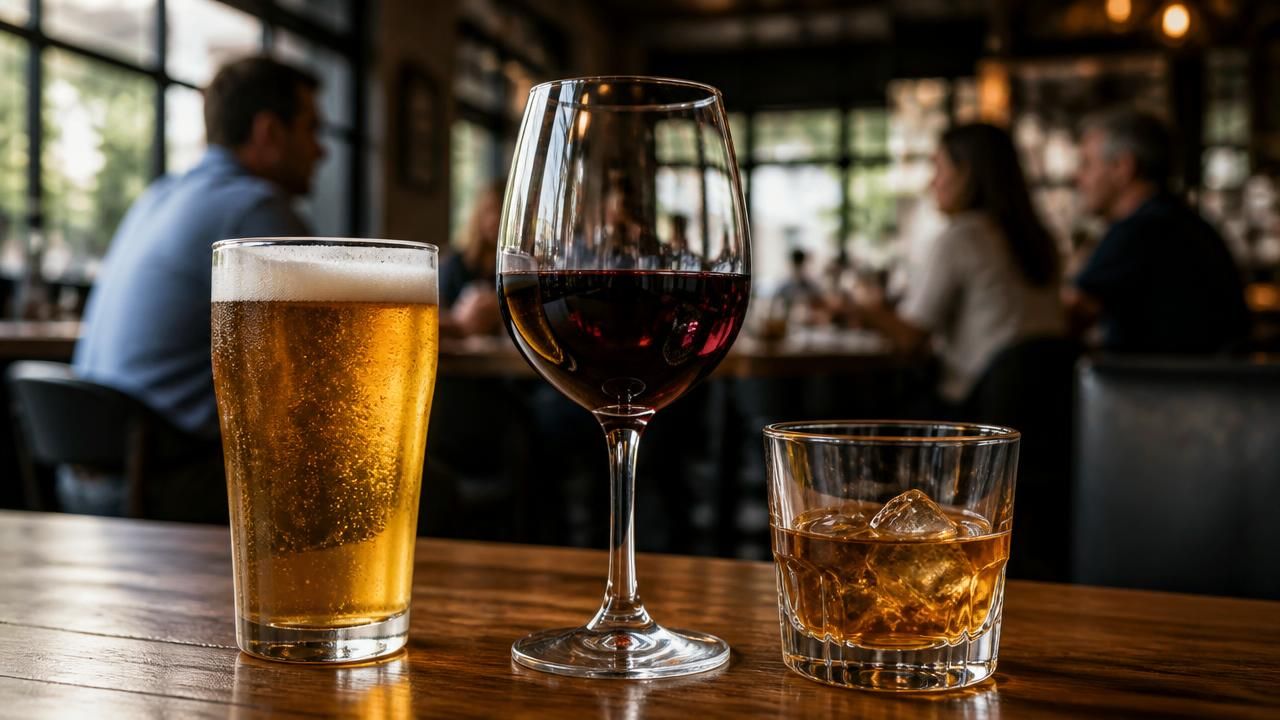
For decades, the debate over which alcoholic beverage is "healthiest" has been a cocktail of conflicting studies and anecdotal wisdom. Now, a massive new study tracking more than 340,000 adults for over a decade has stirred the glass again—and the findings are surprising. While heavy drinking raises the risk of death regardless of what you drink, at moderate levels the type of alcohol appears to make a significant difference: beer, cider, and spirits were linked to higher mortality, while wine was associated with a lower risk—including a 21% drop in cardiovascular death for moderate wine drinkers compared to those who rarely or never drank.
The research, which has been widely covered by outlets from Science Daily to Wine Spectator, is being hailed as one of the most comprehensive looks yet at how beverage choice interacts with long-term health. But it also raises thorny questions: Is wine truly protective, or are wine drinkers simply different? And what does this mean for the millions who prefer a cold beer or a whiskey neat?
The Study: What It Found
Researchers analyzed data from 340,000 adults over a 10-year period, adjusting for age, sex, lifestyle, and other confounding factors. The headline result: heavy drinking—typically defined as more than eight drinks per week for women and 15 for men—was associated with increased mortality across all beverage types. However, at lower intake levels, a clear hierarchy emerged. Moderate wine drinkers had a 21% lower risk of cardiovascular death compared to nondrinkers, while those who preferred beer, cider, or spirits showed higher all-cause mortality than nondrinkers.
The findings echo a long-standing pattern in alcohol epidemiology, often called the "French Paradox": wine, especially red wine, has been linked to heart health benefits, possibly due to polyphenols like resveratrol. But critics caution that wine drinkers often have higher incomes, better diets, and more exercise—factors that may drive the apparent benefit.
Different Frames, Different Headlines
Media coverage of the study reveals how the same science can be spun in multiple directions. Wine Spectator led with an optimistic headline: "Does Your Drink Choice Matter? A New Study Finds Moderate Wine Drinkers Live Longer." The Independent asked a more skeptical question: "Could your beer have health benefits? This is what the research actually says," diving into whether beer might have any redeeming qualities (the answer, per the study, is largely no). MSN declared "Wine is better for you than beer or spirits, experts discover," while the Daily Mail—in a story that briefly appeared before being taken down—posed the more alarmist question: "Not all alcohol is equal... study reveals which type is most dangerous."
Interestingly, EatingWell took a different angle entirely, highlighting a potential downside: "This Surprising Habit Could Raise the Risk of Breaking a Bone by 18%, New Study Says." While that headline doesn't mention alcohol, the underlying research suggests that certain drinking patterns—possibly binge drinking or heavy spirit consumption—may increase fracture risk. This underscores that the effects of alcohol are not uniformly positive, even when one beverage seems to outperform others.
Beyond the Headlines: The Millennial Wine Boom
While the health debate rages, another story is unfolding in the beverage industry. A separate but complementary study from the Wine Market Council found that Millennials have now overtaken Baby Boomers as the largest U.S. wine-drinking cohort. This generational shift has profound implications for the market, as younger drinkers tend to favor premium but sustainable wines, and they often consume wine differently—over meals, in social settings, and in moderation. The convergence of Millennial wine consumption and the new health data may reinforce a cultural shift toward wine as a lifestyle choice rather than just an intoxicant.
A Few Words on the 'Beer Before Wine' Myth
As with any alcohol story, timeless folk wisdom has a way of creeping in. Harvard Health recently revisited the old adage "Beer before wine, you'll feel fine; wine before beer, you'll feel queer." The verdict? The sequence of drinks likely matters less than the total amount and pace of consumption. Hangovers are primarily driven by volume, dehydration, and congeners—compounds found in darker spirits and, to a lesser extent, red wine. That said, the Harvard piece notes that drinking wine after beer can feel worse simply because people often switch to a higher-alcohol beverage later in the evening. The new study, however, suggests that over the long term, what you drink consistently may matter far more than the order in which you drink it.
What It Means for You
The takeaway from this synthesis is nuanced. First, no amount of alcohol is risk-free, and heavy drinking is dangerous regardless of beverage type. Second, if you do drink moderately, choosing wine over beer or spirits may be associated with better cardiovascular outcomes—but this is an association, not proof of causation. Experts urge caution before taking up wine purely for health reasons, especially for women, where even low alcohol intake has been linked to increased breast cancer risk.
For those who enjoy beer or spirits, the news isn't a death sentence—it's a reminder to moderate. And for the growing number of Millennials who are making wine their go-to drink, the study offers a reason to feel good about their choice, even if the real driver of longevity is the overall lifestyle that often comes with being a wine lover: leisurely meals, social connection, and a glass of something shared.
As the research continues to evolve, one thing is clear: the beverage in your glass is more than just alcohol—it's a marker of habits, culture, and perhaps even your health. The next time you toast, it may be worth considering whether your drink of choice is also your drink of longevity.