Spain has announced it will introduce temporary border checks on travelers arriving from Italy, an unusually direct retaliation within Europe's normally passport-free Schengen zone. The move, which comes in response to Rome's own controls imposed earlier this month, marks the latest twist in a migration dispute that has exposed deep divisions between EU member states.
What happened?
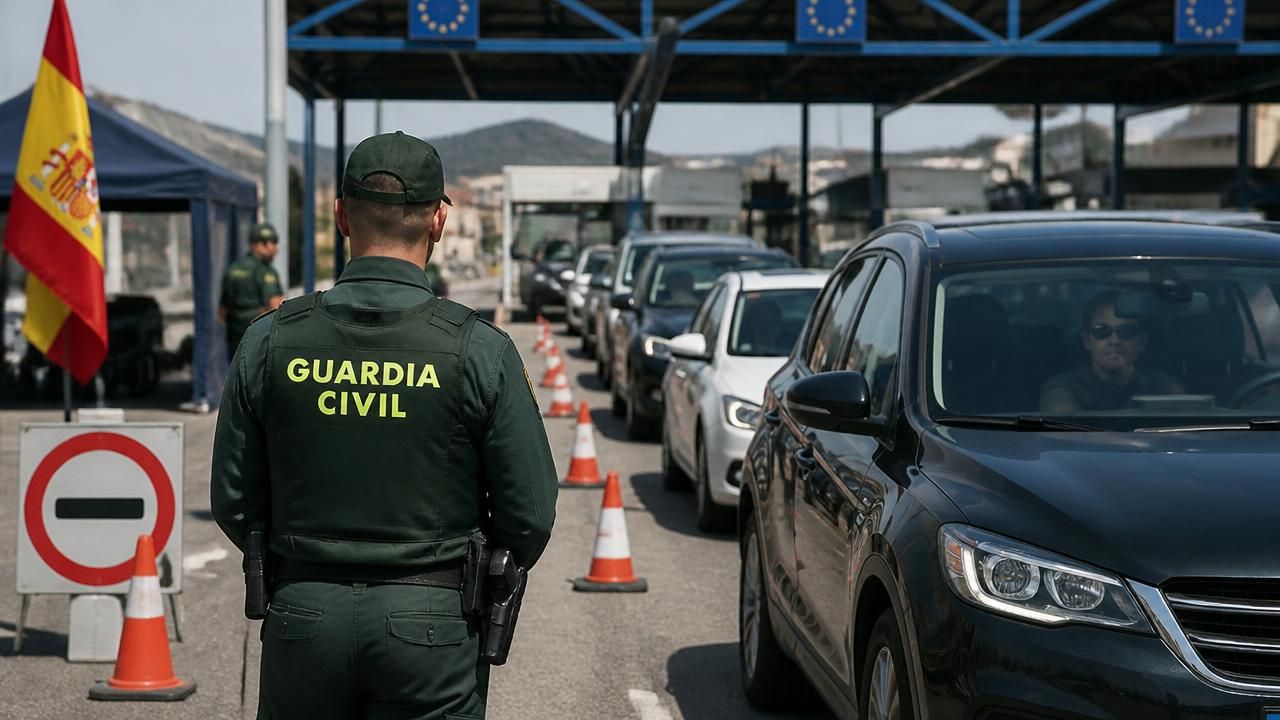
Spain's interior ministry confirmed that checks will begin at midnight on Saturday and remain in place until 7 September. The measure applies at all Spanish entry points, including airports and seaports, for passengers coming from Italy. The ministry described the decision as a "proportionate response" to Italy's decision to impose similar checks on arrivals from Spain, which was taken "amid the persistent irregular migration pressure" facing the country.
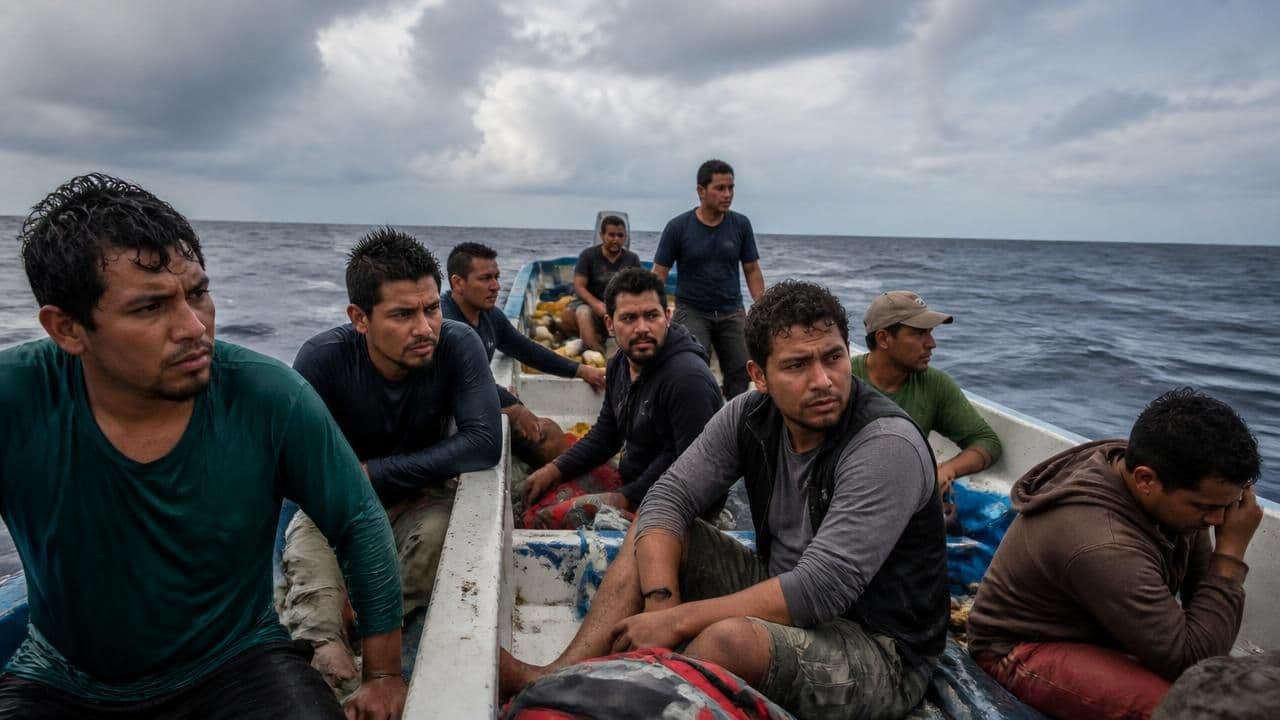
Italy's controls, announced earlier this month, were widely seen as a direct rebuke to Spain over its handling of a mass arrival of migrants in the North African enclave of Ceuta. Reports indicate that thousands of people entered the Spanish territory from neighboring Morocco in mid-May, overwhelming local authorities and forcing Madrid to deploy troops.
The Ceuta context
The crisis in Ceuta became a flashpoint in European migration politics. Moroccans crossed the frontier in large numbers, apparently without Moroccan border guards intervening. Spanish authorities responded by returning many migrants to Morocco, a policy that drew both criticism and support from other EU nations. Italian officials, including Prime Minister Giorgia Meloni, expressed solidarity with Spain but also demanded a tougher EU-wide approach to migration.
Italy's decision to reimpose border checks, which it said were necessary to protect its own borders from secondary migration flows, surprised many in Brussels. The European Commission reminded member states that border controls are an exceptional measure under the Schengen rules and should be limited in time and scope. Nevertheless, Italy justified its move under the "public policy or internal security" clause.
Spain's response has been interpreted in different ways. Some outlets, such as the Guardian and Arab News, describe it as a "tit-for-tat" escalation. Others, including Il Sole 24 Ore, see it as an "all-out clash" between two major EU countries. Newsbook called it a "retaliation." While Italian media played down the significance, Spanish officials insisted that the step was measured and reversible.
A diplomatic source told Euractiv that Italy is eager to de-escalate the situation and does not want a prolonged dispute. At an emergency EU meeting on Friday, Italy's interior minister reportedly described the checks as temporary and stressed the importance of joint action on migration.
Legal questions
The reciprocal border controls have raised legal questions. Under the Schengen Borders Code, a member state may temporarily reintroduce border checks if there is a serious threat to public policy or internal security. However, the checks must be proportionate and non-discriminatory. Legal experts are divided on whether Italy's original move was justified, and whether Spain's response is lawful.
Law professor Sarah Wolff of Queen Mary University said: "The Schengen code allows checks for a limited period, but the rationale has to be genuine. Using another state's border control measure as a reason to impose your own is unusual and could be challenged."
Some analysts point to a growing trend: border controls within the Schengen area have become more common since the 2015 migration crisis. Germany, France, Austria, and other countries have all reintroduced checks for various reasons. The current Spain-Italy dispute suggests that this trend is accelerating, even between countries that historically had close ties.
Impact on travelers
For tourists and business travelers, the new checks will mean longer queues and extra document checks. Anyone traveling between Spain and Italy should expect delays at airports and ports. The two countries are among the top tourist destinations in Europe, and the dispute could affect millions of travelers during the summer season.
Travel industry groups have warned that border controls undermine the convenience of free movement. EasyJet's CEO said that the reintroduction of checks is "unacceptable" and hurts passengers. The European Travel Commission called for a balanced approach that maintains security without disrupting travel.
- Travelers should carry valid passports or ID cards; border guards may ask about the purpose of stay.
- The checks are temporary, but could be extended if the dispute continues.
- Alternative routes within the Schengen area may also be affected as checks can occur at internal borders.
Broader context: EES and ETIAS
The Spain-Italy row comes as the European Union prepares to launch its new Entry/Exit System (EES), a digital border control system for non-EU nationals. The EES has been repeatedly delayed, and some member states, including Greece, have asked for more flexibility. The European Commission, however, has rejected calls to suspend or delay the system, insisting that it will improve security. The dispute between Madrid and Rome is unrelated to the EES, but it highlights the tension between free movement and border control.
Outlook
Both Spain and Italy appear to want to avoid a full-blown diplomatic crisis. Spain's interior minister said the checks are temporary and could be lifted if Italy does the same. Meanwhile, Italy's foreign minister called for constructive dialogue. But with domestic politics and migration pressures high on the agenda in both countries, the checks may stay in place for some time.
As one EU diplomat put it: "This is not about the length of the checks, but about who gets to decide who enters the Schengen area. If two member states start imposing checks on each other, the whole concept of a common border policy is called into question."
The situation is being watched closely in Brussels. The European Commission has promised to monitor the proportionality of the measures. For now, travelers between Spain and Italy must brace for a summer of increased border scrutiny.