NASA's Artemis program is accelerating. This week alone brought a flurry of milestones: the arrival of a massive SLS core stage at Kennedy Space Center, the naming of the Artemis III crew, new tests for SpaceX and Blue Origin lunar landers, and innovative work to vanquish the Moon's most stubborn adversary—dust. Together, these steps represent the most concrete progress yet toward humanity's first sustained return to the lunar surface since Apollo.
Artemis III: A Test Flight That Paves the Way
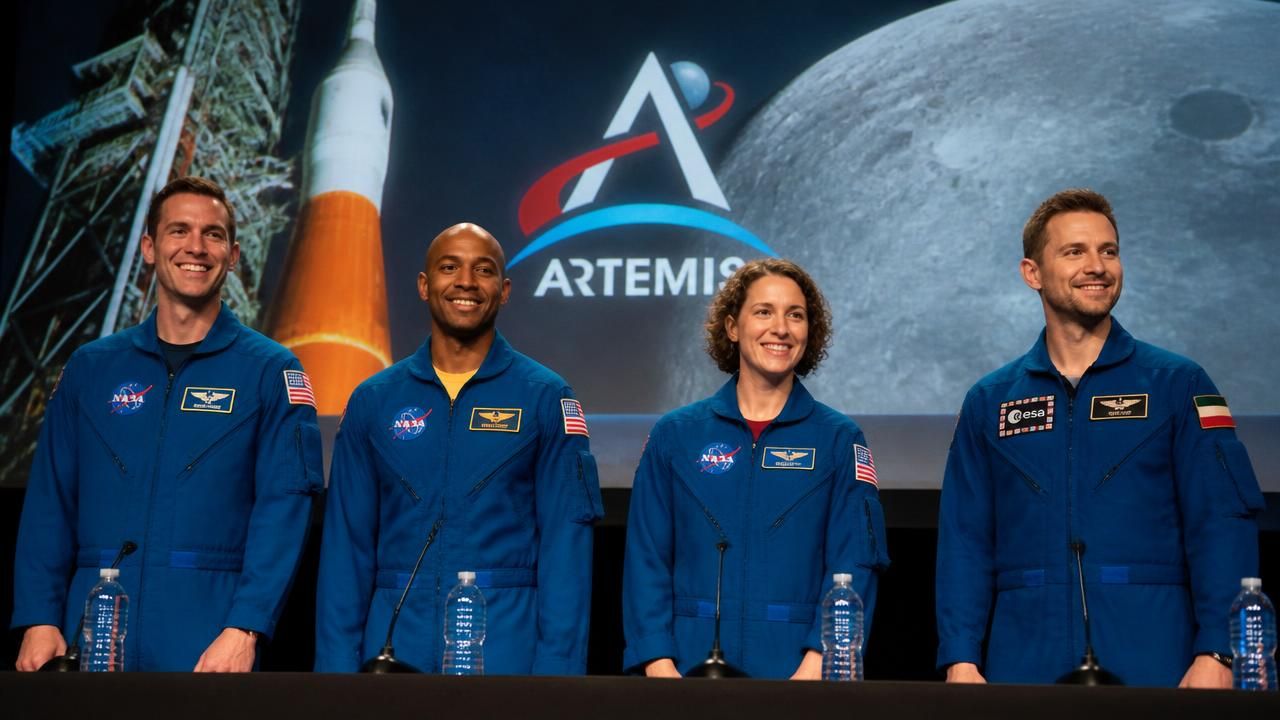
On Tuesday, NASA unveiled the four astronauts who will fly the Artemis III mission, a pivotal test flight that will validate the next-generation lunar landers. The mission, scheduled for 2027, will not touch the lunar surface—instead, the crew will execute a series of docking and proximity operations in Earth orbit with landers built by SpaceX and Blue Origin. It's a critical rehearsal before an actual landing attempt later this decade.
The crew includes three NASA astronauts and the first European Space Agency (ESA) astronaut assigned to an Artemis mission, marking a new era of international partnership. "We are going to the Moon together," said one NASA official, emphasizing the collaborative spirit.
Why This Mission Matters
Artemis III is designed to de-risk the landers. By flying crew to test the vehicles in a real space environment, NASA will gather data on life support, docking systems, and human-vehicle interfaces before committing to a landing. According to SpaceNews, the test will "pave the way for moon landings" by uncovering issues that can be fixed on the ground.
The landers themselves are late: both SpaceX's Starship and Blue Origin's Blue Moon have faced technical and schedule hurdles. But with Artemis III now defined as an orbital test, the timeline is more achievable.
Hardware on the Move: SLS and Orion
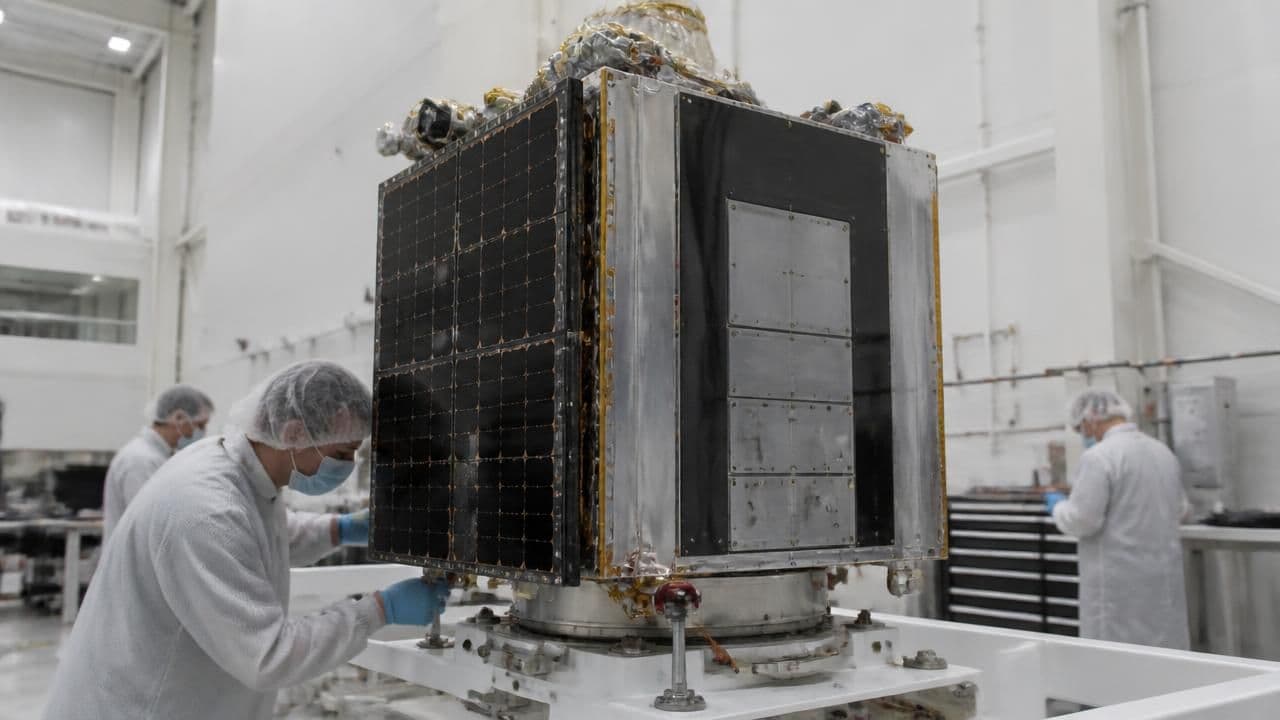
Meanwhile, the Space Launch System (SLS)—the massive rocket that will send Orion and its crew moonward—is taking shape. The core stage for Artemis III, described as the "backbone" of the rocket, arrived at Kennedy Space Center aboard a barge after completing its journey from Michoud Assembly Facility in New Orleans. Earlier, the first Artemis III engine was delivered to the Florida spaceport, and at Stennis Space Center, engineers completed a 450-second test fire of the rocket's main engine, along with sound suppression system testing.
Orion itself has completed pressure tests and is being outfitted with secondary structures. At the Neil Armstrong Operations and Checkout Building at Kennedy, technicians are preparing the spacecraft for crewed flight.
"The hardware is coming together," said NASA's Johnson Space Center director in a statement. "Every component is being tested to the extreme."
Defeating Moon Dust
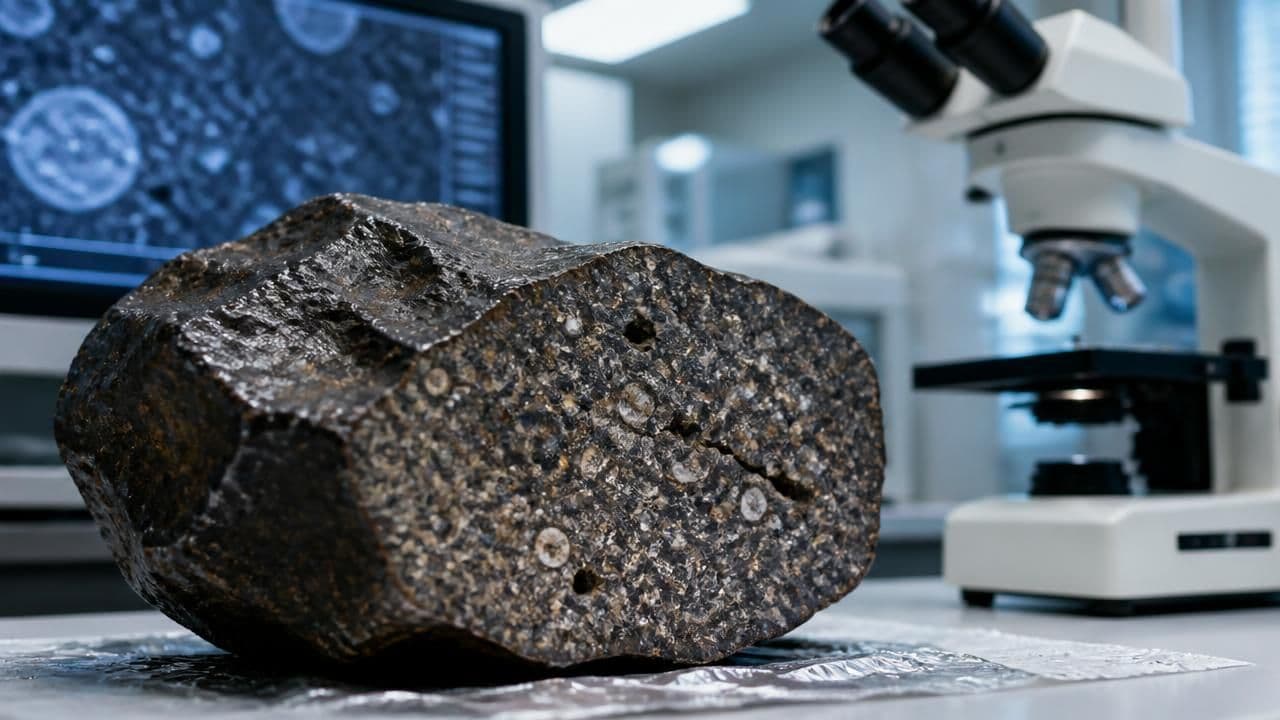
One of the most underappreciated challenges of lunar exploration is dust. Unlike terrestrial sand, lunar regolith is sharp, electrostatically charged, and sticks like glue. It can degrade seals, clog filters, and pose a health hazard to astronauts. At Johnson Space Center's Lunar Development and Test Facility, engineers are testing tools like the Handheld Lunar Electrostatic Dust Mitigation device, which uses electric fields to repel dust from spacesuits and equipment.
"Understanding and mitigating the effects of lunar dust is essential as astronauts prepare to live and work on the surface of the Moon." — NASA
National Geographic recently highlighted this work, noting that dust mitigation is critical for long-duration stays. The problem is so significant that NASA has dedicated an entire facility to replicating the lunar environment.
Training and Testing: From the Vomit Comet to a Fake Moon Base
Astronauts are also preparing. A newly acquired Boeing 737-700, dubbed NASA's next "Vomit Comet," will begin parabolic flights to simulate reduced gravity, allowing crews to rehearse procedures for lander ingress and egress. At Johnson Space Center, astronauts practice inside a full-scale mock-up of the lunar surface habitat, while at the Neutral Buoyancy Laboratory, they test spacesuits underwater. Recently, NASA took a dip in the pool to evaluate new moon-bound spacesuits, and engineers at JPL have been shaking commercial lunar spacecraft to simulate launch vibrations.
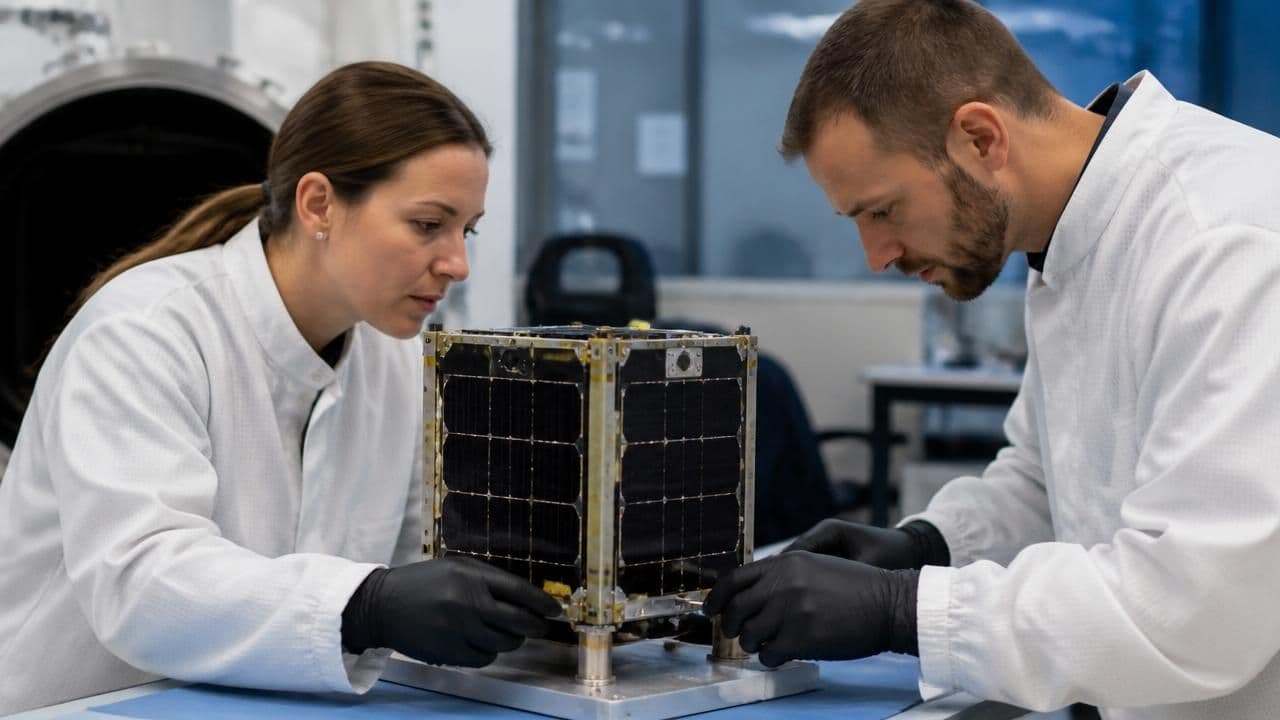
In icy chambers, spacesuit components are tested at cryogenic temperatures, and MIT's Lincoln Laboratory has delivered a communications terminal for a lunar flyby mission—a precursor to an eventual lunar navigation network. "The moon is getting its own GPS," one project lead said.
Delays, Budgets, and a Make-or-Break Moment
It hasn't been easy. Artemis II, the crewed flyby mission, has suffered years of delays and billions in cost overruns, making it a "make-or-break" test for the program, according to NBC News. Originally slated for 2024, the mission is now expected in 2026 or later. The U.S. Government Accountability Office has criticized schedule risks, and some lawmakers have questioned the sustainability of the SLS program.
Yet NASA argues that the long view matters. "We're going back to the Moon to stay, and that requires doing it right," said a senior NASA official. With a new lunar navigation network, commercial landers slated for a 2026 moon base, and four commercial landers clearing final test gates, the pieces are slowly aligning.
Looking Ahead
As the Artemis III crew begins training, the SLS stack rises inside Kennedy's Vehicle Assembly Building, and SpaceX tests Starship prototypes in Texas, the path to the Moon becomes clearer. The Artemis program is no longer just a plan—it's a tangible, multinational endeavor with hardware on the pads and astronauts in the flight suits.
The next few years will be decisive. If Artemis II flies successfully and Artemis III proves the landers, a lunar landing could follow by 2028. And if all goes well, the astronauts will step onto the Moon's surface—with dust-free boots.