The U.S. Department of Health and Human Services (HHS) has initiated steps to decertify Network for Hope (NFH), a Kentucky-based organ procurement organization, following a series of alarming incidents in which the group allegedly attempted to harvest organs from patients who were still alive. The announcement, made Wednesday, marks a significant crackdown on an organization that serves Kentucky and parts of Indiana, Ohio, and West Virginia.
A Shocking Case That Shook the Nation
The case that first brought NFH under scrutiny occurred in 2021 at Baptist Health Richmond in Kentucky. Thomas "TJ" Hoover II, a 33-year-old man, was admitted after a drug overdose and declared brain-dead. As he was being wheeled into an operating room for organ retrieval, a transplant surgeon noticed that Hoover was moving and showed a corneal reflex—signs that he was not legally dead. The procedure was immediately halted. Weeks later, Hoover walked out of the hospital alive.
"He was breathing on his own. He was moving. They were about to cut him open," Hoover's sister, Donna Rhorer, told CNN. "We were told there was no hope, but there was hope all along."
The incident might have been dismissed as a tragic miscommunication, but subsequent investigations revealed a pattern of egregious misconduct. In New Jersey, at Cooper University Hospital in Camden, another patient—who was not a registered organ donor—was reportedly subjected to similarly aggressive procurement attempts. Whistleblowers told lawmakers that NFH officials pressured hospital staff to proceed with organ recovery from a patient who showed clear signs of life, while misleading grieving families about their loved ones' conditions and donor status.
Federal Action: Decertification Proceedings
In a formal notice, HHS's Centers for Medicare & Medicaid Services (CMS) cited "systemic failures and immediate jeopardy" to patient safety as grounds for revoking NFH's certification. The action, first reported by Ars Technica, would effectively shutter the organization, which also covers parts of Indiana, Ohio, and West Virginia. If decertified, another organ procurement organization (OPO) will be appointed to coordinate donations in the region.
NFH, which was formerly known as Kentucky Organ Donor Affiliates and merged with other groups to become Network for Hope, has vowed to fight the decision. In a statement, the organization said it "strongly disagrees" with the HHS finding and will appeal.
"Network for Hope has always placed the safety and dignity of donors at the center of our mission. We are confident that the facts will demonstrate that our protocols and procedures meet or exceed federal standards," the statement read.
Whistleblowers and Lawmakers Call for Reform
The decertification move follows months of investigative reporting and congressional scrutiny. A whistleblower complaint obtained by Patch and PhillyVoice described a toxic culture at NFH, where staff were pressured to maximize organ procurement numbers at any cost. According to the complaint, families were often given misleading information about brain death and organ donation consent. In one case detailed by NJ.com, a brain-dead man's family was told that because he had a driver's license, his organs could be harvested—even though he was not a registered donor.
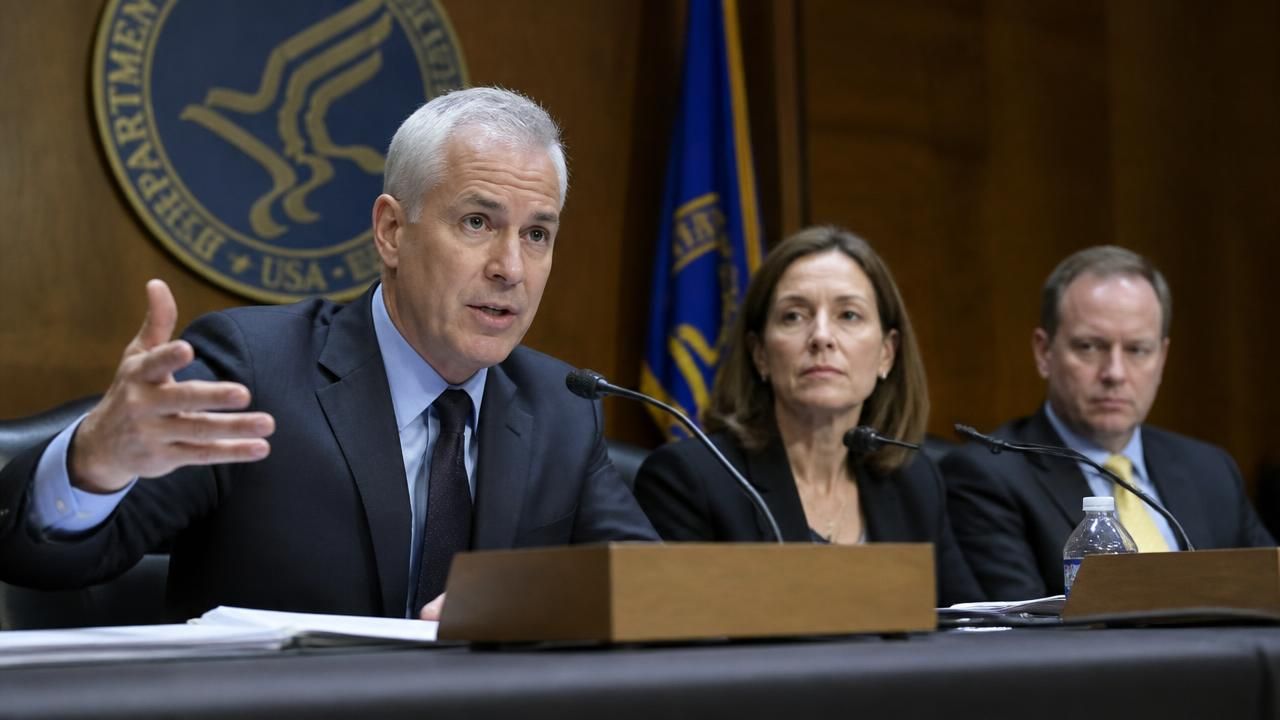
U.S. lawmakers from both parties have seized on the revelations. In hearings, they have questioned why such practices went undetected for so long and called for comprehensive reform of the nation's organ procurement system. "This is a betrayal of the public trust," said one congressman during a recent committee hearing. "Families in their worst moments were lied to, and patients were put at risk of being killed for their organs."
A Wider Problem in Organ Procurement
The NFH case is part of a broader pattern of concern about OPOs across the United States. A 2025 investigation by The New York Times, titled "Doctors Were Preparing to Remove Their Organs. Then They Woke Up," documented multiple instances nationwide where patients who were not legally dead were nearly organ donors. Experts point to a systemic issue: OPOs are under intense pressure from hospitals and the government to increase organ recovery rates, sometimes leading to ethical lapses.
"Organ procurement organizations operate in a gray zone," said Dr. Art Caplan, a bioethicist at NYU Langone Medical Center. "They must balance the urgent need for organs against the absolute requirement to ensure a donor is truly dead. When incentives are misaligned, tragedies happen."
Key Findings from the Investigation
- NFH attempted to procure organs from at least two patients who showed signs of life, according to HHS.
- The organization misled families about donor status and brain death, per whistleblower claims.
- NFH failed to report critical incidents to CMS, as required by law.
- The organization's own medical directors were overruled or ignored in at least one case.
Next Steps and Implications
The decertification process will include a hearing, and NFH has the right to appeal. In the meantime, the organization continues to operate, raising concerns among patient advocacy groups. "Every day that NFH remains certified is a potential risk to families," said Sally Satel, a resident scholar at the American Enterprise Institute who studies organ donation. "The government must act swiftly to ensure no other family suffers what these families did."
The case has also renewed calls for better oversight of OPOs, which operate as quasi-monopolies in their regions. A bill introduced in Congress would require OPOs to meet stricter performance metrics and undergo more frequent audits. The NFH scandal may be the catalyst needed for change.
For Thomas Hoover, the man at the center of the story, life after the ordeal has been a slow recovery. He now speaks publicly about his experience, urging others to be vigilant about organ donation policies. His story, once a near-tragedy, has become a powerful testament to the need for reform.