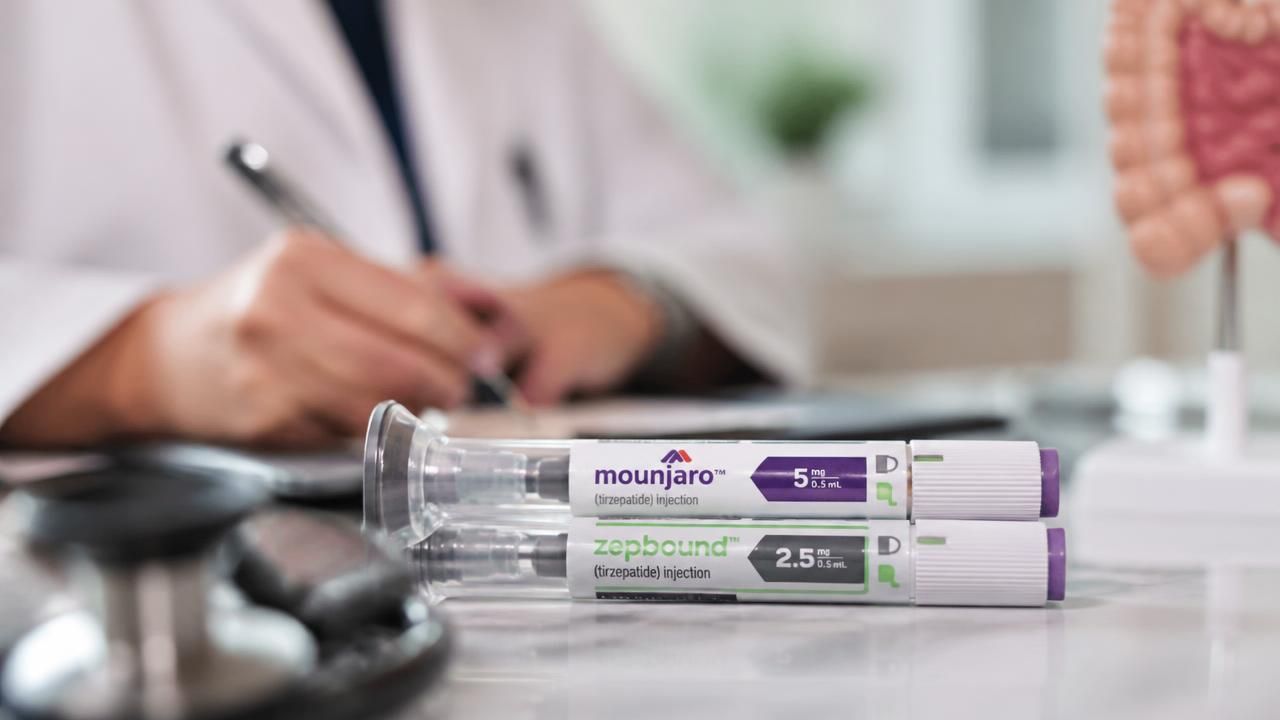
New research reported by Science Daily suggests that tirzepatide, the active ingredient in Mounjaro and Zepbound, can activate calorie-burning brown fat in obese mice. The finding points to a metabolic effect that goes beyond appetite suppression, potentially helping explain the drugs' powerful benefits and inspiring more comprehensive treatments for obesity and diabetes.
Tirzepatide is a dual GIP and GLP-1 receptor agonist. It mimics two hormones involved in blood sugar control and appetite regulation. Mounjaro is approved for type 2 diabetes, while Zepbound is approved for chronic weight management. Both are once-weekly injections. The science story, echoed by Yahoo's headline that tirzepatide may boost calorie-burning brown fat, has now intersected with intense consumer interest in how the two brand-name drugs differ. Forbes has covered that question directly with articles titled 'Zepbound Vs. Mounjaro: What's The Difference?' and 'Zepbound vs. Mounjaro For Weight Loss: What's The Difference?'
What the mouse study found
In obese mice, tirzepatide activated brown adipose tissue, a type of fat that burns energy as heat rather than storing it. Science Daily reported that the drug turned on this calorie-burning fat, revealing a potential metabolic effect beyond appetite suppression. If confirmed in humans, the mechanism could help explain why tirzepatide produces such strong weight loss and blood sugar improvements in many patients.
The finding, if confirmed in humans, could help explain the drug's powerful benefits and inspire more comprehensive treatments for obesity and diabetes.
That possibility matters because current GLP-1-based therapies are often described mainly as appetite suppressants. They slow stomach emptying, reduce hunger signals, and improve insulin sensitivity. But brown fat activation would represent a separate lever: increasing energy expenditure. In mice, that lever appears to be pulled by tirzepatide.
Why brown fat is a big deal
Brown fat is packed with mitochondria and expresses uncoupling protein 1, which allows cells to dissipate energy as heat. In rodents, brown fat is a major driver of thermogenesis. In adult humans, brown fat is less abundant but still metabolically active, especially in the neck and upper chest. Cold exposure, exercise, and certain hormones can stimulate it.
If a drug could safely boost human brown fat, it might complement appetite suppression. Patients might burn more calories without relying solely on eating less. That could lead to more durable weight loss, better blood sugar control, and potentially fewer metabolic complications. But the gap between mice and humans is wide. Human brown fat is harder to measure and less abundant. Clinical trials using PET scans, metabolic chambers, and tissue biopsies would be needed to confirm the effect.
The Forbes angle: brand confusion meets biology
While Science Daily and Yahoo focused on the mechanism, Forbes focused on the practical question many patients face: what is the difference between Zepbound and Mounjaro? The answer begins with the active ingredient. Both contain tirzepatide. The difference is in approved indications, branding, and insurance coverage.
- Mounjaro is FDA-approved for type 2 diabetes. It is not approved for weight loss, though it is often prescribed off-label for that purpose.
- Zepbound is FDA-approved for chronic weight management in people with obesity or overweight with at least one weight-related condition.
- Both are given as once-weekly injections and are titrated to reduce gastrointestinal side effects.
- Insurance coverage varies widely. Some plans cover one but not the other, depending on the diagnosis and formulary.
Forbes' headlines suggest readers want clarity on weight loss specifically. That makes sense: the same molecule can be marketed under two names, with different price tags, approvals, and patient populations. The science story about brown fat adds a new layer. If tirzepatide has metabolic effects beyond appetite, then the distinction between a diabetes drug and an obesity drug may become even more blurred.
What remains uncertain
The study was in obese mice, not humans. It is not yet clear whether tirzepatide directly activates brown fat or whether the effect is secondary to weight loss, improved glucose control, or changes in sympathetic nervous system activity. The dose, duration, and timing of treatment in the mouse study also matter. Researchers will need to replicate the finding in larger animal models and then in humans.
There are also safety and access questions. GLP-1 and dual agonist drugs can cause nausea, vomiting, diarrhea, and, rarely, more serious complications. They are expensive and have faced supply shortages. Adding a brown-fat mechanism does not change those realities. It does, however, suggest that the next generation of obesity drugs may target multiple systems at once: appetite, blood sugar, and energy expenditure.
The bigger picture
Different outlets framed this story in different ways. Science Daily emphasized the discovery of a new metabolic mechanism. Yahoo echoed the headline, signaling broad interest in the biology. Forbes zeroed in on the consumer-facing difference between Zepbound and Mounjaro, reflecting how many people encounter tirzepatide: not as a receptor agonist, but as a brand name on a prescription.
Together, those frames show why the brown fat finding matters. It is not just a curiosity about mouse metabolism. It could reshape how scientists think about obesity treatment, how doctors explain the drugs to patients, and how companies position their products. If human studies confirm that tirzepatide turns on calorie-burning brown fat, the drug's story will move beyond appetite suppression and into a broader conversation about how the body uses energy.
For now, the finding is promising but preliminary. It should be treated as a hypothesis-generating result, not a proven human benefit. The next step is rigorous clinical research. Until then, patients and clinicians should rely on the approved indications and the evidence that already exists: tirzepatide can produce substantial weight loss and improve blood sugar in many people, with benefits and risks that must be weighed individually.