The U.S. Senate on Wednesday confirmed Dr. Erica Schwartz as the new director of the Centers for Disease Control and Prevention (CDC) in a 51–44 vote, ending a nearly yearlong vacancy at the nation's top public health agency. The confirmation came despite a bruising hearing last month in which senators questioned whether Schwartz could withstand political pressure from anti-vaccine Health and Human Services Secretary Robert F. Kennedy Jr.
A Year of Turmoil at the CDC
The CDC has been without a permanent director since August, when Kennedy fired Dr. Susan Monarez. According to reports, Monarez was ousted after she refused to rubber-stamp vaccine recommendations from a panel of Kennedy's hand-selected advisors, many of whom share his skeptical views on vaccines. That firing set off a turbulent period for the agency, which has also faced budget cuts and a exodus of senior scientists.
Schwartz's nomination was seen as a test of whether the agency could maintain its scientific integrity under the Trump administration. During her confirmation hearing, she was grilled by senators from both parties about her commitment to evidence-based policy and her ability to resist political interference.
A Contentious Confirmation Hearing
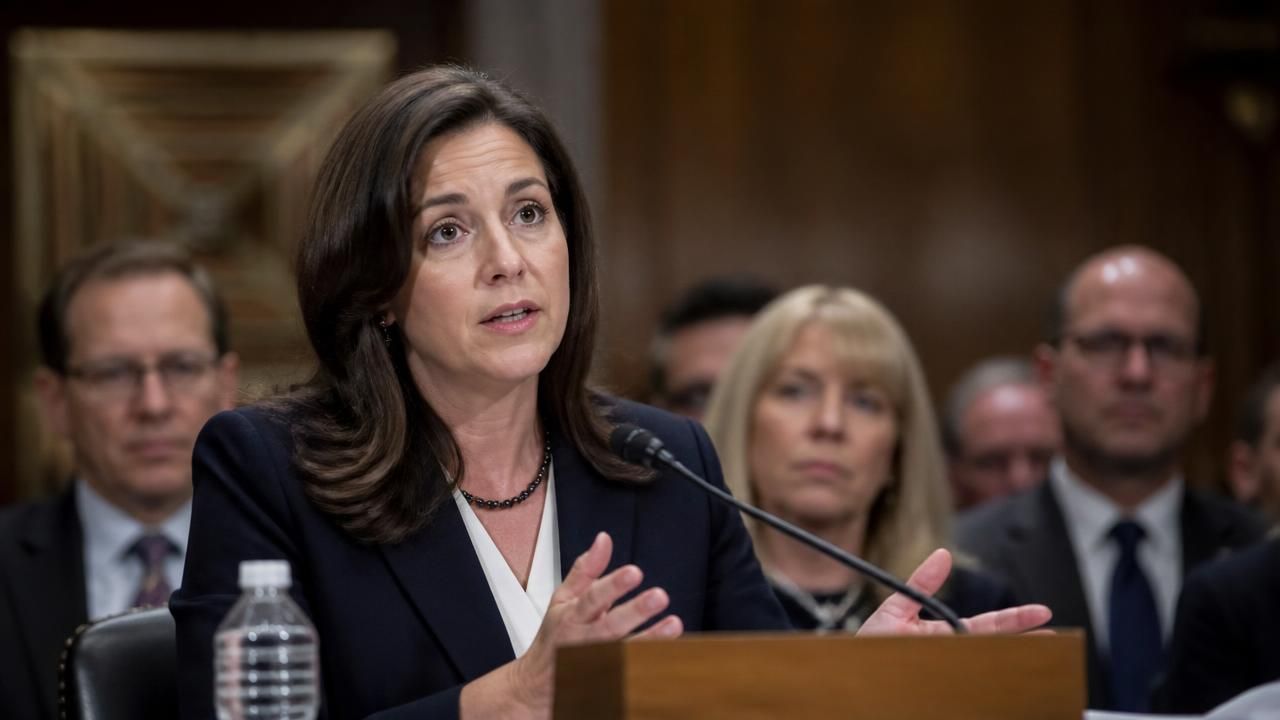
The hearing, held on February 8, was marked by sharp exchanges. Senator Patty Murray (D-WA) pressed Schwartz on whether she would commit to keeping vaccine recommendations independent of political influence. In a moment that drew wide attention, Schwartz declared,
"I will never betray the science."She also promised to prioritize outbreak preparedness and to ensure that CDC guidelines are based on data, not ideology.
However, some senators remained skeptical. Senator Bernie Sanders (I-VT) challenged Schwartz on her past ties to the pharmaceutical industry, while others questioned her willingness to stand up to Kennedy, who has repeatedly cast doubt on vaccine safety. Schwartz insisted she would work collaboratively with HHS but said she would "always speak truth to power."
Qualifications and Experience
Supporters point to Schwartz's impressive resume. She holds a medical degree, a master's in public health, and a law degree. A former Navy officer, she served as chief medical officer for the U.S. Coast Guard and as deputy surgeon general during the first Trump administration. She has also been a vocal advocate for vaccines and global health security.
- Medical degree from the Uniformed Services University
- Master of Public Health from Johns Hopkins University
- Juris Doctor from the University of Maryland
- 22 years in the U.S. Public Health Service Commissioned Corps
"Dr. Schwartz is exceptionally qualified," said Senator Bill Cassidy (R-LA), a physician. "Her experience in military medicine and public health makes her the right person to lead the CDC."
Expert Doubts and Political Realities
Despite her credentials, some public health experts remain uneasy. A commentary in Healio noted that the hearing "sowed doubts about Schwartz's ability to lead the CDC," particularly given the political climate. The expert argued that Schwartz's conciliatory approach toward Kennedy might signal a willingness to compromise on core public health principles.
Others see her confirmation as a pragmatic choice. "The Senate had two options: confirm a qualified physician who might push back behind closed doors, or leave the agency in limbo," said Dr. Megan Ranney of the Yale School of Public Health. "Schwartz may be the best possible outcome under difficult circumstances."
The vote fell largely along party lines, with all but a handful of Democrats opposing and most Republicans in favor. Three Democrats joined the majority: Senators Joe Manchin, Kyrsten Sinema, and Catherine Cortez Masto.
What Comes Next
Schwartz assumes leadership of a CDC that faces enormous challenges: resurgent measles outbreaks, rising antibiotic resistance, and the looming threat of avian flu. She will also inherit a workforce that has been demoralized by political infighting. In her first statement after the vote, Schwartz said she would focus on "restoring trust in public health" and ensuring the agency remains "the gold standard for science."
Observers will be watching closely to see how she navigates the tension between the administration's vaccine skepticism and the CDC's public health mission. "Dr. Schwartz has a very difficult path ahead," said Dr. Tom Frieden, former CDC director. "She will need to be both a diplomat and a defender of science. The nation's health depends on it."