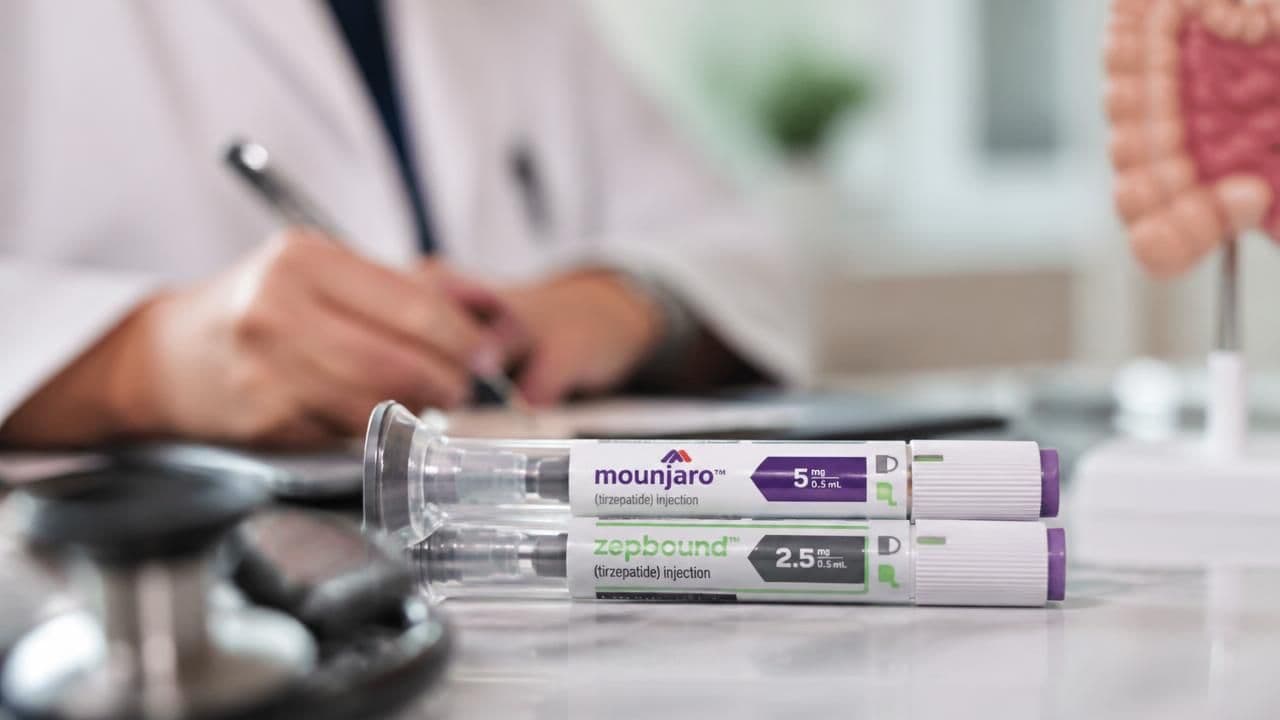
Later this month, the U.S. Food and Drug Administration (FDA) will convene a panel to consider easing restrictions on peptides—short chains of amino acids that have become a trending wellness craze. The move comes amid growing pressure from influential figures, including former presidential candidate Robert F. Kennedy Jr., who have touted peptides as a promising alternative to traditional pharmaceuticals. However, internal FDA documents reviewed by NPR reveal that agency scientists have flagged significant concerns about the lack of robust evidence for the efficacy and safety of these molecules.
What Are Peptides and Why the Sudden Interest?
Peptides are naturally occurring compounds that play a role in many biological processes, such as cell signaling and hormone regulation. In recent years, they have been marketed as a 'fountain of youth' for their purported benefits, including muscle growth, weight loss, anti-aging, and improved skin health. The trend has exploded, particularly among wellness influencers and biohackers, who often promote injectable peptides as a safe and effective way to enhance performance and longevity.
According to a report by Fox News, the peptide market is booming, posing a potential threat to Big Pharma's blockbuster GLP-1 drugs like Ozempic and Wegovy. 'It's the Wild West out there,' said Dr. John Smith, a physician quoted in the Fox News article. 'People are buying these peptides online and injecting themselves without any oversight. It's a recipe for disaster.'
FDA Scientists Raise Red Flags
Despite the hype, FDA scientists have expressed deep reservations. Internal documents obtained by NPR review the research on peptides and note a 'lack of good evidence of efficacy or safety.' The documents highlight that many peptide products are marketed as dietary supplements, which are not subject to the same rigorous pre-market approval as drugs. This regulatory loophole allows manufacturers to sell peptides without proving they are safe or effective.
Healthline echoed these concerns in a recent article titled 'Peptide Injections Touted as 'Fountain of Youth.' Spoiler Alert: They're Not.' The piece warns that influencers often downplay the risks, which can include contamination, allergic reactions, and unknown long-term effects. 'Just because something is natural doesn't mean it's safe,' wrote Healthline's medical reviewer.
The Political Angle: RFK Jr. and the MAHA Movement
The push to ease access to peptides has gained political traction, particularly from RFK Jr. and other figures in the 'MAHA' (Make America Healthy Again) movement. Kennedy, who has a history of questioning vaccine safety and promoting alternative medicine, has publicly supported peptides as part of a broader effort to reduce reliance on pharmaceutical drugs. An FDA panel is set to weigh easing limits on these unproven compounds, as reported by kvue.com (though the full article was inaccessible due to a permission error).
The Los Angeles Times, in a detailed analysis, explored the medical uses, efficacy, and patient safety of peptides. The article noted that while some peptides have legitimate medical applications—such as insulin for diabetes and certain hormones for growth disorders—the vast majority of products sold online lack clinical evidence. 'The difference between a drug and a supplement is often just a matter of regulation,' the Times quoted one expert as saying. 'But that regulation exists for a reason: to protect patients.'
A Cautionary Tale from USA Today
USA Today added a consumer-focused perspective, advising readers to 'proceed with caution.' The newspaper emphasized that peptides 'largely have been untested on humans' and that the long-term risks are unknown. 'Just because something is trendy doesn't mean it's safe,' the article warned. 'Do your research and talk to your doctor before trying any peptide product.'
What's Next?
The FDA panel meeting later this month could have far-reaching implications. If the agency eases restrictions, it could open the floodgates for even more peptide products to enter the market without rigorous testing. On the other hand, if the panel heeds the scientists' warnings, it may slow the trend and protect consumers from potential harm.
As the debate unfolds, one thing is clear: the peptide craze is a test case for how the FDA balances innovation, consumer demand, and safety in an era of rapid scientific advancement and political pressure. For now, experts advise caution. 'We don't know what we don't know,' said one FDA scientist in the NPR report. 'And that's exactly why we need more data.'