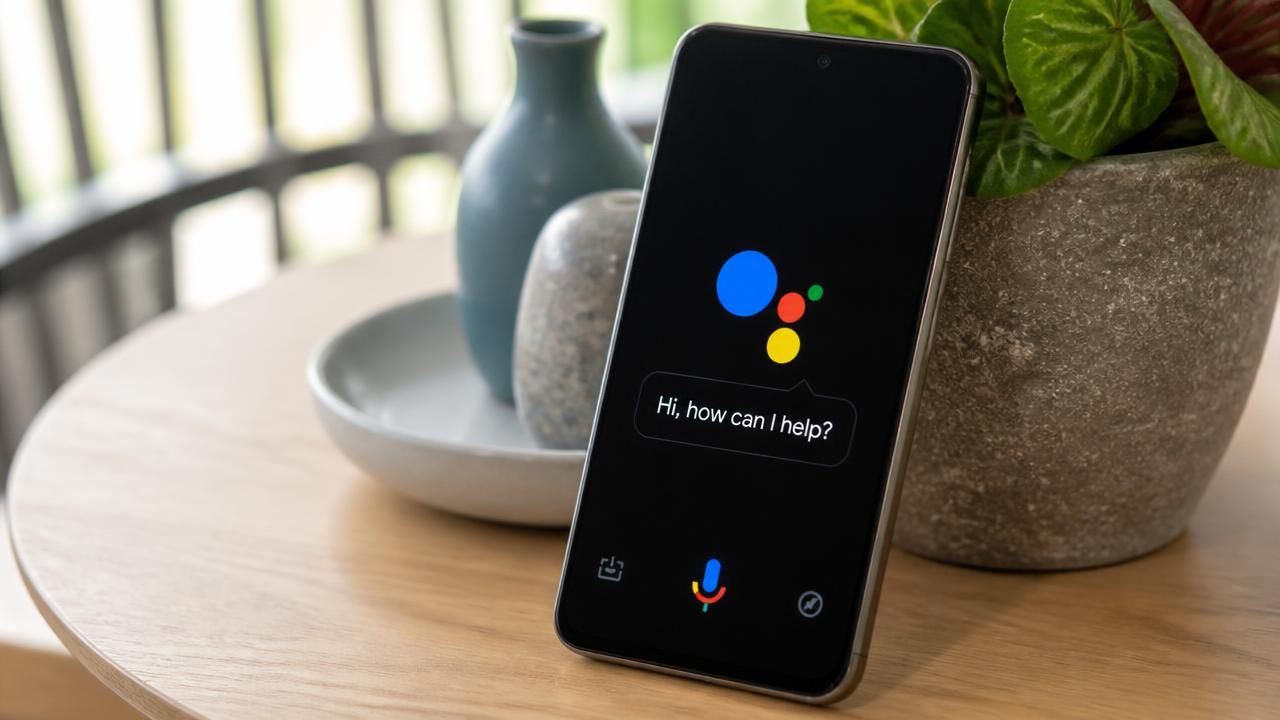
It is the end of an era for one of the most recognizable voices in tech. Google has officially confirmed that Google Assistant will be removed from Android phones and tablets, as well as paired devices like smartwatches and headphones, starting September 4. The move, first reported by 9to5Google and shared on Reddit via an email to users, marks the final chapter in a transition that has been underway since Gemini arrived on the scene.
“We will begin removing access to Google Assistant starting on 4 September,” the email reads, “and expect that this will be completed over the coming weeks.” The Verge has reached out to Google for confirmation, but the message aligns with Google’s long-stated plan to replace Assistant with its next-generation AI, Gemini.
A nine-year run comes to an end
Google Assistant debuted in 2016 alongside Android 7.0 Nougat, a release that GSMArena called “something to look forward to.” Coming after Google Now, Assistant was positioned as a conversational, proactive helper that could manage reminders, control smart home devices, and answer questions. Over the years, it expanded to Android Messages (just as Allo was dying), Ambient Mode on phones, and a dedicated Driving Mode. Android Central notes that Assistant is “a thing of the past after nearly a decade.”
The shutdown comes with a sense of finality. Android Pure reports that there is “no way to switch back” once Gemini takes over. Users on Android devices will see Gemini become the default assistant, and Google is also rolling out changes to the Pixel Launcher, including the removal of a long-standing Assistant shortcut, according to Android Central.
Users react: frustration and nostalgia
Not everyone is happy about the transition. The Sun reports that Android users are “raging” over the axing of the beloved feature. Many complain that Gemini, while more powerful, lacks some of Assistant’s reliability and simplicity. On Reddit, users have shared workarounds, laments, and tips for preserving Assistant functionality until the very last moment.
“It feels like Google is ripping out a part of my daily routine. Assistant was simple, fast, and worked everywhere. Gemini is still a work in progress.” — Reddit user comment, as reported by The Sun.
Complaints are not limited to the phone experience. Mashable reports that a key Google AI feature is no longer free on Gemini for Home, and users are unhappy with the paywall. Droid Life confirms that Gemini has already replaced Assistant on Home and Nest devices, bringing new features but also raising questions about privacy and reliability. Google is also replacing every single Gemini voice with new ones, a change that PhoneArena says could further disorient longtime users.
The bigger picture: AI is making the smartphone passé
Google’s pivot is part of a broader industry trend. As The New York Times notes, “A.I. Could Make the Smartphone Passé.” The rise of generative AI assistants like Gemini, ChatGPT, and others suggests that the smartphone itself might become less central as AI moves to wearables, glasses, and ambient computing. Google Assistant’s shutdown is thus not just a product decision but a signal of where the company believes the future lies.
VentureBeat once highlighted “10 ways Google Assistant can make people's lives easier,” and many of those use cases are now being transitioned to Gemini. But the shift also highlights a tension: in pushing ahead with AI, Google risks alienating users who relied on the simplicity of its older assistant.
Beyond phones: Android’s expanding ecosystem
The Assistant shutdown is happening alongside other Android-related developments. In the automotive world, Android Auto continues to be a pain point; Autoevolution reports an Android Auto bug that has gone unfixed for ten months. Meanwhile, GM is asking owners to be patient while it fixes infotainment issues, GM Authority notes. Cadillac has started switching on missing features in Australia, and Honda is preparing an updated ZR-V SUV for next month, both relying on increasingly complex infotainment systems.
These stories underscore a reality: as Android evolves, so do the devices and vehicles it powers. The Assistant’s removal is just one part of a larger transition to AI-first interfaces that will affect everything from phones to cars.
What happens next?
For users, the September 4 deadline means adjusting to Gemini. Google has already confirmed that Assistant will no longer be available on phones and tablets, but some features may still live on in other forms. The company has said it is not entirely killing Assistant Driving Mode, just losing its best feature, according to Android Central. And for those who want to access Assistant settings without the Google app, guides are already circulating (via Make Tech Easier) to help users navigate the transition.
Whether Gemini lives up to its predecessor’s legacy remains to be seen. But one thing is certain: the Google Assistant we knew—the one that woke up to “Hey Google,” set timers, and played our playlists—is about to become a memory.
This article was compiled from multiple reports, including The Verge, Android Central, Droid Life, The Sun, and others. Some sources were inaccessible at time of writing, but their headlines and available content were incorporated into this synthesis.