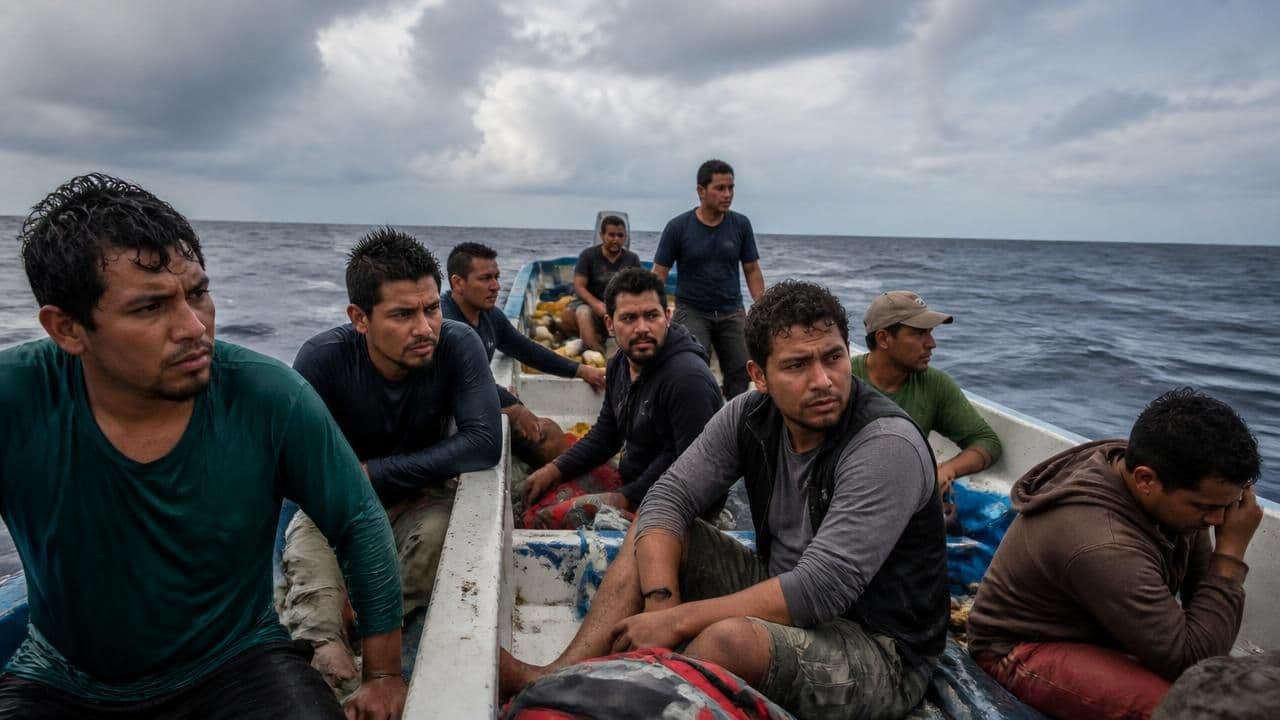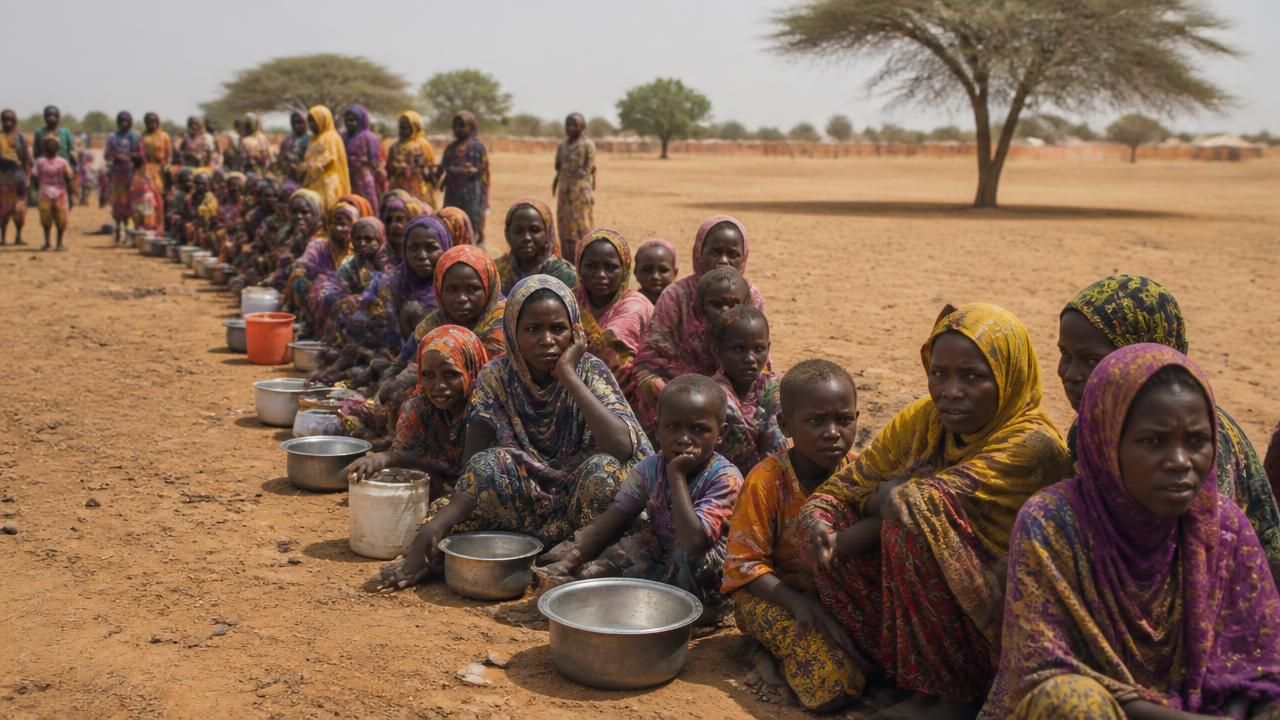
The United Nations has issued a stark warning: a rapidly developing El Niño weather system could plunge an additional 49 to 50 million people into acute hunger before the end of next year. The forecast, released by UN food and agriculture agencies, highlights the growing threat of climate-driven food insecurity in 45 countries already struggling with severe hunger. This new wave of suffering comes on top of hundreds of millions of people already facing dangerous levels of food deprivation due to prolonged droughts, conflict, and economic pressures.
A Looming Climate Shock
El Niño is a natural climate pattern characterized by warmer-than-average sea surface temperatures in the central and eastern Pacific Ocean. Its effects ripple across the globe, disrupting rainfall patterns, causing floods and droughts, and devastating agricultural production. The current El Niño is strengthening quickly, leading UN forecasters to revise their estimates upward. According to the Guardian, "about 50 million people are likely to be pushed into acute hunger before the end of next year." Meanwhile, other outlets, including MSN and WKZO, cite the UN agency's figure as 49 million, reflecting slight variations in modeling and reporting timelines.
The warning is not an isolated prediction but part of a broader pattern of escalating humanitarian need. The UN's World Food Programme (WFP) and Food and Agriculture Organization (FAO) have been tracking food insecurity in vulnerable regions, and the El Niño effect is expected to exacerbate an already dire situation.
Who Is Most at Risk?
The 45 countries identified are spread across multiple continents, but the hardest-hit regions are likely to be in Africa, Latin America, and parts of Asia. The Guardian's report specifically mentions "years of drought in parts of Africa" as a pre-existing condition that El Niño will worsen. In the Horn of Africa, countries like Somalia, Ethiopia, and Kenya have already experienced consecutive failed rainy seasons, pushing millions into crisis. El Niño often brings below-average rainfall to these areas, threatening to turn a severe situation into a catastrophic one.
In Southern Africa, the phenomenon can lead to both drought and flooding, damaging crops and livestock. Similarly, Central America's Dry Corridor – already a hotspot for food insecurity – faces likely crop failures. Asia's monsoon systems are also disrupted, hitting rice and wheat production in countries like India, Indonesia, and the Philippines. The UN stresses that the most vulnerable populations are smallholder farmers, pastoralists, and those living in conflict-affected zones, where access to food is already constrained.
Multiple Crises Converge
The El Niño warning comes against a backdrop of multiple overlapping crises. The war in Ukraine has dramatically escalated global food and fertilizer prices, a fact noted in the Guardian's article, which originally referred to "the war in Iran" but clearly means Ukraine. This conflict has disrupted exports of grain and sunflower oil, straining food systems worldwide. Additionally, lingering economic effects of the COVID-19 pandemic, high inflation, and rising debt levels have reduced the purchasing power of vulnerable households.
Climate change is another critical amplifier. While El Niño is a natural phenomenon, its impacts are increasingly severe because the planet is warmer than in the past. Warmer air holds more moisture, leading to more intense rainfall in some areas and prolonged droughts in others. The UN calls for a proactive response to prevent a humanitarian catastrophe, noting that early warning systems and pre-positioned resources can mitigate the worst effects.
Fragmented Media Coverage
In reporting this story, different outlets have emphasized different aspects. The Guardian provides the most detailed analysis, including the root causes and the specific number of countries affected. MSN and WKZO, on the other hand, offer more concise wire copy, focusing on the 49 million figure and attributing it to the UN agency. One source, peopledaily.digital, appeared to be attempting to load content but was blocked by a JavaScript challenge, leaving no substantive coverage – a reminder of the technical barriers that can impede timely news dissemination.
Call for Action
The UN is urging governments, donors, and humanitarian organizations to act now. In a statement, a senior UN official said (as quoted by the Guardian), "We are seeing a convergence of crises that is stretching the capacity of humanitarian systems to breaking point. The El Niño forecast is another clarion call for the international community to step up." The agency emphasizes the need for resilience-building measures, such as drought-resistant crops, improved irrigation, and social safety nets, alongside emergency food assistance.
Without immediate funding and action, the number of acutely food-insecure people could rise dramatically by mid-2024. The UN estimates that the cost of averting this crisis is far lower than the cost of responding to its aftermath. As the world grapples with multiple emergencies, the El Niño warning is a sobering reminder that climate change is not a distant threat but a present-day driver of hunger and suffering.
Looking Ahead
Forecasters will continue to monitor the strength and duration of the El Niño event. Historically, strong El Niños have been associated with widespread crop failures and spikes in global food prices. The international community has a narrow window to mobilize resources. The alternative is a deepening of the acute hunger crisis in dozens of countries, with millions more people facing famine-like conditions.
For now, the urgent priority is to scale up humanitarian aid to the most affected regions and to invest in long-term climate adaptation. The UN's warning is not just a forecast; it is an appeal for solidarity with the world's hungriest and most vulnerable people.