As millions of Americans prepare to celebrate Independence Day, a brutal heat wave is engulfing much of the country, with the National Weather Service issuing heat warnings and watches for the Midwest and East. Temperatures are expected to shatter records in many places, posing serious health risks and threatening outdoor festivities. This extreme weather event is part of a broader pattern of climate disruptions worldwide, from Japan's heat-resistant rice trials to South America's failing soy crops under La Niña.
Record-Breaking Heat Across the US
The National Weather Service has warned that a dangerous heat wave will intensify through the July Fourth weekend. According to NPR, heat warnings and watches cover a vast area from the Midwest to the East Coast. The New York Times provides a day-by-day forecast showing temperatures soaring well above 90°F (32°C) in many cities, with high humidity making it feel even hotter. PBS News reports that meteorologists are particularly concerned about the combination of heat and humidity, which can lead to heat-related illnesses.
“This is a significant and potentially deadly heat event,” said a National Weather Service meteorologist. “We urge everyone to take precautions, stay hydrated, and limit outdoor activities during peak heat hours.”
In cities like Chicago, St. Louis, and Washington, D.C., officials have opened cooling centers and extended pool hours. The heat wave is expected to peak on July 4th, with some areas possibly breaking all-time records.
Global Climate Challenges: Japan's Rice Shortage
While the US grapples with heat, Japan is facing a rice shortage exacerbated by extreme weather. Reuters reports that farmers are testing heat-resistant rice varieties as traditional crops struggle under rising temperatures. The shortage has led to empty shelves in some supermarkets and raised concerns about food security.
“We need to adapt quickly,” said a Japanese agricultural researcher. “Heat-tolerant strains could be a lifeline, but they require years of development and testing.”
The rice crisis is a stark reminder of how climate change impacts staple crops, with implications for global food supplies.
La Niña's Grip on South American Soy
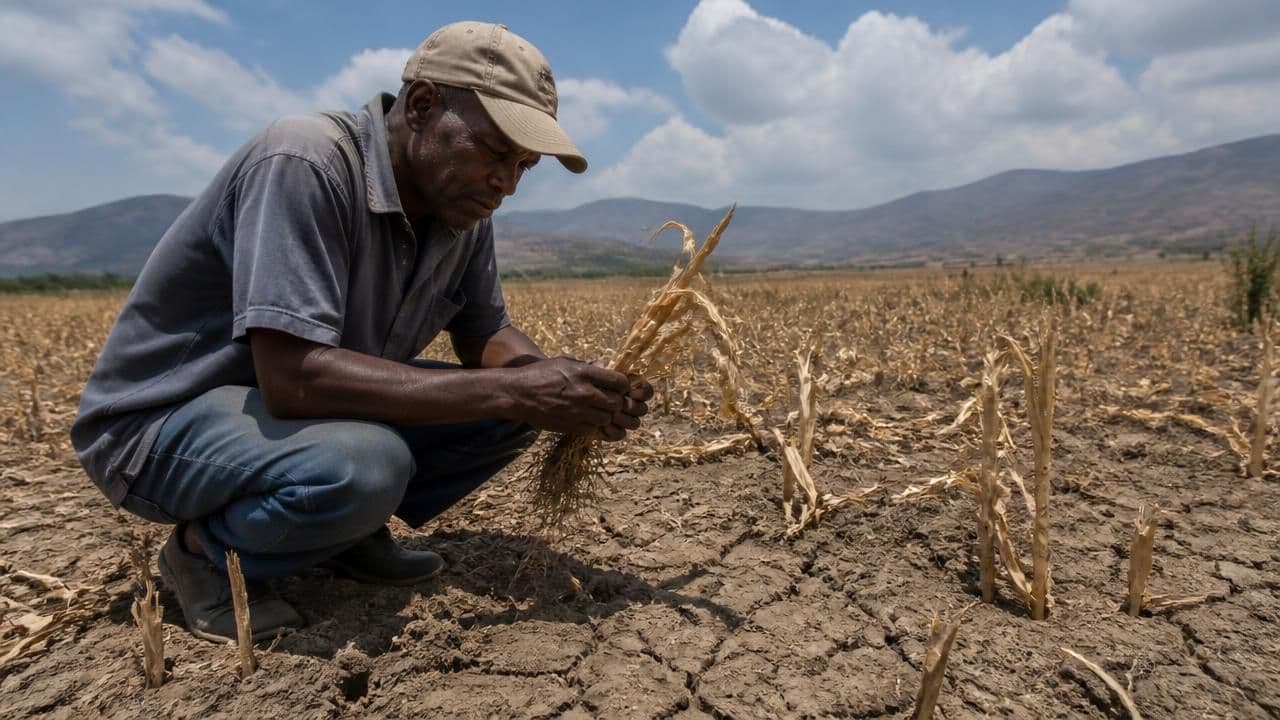
In South America, a separate climate phenomenon—La Niña—is devastating soy production. Reuters reports that soy health has “tumbled” across the region, with drought conditions reducing yields in Argentina, Brazil, and Uruguay. La Niña, characterized by cooler Pacific Ocean temperatures, often brings dry weather to parts of South America.
Farmers are facing significant losses, and global soy prices have risen. The situation highlights the interconnectedness of climate patterns and agricultural economies.
A Broader Context: Climate Extremes Converge
These disparate events—US heat wave, Japanese rice shortage, and South American soy failure—are linked by a common thread: climate change. Scientists warn that extreme weather events are becoming more frequent and intense. The US heat wave is consistent with a warming planet, while La Niña's impacts are amplified by higher baseline temperatures.
Experts emphasize the need for adaptation and mitigation. “We must invest in resilient crops, improve forecasting, and reduce greenhouse gas emissions,” said a climate scientist. “Otherwise, we will see more of these overlapping crises.”
What to Expect This July Fourth
For Americans celebrating July Fourth, the immediate concern is staying safe. The National Weather Service advises:
- Drink plenty of water, even if you don't feel thirsty.
- Avoid strenuous outdoor activities during midday heat.
- Check on elderly neighbors and those without air conditioning.
- Never leave children or pets in parked cars.
Fireworks displays may be canceled or rescheduled in some areas due to heat and fire risk. Meanwhile, the global picture reminds us that heat waves are not just a US problem—they are a worldwide challenge demanding urgent action.