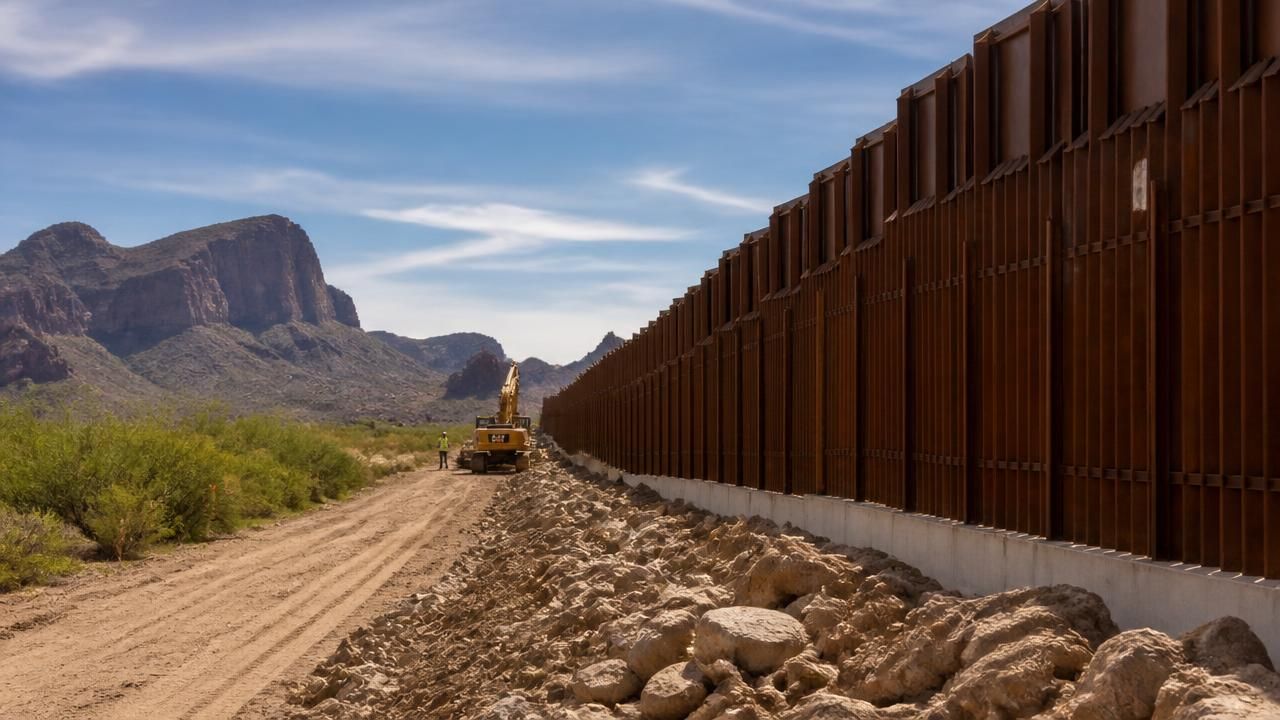
The U.S. Supreme Court has cleared the way for the Trump administration to continue building a border wall in West Texas, including in Big Bend National Park, while a lawsuit challenging the plan moves through the courts. The administration filed an emergency relief request with the high court earlier in October, asking the justices to let construction proceed during the litigation, according to NPR News.
The order is an interim victory for the administration and a significant development in the long-running dispute over border barriers along the U.S.-Mexico boundary. It does not resolve the underlying lawsuit or decide whether the wall will ultimately be built. Instead, it allows work to continue in the meantime, a procedural posture that carries practical consequences for the remote park and the communities around it.
What the Court Did
The justices granted the administration’s request for emergency relief, according to accounts from NPR, HuffPost, MSN and other outlets. The practical effect is that construction can proceed in the Big Bend area after the project had been tied up in litigation. The Supreme Court’s action was described in headlines across outlets as allowing construction to “continue” or “resume” in West Texas along the Mexican border.
The case remains pending. The administration argued that construction should not be paused while the lawsuit unfolds; opponents argued that allowing work to go forward could cause harm before the legal questions are resolved. The Supreme Court’s emergency docket is often used when a government seeks urgent intervention, and such orders are frequently brief. They can shape the facts on the ground even when they do not settle the merits.
Why Big Bend Matters
Big Bend National Park is a vast and remote protected area in West Texas, where the Rio Grande marks the international boundary between the United States and Mexico. The park is known for its rugged landscape, biodiversity and dark skies, and it sits at the center of a dispute that pits border-security priorities against environmental and cultural concerns.
Construction in or near the park has drawn intense opposition from plaintiffs and advocacy groups, who say a wall would alter a sensitive landscape and impose lasting costs on the region. Supporters of the project frame it as part of a broader effort to control the border. The Supreme Court’s order does not endorse either side’s broader claims; it simply permits work to move ahead while the litigation continues.
Reaction and Competing Frames
The reaction from plaintiffs was blunt. One plaintiff described the Supreme Court’s decision as “horrific,” according to a headline from MSN, underscoring the emotional and political stakes for those challenging the project. The comment captures how the case is viewed not merely as a legal technicality but as a decision with consequences for a treasured national park and the border region.
“Horrific.”
Different outlets framed the ruling in distinct ways. NPR emphasized the procedural path: the Trump administration’s emergency request earlier in October and the fact that construction can continue while the lawsuit proceeds. HuffPost and MSN foregrounded Big Bend National Park and the plaintiff’s reaction. The international outlet Fakti.bg described the development as the U.S. Supreme Court allowing a border wall in West Texas along the Mexican border. The Baltimore Sun, a regional outlet, reported that the ruling clears the way for construction in Big Bend to resume. Together, the coverage reflects the story’s multiple dimensions: legal, environmental, political and regional.
What Happens Next
The underlying lawsuit will continue, and the Supreme Court’s order does not answer the central legal questions. That means the fight over the wall’s legality, funding and environmental impact is far from over. Construction crews may proceed under the order, but future court rulings could still halt or reshape the project.
The decision also highlights the growing role of the Supreme Court’s emergency docket in disputes over federal policy. When lower courts block or delay major projects, administrations increasingly turn to the justices for rapid relief. Such interventions can decide what happens on the ground long before a final judgment, making the court’s procedural choices deeply consequential.
- Who: The Trump administration, the U.S. Supreme Court and plaintiffs challenging the border-wall plan.
- What: The court allowed border-wall construction to continue in West Texas, including at Big Bend National Park, during litigation.
- When: The administration sought emergency relief earlier in October; the high court’s order followed.
- Where: West Texas along the U.S.-Mexico border, with Big Bend National Park at the center of the dispute.
- Why it matters: The ruling affects construction timelines, the park’s landscape and the legal fight over border policy.
For now, the practical result is clear: the administration can keep building while the courts continue to weigh the case. The broader question—whether the wall should be there at all—remains unresolved.