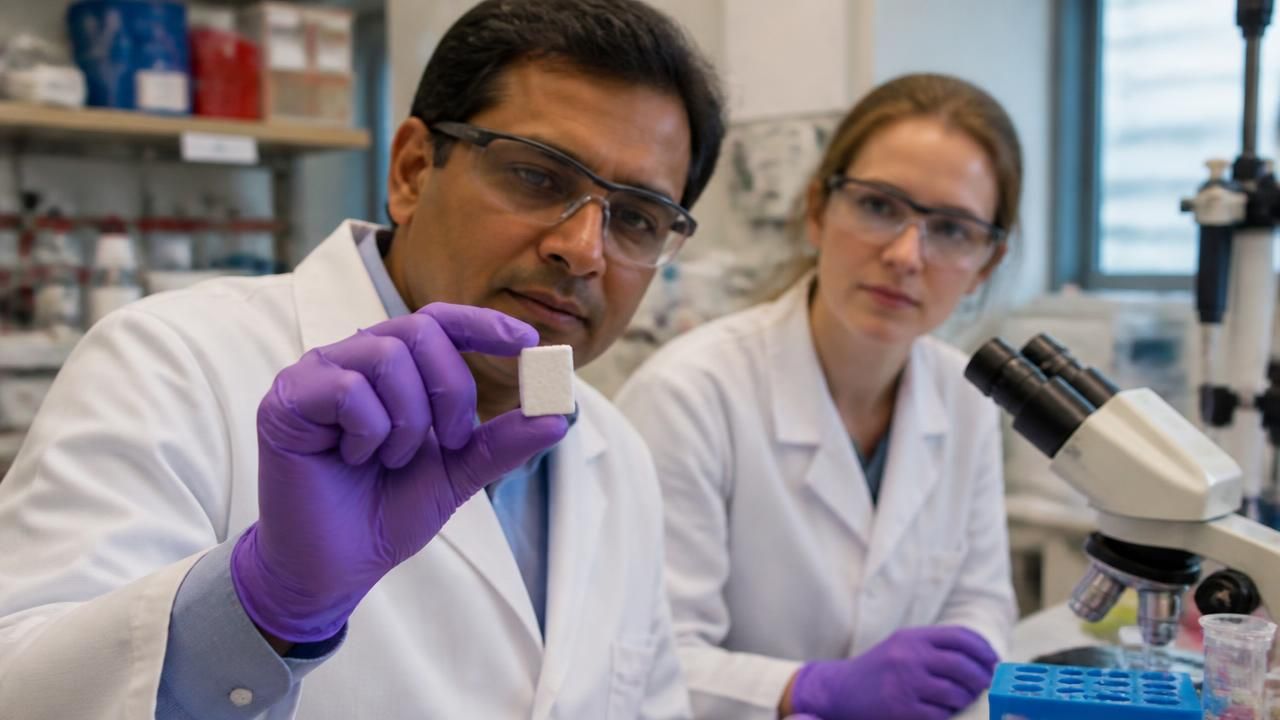
Chewing gum is usually associated with fresh breath and cavity prevention. But a new bioengineered gum developed at the University of Pennsylvania could one day play a role in cancer prevention. Early research suggests the gum reduces levels of human papillomavirus (HPV) in the mouth by up to 93% and nearly eliminates two bacteria linked to head and neck cancers, all while leaving beneficial oral microbes untouched.
- Reduced HPV by up to 93% in initial tests.
- Nearly eliminated two cancer-associated oral bacteria.
- Preserved beneficial oral microbiome.
- Clinical trials are expected to begin soon.
A Promising Weapon Against Oral Pathogens
According to research highlighted by Science Daily and other outlets, the specially engineered gum reduced HPV by up to 93% and almost wiped out two bacteria tied to head and neck cancer. The findings offer hope for a “safer and more affordable therapy” than current interventions, which often involve surgery, radiation, or chemotherapy.
The research comes from a team at the University of Pennsylvania, whose work was covered by The Brighter Side of News and other outlets. The gum is described as “bioengineered” — designed to bind and neutralize specific pathogens in the oral cavity.
How the Gum Works
While the full mechanism is still under investigation, the gum appears to act like a targeted trap. It leverages engineered proteins to recognize and neutralize harmful microbes such as HPV and the bacteria Fusobacterium nucleatum and Porphyromonas gingivalis, both of which have been associated with head and neck cancers. Importantly, the gum does not kill beneficial bacteria, preserving the oral microbiome’s healthy balance.
“The treatment preserved beneficial mouth bacteria, raising hopes for a safer and more affordable therapy.”
That finding, highlighted in the Science Daily report, is critical. Conventional mouthwashes and antibiotics often have a broad-spectrum effect, wiping out good and bad bacteria alike. A targeted approach could reduce side effects and improve long-term oral health.
Why It Matters: HPV and Oral Cancer
Head and neck cancers affect more than 900,000 people globally each year, with hundreds of thousands of deaths. HPV, particularly HPV-16, is now recognized as a leading cause of oropharyngeal cancers, which affect the back of the throat, tonsils, and tongue. Meanwhile, the two bacteria mentioned above have been increasingly implicated in cancer progression. The gum offers a potential preventive measure that could be used daily, much like regular chewing gum.
Current prevention strategies include vaccination against HPV, but the vaccine doesn’t treat existing infections, and access is limited in some parts of the world. A cheap, self-administered gum could complement vaccination efforts, especially in high-risk populations.
Heading to Clinical Trials
According to MSN and AOL, the gum is expected to move into clinical trials soon. If successful, it could become one of the first “functional foods” or medical gums designed for cancer prevention. The timeline is still unclear, but the trajectory from lab bench to bedside is promising. Regulatory approvals will be required before it reaches consumers.
Different Frames, Same Promise
Media coverage has varied in tone. Science Daily focused on the hard numbers, reporting the 93% HPV reduction and the near-elimination of the two bacteria. Women’s Health Mag was more cautious, emphasizing that the gum “might help fight cancer some day” — a nod to the early stage of research. The Brighter Side of News highlighted the UPenn connection, while Dr. Bicuspid, a dental industry publication, asked somewhat skeptically, “Busting oral cancer with gum? Maybe?” This range of coverage illustrates both the excitement and the need for rigorous clinical validation.
What’s Next?
The research team plans to expand preclinical studies and initiate human trials. They will also need to determine optimal dosage, safety, and long-term effectiveness. If all goes well, we might one day see shelves stocked with gum that does more than freshen breath — it could save lives.
Until then, the findings serve as a compelling reminder that even the simplest daily habits can be reinvented through biotechnology.