The 2026 FIFA World Cup is not just about football—it is also about space. In a unique fusion of athletics and aerospace, NASA brought its missions to soccer fans in Houston, sent the official match ball to the International Space Station (ISS), and made a bold promise: if the United States wins the tournament, a soccer ball will travel to the Moon. This unprecedented collaboration, covered by outlets ranging from Space.com to USA Today, has captured the imagination of a global audience.
A Galactic Goal: The Trionda in Zero-G
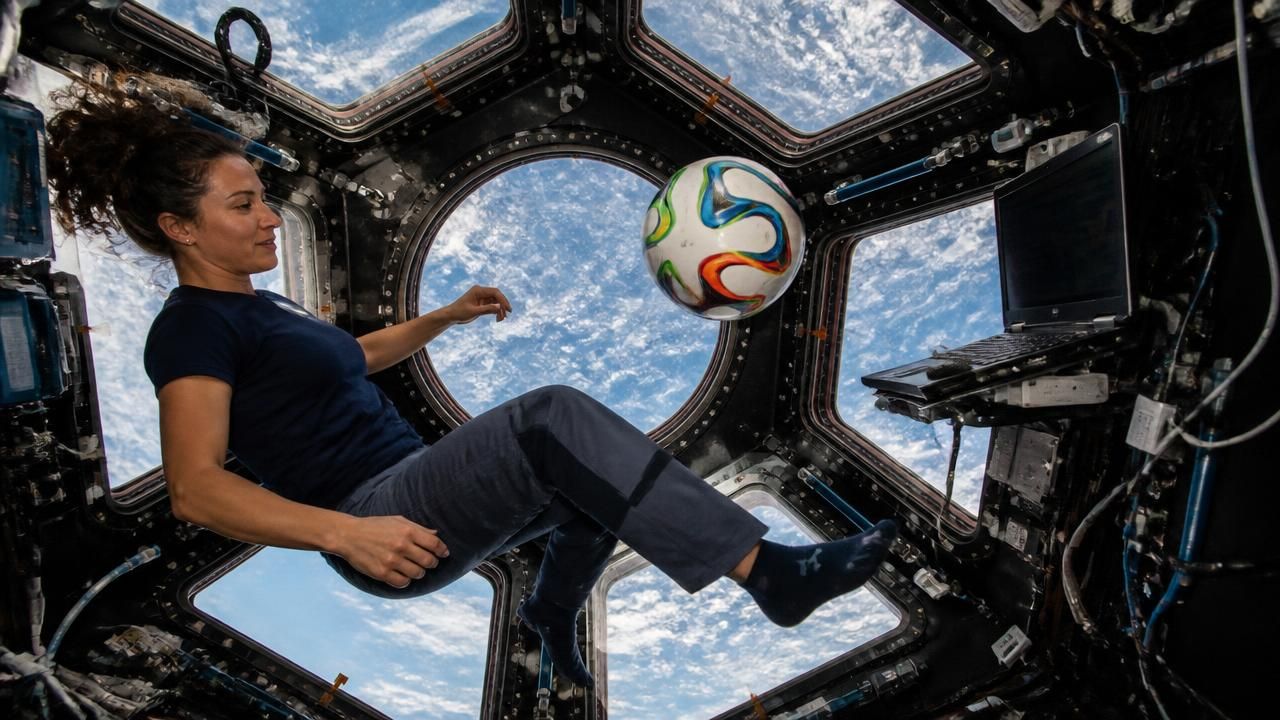
The official FIFA World Cup 2026 ball, named Trionda, has achieved a milestone before the tournament even kicks off: it traveled to the ISS, where astronauts tested its balance and movement in microgravity. Video released by NASA shows crew members playfully kicking and tossing the ball aboard the station, demonstrating how it behaves without the constraints of gravity. The experiment, as reported by multiple sources, aims to study the physics of a soccer ball in space—data that could inform future sports equipment design and, more broadly, our understanding of fluid dynamics and material behavior.
NASA's partnership with FIFA extends beyond the ISS. During the Fan Festival in East Downtown Houston, which ran from June 11 through July 19, the agency hosted a free interactive exhibit. According to NASA, more than 500,000 visitors explored the display, which featured the Artemis program, a Moon Base concept, the Orion spacecraft, a replica of the International Space Station, the Orion Crew Survival System suit, astromaterials, Hubble Space Telescope imagery, a Lunar and Mars Touch Table, and even a space-flown soccer ball. Space Center Houston added hands-on activities and photo opportunities, making the exhibit a highlight for fans of all ages.
NASA's Lunar Promise
One of the most talked-about stories emerged when NASA announced that it would send a soccer ball to the Moon if the U.S. wins the 2026 World Cup. This playful pledge, covered by USA Today and Yahoo, links the excitement of sports to the agency's ambitious Artemis missions. The ball would ride aboard a future Artemis flight, symbolically connecting the world's most popular sport with the next giant leap in human space exploration. While the promise is contingent on the U.S. team's success, it has already sparked conversations about how space agencies can engage with popular culture.
Bringing Space to the World in Houston
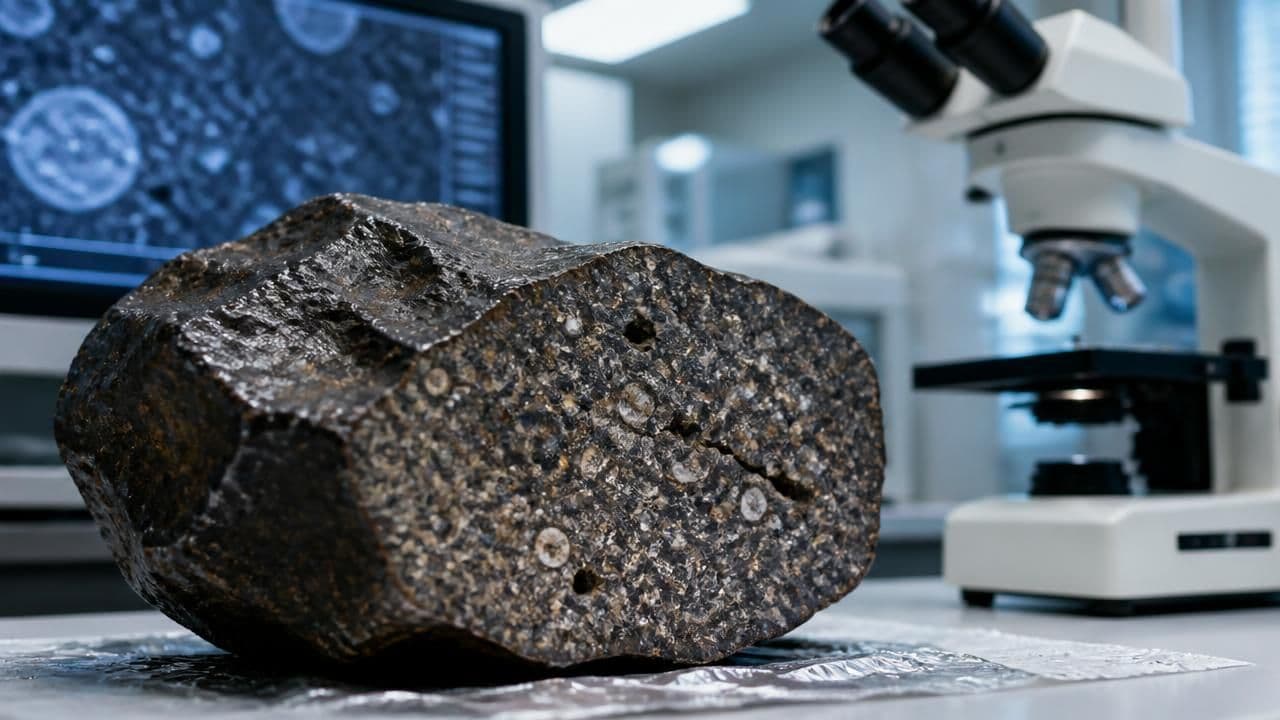
The Houston Fan Festival exhibit served as a bridge between space exploration and a global audience. Visitors had the chance to learn about NASA's role in benefiting life on Earth, from satellite technology to medical innovations. The exhibit emphasized the Artemis program, which aims to land the first woman and the next man on the Moon. Attendees could see an Orion spacecraft model, touch real lunar samples, and examine the suits astronauts will wear on future missions—made in collaboration with luxury fashion house Prada, as reported by Luxury Tribune.
The significance of Houston as a host city was not lost on NASA. Home to the Johnson Space Center, Houston is a hub of space history. The exhibit allowed NASA to showcase its achievements to an international crowd, many of whom were visiting the city for the first time. As noted by collectSPACE, the event brought together Artemis II astronauts and ISS crew members, who participated in activities and interacted with fans.
Context: The Artemis Era
The World Cup collaboration comes at a pivotal time for NASA. The Artemis II mission, the first crewed flight around the Moon in over 50 years, has captured headlines. After a successful splashdown, the crew was welcomed back in Houston, as reported by the BBC. The mission is a precursor to Artemis III, which will land astronauts on the lunar surface. The Artemis Accords, recently expanded to 50 nations with Panama and Austria signing, underscore the global nature of this new space age.
However, the road to the Moon has not been without challenges. The agency has faced budget debates, political pressure, and technological hurdles. Yet, as the Guardian noted, even former President Trump claimed credit for saving NASA while proposing budget cuts. The World Cup exhibit offers a more unifying narrative—space as a universal human endeavor that resonates with people across borders.
How the Story Resonated
Different outlets framed the story in distinct ways. Mainstream news like USA Today focused on the novelty of the lunar soccer ball wager. Sports-centric media, such as ESPN, drew connections to historical moments like the soccer ball that survived the Challenger explosion. Space-focused outlets, including Space.com, emphasized the science of ball behavior in microgravity and produced videos of astronauts having fun. Meanwhile, international media like RFI highlighted the broader context of the new age of Moon exploration.
This diversity of coverage illustrates the universal appeal of space and sport. As NASA continues to prepare for long-duration missions to the Moon and Mars, finding creative ways to engage the public is crucial. The FIFA World Cup partnership achieved that by reaching over half a million visitors in person and millions more online.
The Future of Space and Sports
The collaboration between NASA and FIFA may be just the beginning. As space travel becomes more accessible, with private companies like Blue Origin and SpaceX sending celebrities such as Michael Strahan, the intersection of sports and space is likely to grow. The concept of a "Space Bowl" or even a Super Bowl on Mars, as speculated by some outlets, may seem far-fetched, but it captures the imagination of a generation that sees space as the next frontier.
For now, the FIFA World Cup 2026 will be remembered not only for its thrilling matches but also for the moment a soccer ball floated gracefully inside the International Space Station, reminding us that no matter how far we explore, the beauty of the beautiful game can travel with us.