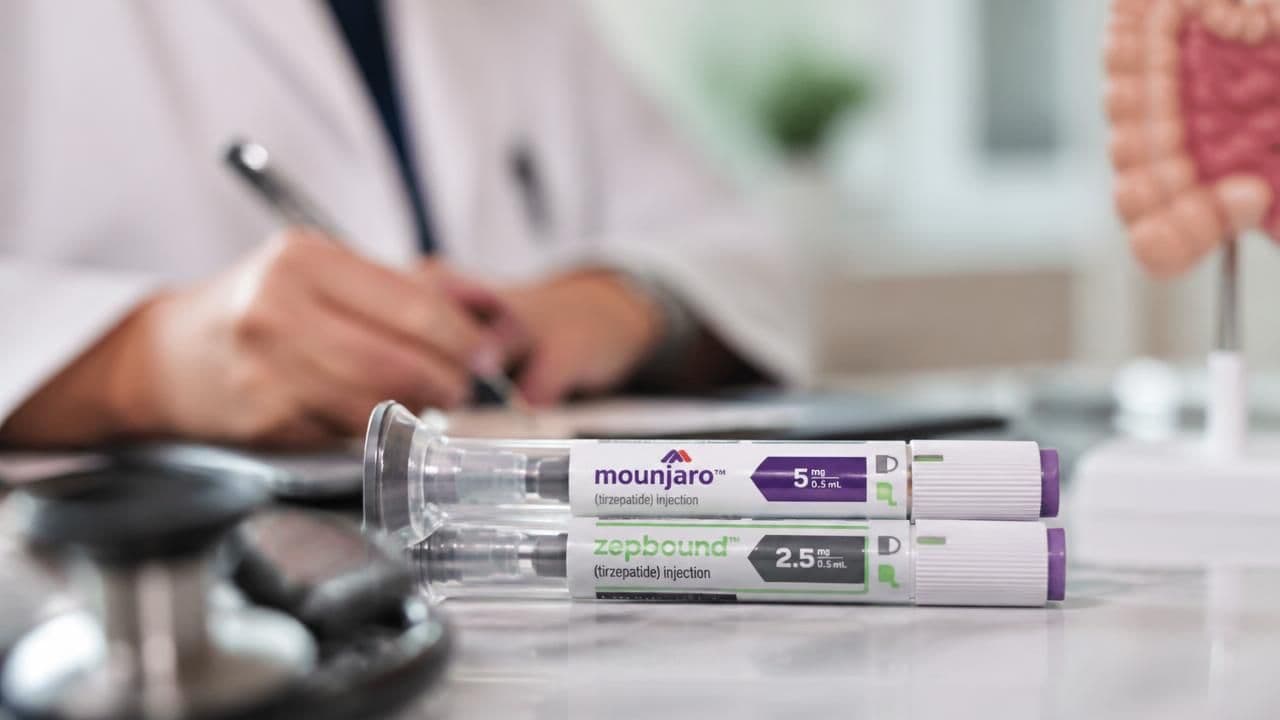
The FDA advisory panel recently voted to green-light some popular peptides, a decision that has brought enormous attention to the market for these products — and concerns about the unregulated supply. The vote comes as peptides appear in everything from cancer vaccines to collagen supplements, lip balms, and fitness regimens, and as regulators on both sides of the Atlantic grapple with how to keep consumers safe.
From Cancer Vaccines to Lip Balm: The Peptide Boom
Peptides are short chains of amino acids that occur naturally in the body and are now being harnessed in a dizzying array of products. In the consumer world, they have become a favorite ingredient in skincare, with serums, lip balms, and collagen supplements touting anti-aging and plumping effects. The market has exploded in recent years, driven by social media influencers and celebrity endorsements. Fitness influencers promote peptides as muscle-building and anti-aging wonder drugs, but health experts are ringing alarm bells. As Capital Current reports, many of these products are risky and unproven, and the online promotion often bypasses medical oversight.
"The decision brought enormous attention to the market for these products — and concerns about the unregulated supply." — NPR
Consumer Craze and Celebrity Endorsements
The commercial appetite for peptides is undeniable. A collagen supplement promoted by Jennifer Aniston was recalled from Costco shelves, while Health Canada seized unauthorized products from two Maple Ridge stores. In the UK, Aldi has launched a £2.99 dupe of the Hailey Bieber Rhode Skin peptide lip balm, and women's magazines are testing collagen skincare for "plump and bouncy skin." Even hair vitamins are being marketed with peptide-based claims. But experts caution that the evidence base for many of these products is thin, and the line between supplement, cosmetic, and drug is often blurred.
Regulatory Churn: FDA, Health Canada, and the Gray Market
The FDA advisory panel's green-light is a milestone, but it also underscores the regulatory gap. The agency has pulled a sleep peptide from shelves, and now it is back under review, with a hearing date that may decide its fate. In Canada, Health Canada has been actively seizing unauthorized peptide products, reflecting a broader crackdown. The recalls and seizures highlight the challenges of policing a market where products can be marketed as supplements, cosmetics, or drugs depending on the claim. Consumers are left navigating a gray market where quality and safety are unverified.
The Science of Stability: Making Peptides Last
Behind the consumer frenzy, scientists are tackling a fundamental challenge: peptide stability. An assistant professor at Kennesaw State University received an NIH grant to improve the preservation and storage of peptide- and protein-based drugs. MIT chemists discovered the structure of glucagon fibrils, a finding that could lead to more stable formulations. Researchers are even exploring unexpected sources: a peptide isolated from a Cerrado frog increases strawberry shelf life, suggesting applications beyond human health. Understanding peptide shelf stability is critical for both drugs and consumer products, as MSN notes, ensuring that these molecules remain effective from factory to medicine cabinet.
Peptides in Oncology: A Promise Beyond Anecdotes
The most promising area of peptide research is in cancer medicine. A small study found that a peptide vaccine could limit pancreatic cancer progression, one of the most lethal malignancies. Another study showed that a multi-peptide vaccine combination was tolerable in metastatic microsatellite-stable colorectal cancer. Nature reports a library of Neo Open Reading Frame peptides as a sustainable resource of common neoantigens in up to 50% of cancer patients, potentially enabling cost-effective personalized vaccines. These advances could transform cancer treatment, but they require rigorous clinical trials and careful manufacturing.
- Peptide vaccines are being studied for pancreatic cancer, colorectal cancer, and other solid tumors.
- A new library of neoantigen peptides could match up to 50% of cancer patients, opening the door to off-the-shelf vaccines.
- Stability and preservation remain major hurdles for peptide therapeutics.
Balancing Hope and Hype
The sources differ widely in how they frame the peptide story. Health and wellness outlets highlight the benefits for skin, hair, and fitness, while medical and scientific publications stress the need for evidence and regulation. Some call peptides a miracle; others call them a menace. The truth lies in between: peptides are biologically active molecules with real therapeutic potential, but they must be studied, regulated, and quality-controlled. As the FDA advisory panel deliberates and researchers push the science forward, consumers should be cautious about unproven products and consult healthcare providers before using peptides for health purposes.