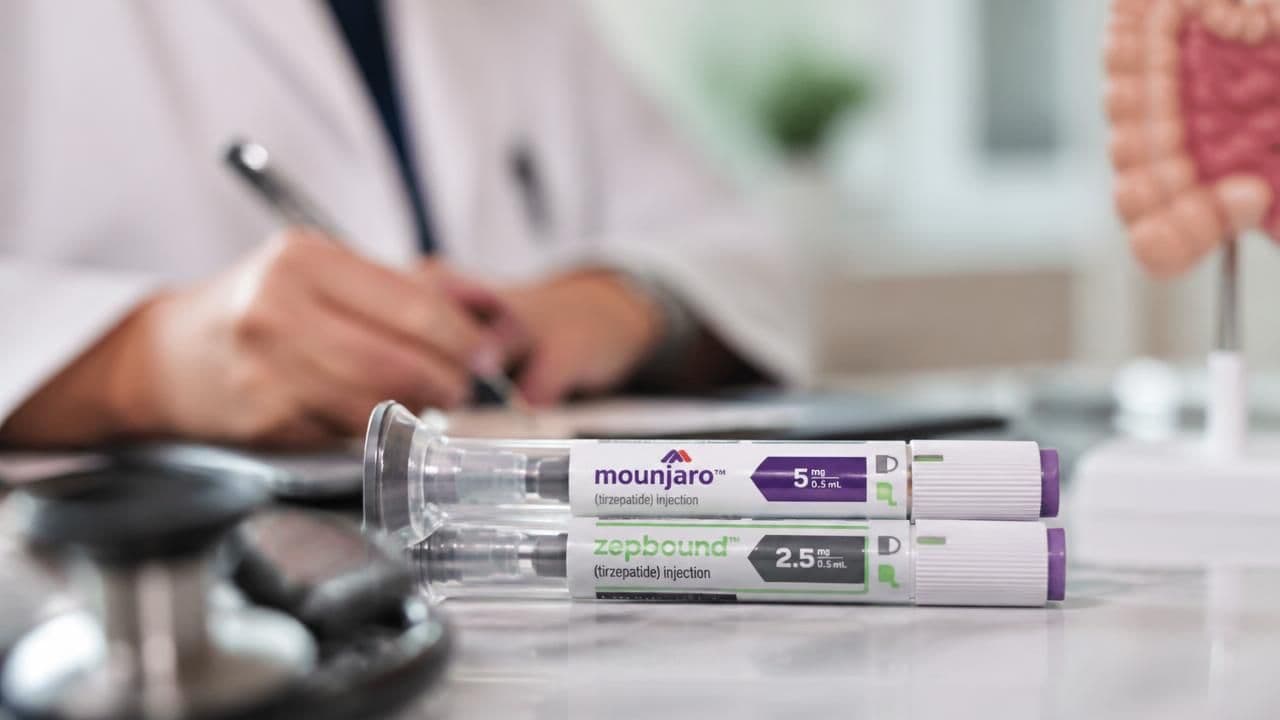
Statins are among the most prescribed drugs worldwide, credited with saving countless lives by lowering cholesterol and preventing heart attacks. Yet up to one in five patients report muscle pain, weakness, and exercise intolerance — side effects that often lead them to stop treatment. For decades, the cause remained a mystery. Now, two lines of research are transforming our understanding: one identifies a biological mechanism rooted in the immune system, and another suggests that many symptoms may be a "nocebo" effect, driven by the expectation of pain rather than the drugs themselves.
An Immune Culprit Behind Muscle Pain
Researchers at McMaster University and the University of British Columbia have uncovered what may be the long-sought link between statins and muscle discomfort. In a new study, the teams found that statins can activate a danger-signaling pathway in skeletal muscle that triggers inflammation — an immune response normally reserved for fighting infection or injury. This inflammatory reaction can cause the aching, weakness, and fatigue familiar to many statin users.
"Our findings reveal a mechanism by which statins cause muscle pain, and point to a way to block it without interfering with the drugs' cholesterol-lowering action."
The discovery, reported by outlets including ScienceDaily and Medical News Today, offers a plausible explanation for why only some patients experience side effects: genetic variations in the immune pathway may make certain individuals more susceptible. If confirmed, it could lead to treatments that protect muscle tissue while preserving the cardiovascular benefits of statins. The UBC team behind the study also suggested that an existing anti-inflammatory drug could potentially be used to "stop it," though further testing is needed.
The Nocebo Effect: When Expectation Feeds Pain
While the new mechanism is a major step forward, another wave of research has complicated the picture: many muscle symptoms attributed to statins are not caused by the drugs at all. A landmark individual randomised, placebo-controlled trial from the London School of Hygiene & Tropical Medicine found that statins had "no overall effect" on muscle pain compared with placebo. In fact, almost half of the participants who stopped treatment because of muscle symptoms were on placebo pills.
"These findings should reassure patients that statins are safe, and that the pain they feel may not be caused by the pill."
Other large-scale studies have echoed these results. A "massive study" covered by ScienceDaily concluded that most statin side effects are not caused by the drugs. The research, highlighted by Healthline, Prevention, and dicardiology.com, showed that serious muscle damage is extremely rare. Even in specific populations like those with ALS, statin use shows no adverse effect on survival.
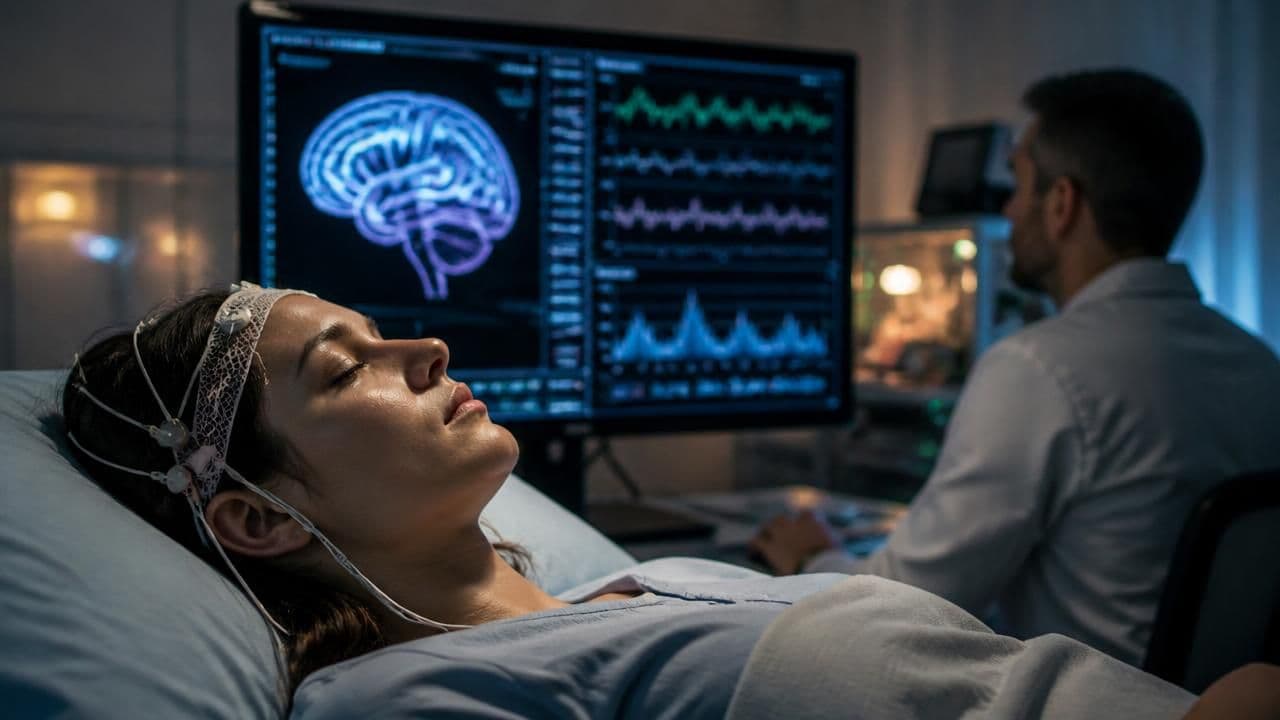
The phenomenon is known as the "nocebo effect" — the flip side of the placebo effect — where negative expectations produce real symptoms. When patients are told to expect muscle aches from statins, they may experience them even if they take a sugar pill. This does not mean the pain is imagined; the brain activates real neural pathways that generate pain. But it does mean that many people may be stopping life-saving medication unnecessarily.
Framing the Story: Different Outlets, Different Angles
The media coverage illustrates the tension between the two narratives. Men's Health and Prevention celebrate the scientific breakthrough with headlines like "After Decades of Mystery, Scientists Finally Have an Answer." Meanwhile, MSN and Verywell Health focus on the nocebo angle, with headlines warning that "the meds may not be to blame." Even within the same story, the nuance matters: millions of people genuinely suffer from statin side effects, while millions more may be attributing unrelated aches to their cholesterol pills.
Reassurance and Risk: New Tools for Patients
Given the confusion, researchers have developed practical aids. A new calculator, described in ScienceDaily, helps patients and doctors estimate the actual likelihood of muscle side effects based on age, sex, and medical history. A separate genetic test, reported by New Scientist, can identify individuals with a high risk of statin-induced pain, allowing doctors to choose alternative medications.
Questions about supplements like CoQ10 also persist. As UCLA doctors explain in their "Ask the Doctors" column, while some patients report benefit from CoQ10, evidence is mixed, and it should not be used as a substitute for statins.
The Bigger Picture: Statins Save Lives
Despite the side-effect controversy, the cardiovascular benefits of statins are overwhelming. Recent studies suggest statins may help nearly everyone with type 2 diabetes live longer, reduce vein blood clot risk in women on hormone therapy, and improve blood vessel health through mechanisms independent of cholesterol lowering — as Stanford researchers discovered. A study from Medical News Today also encourages older adults to consider statins for better heart health.
Cardiologists emphasize that untreated high cholesterol is far more dangerous. A controversial claim from The Telegraph, suggesting statins are a "waste of time," contradicts decades of evidence and has been robustly refuted by major medical bodies. As one expert put it, "The risk of severe muscle damage is extremely low; the risk of a heart attack is not."
Statins are not for everyone, and patients who experience muscle pain should speak to their doctors rather than stopping abruptly. But the new science offers a path forward: better risk prediction, potential new treatments to block the immune pathway, and a clearer understanding of the mind-body connection. For those truly unable to tolerate statins, new non-statin cholesterol-lowering drugs, such as PCSK9 inhibitors, offer alternatives.
What's Next?
The next steps are clear. Researchers will try to confirm the immune mechanism in larger human trials and test whether existing drugs can block it. At the same time, doctors will continue to educate patients about the nocebo effect, ensuring that fear of pain does not overshadow the proven power of statins to prevent heart disease, stroke, and premature death.
As the evidence evolves, one message remains constant: the decision to use statins should be a shared, informed choice between patient and clinician, based on individual risk, not anecdote or internet myths.