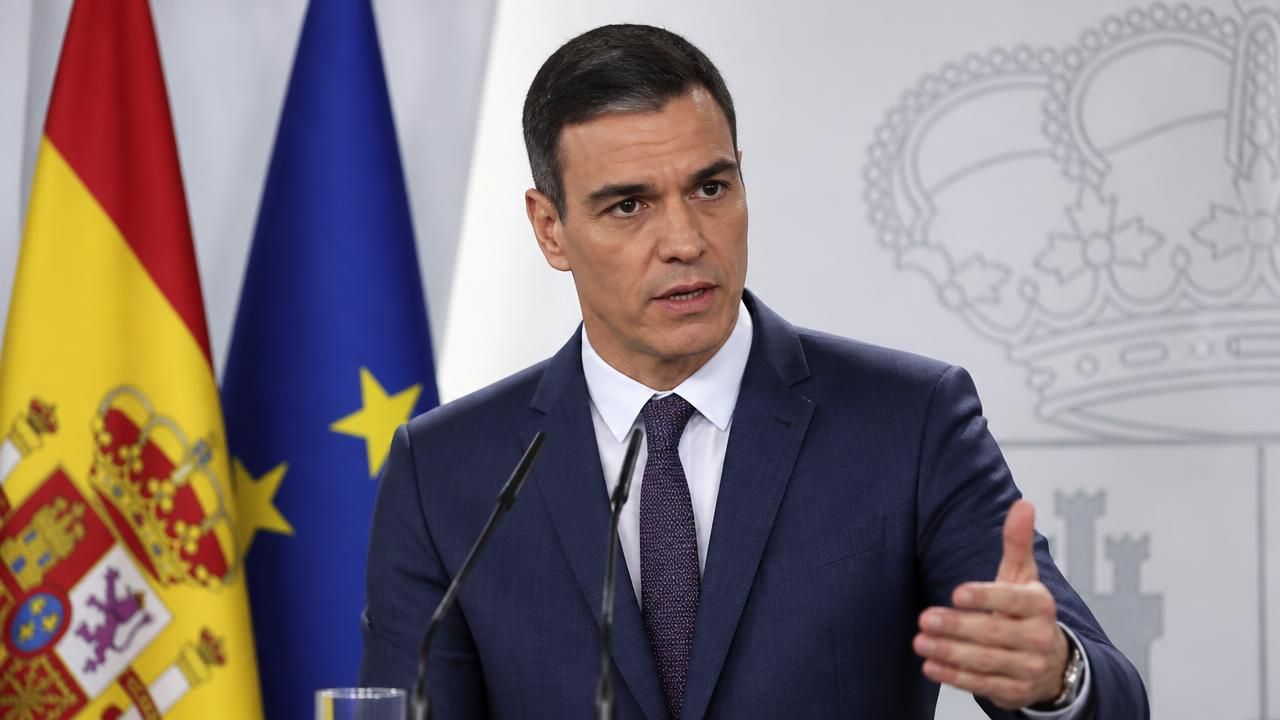
Spain's Prime Minister Pedro Sánchez has called for an urgent meeting of EU interior ministers after what he described as a 'selfish, polarising and unlawful reaction' from some member states to the mass border crossing into the Spanish enclave of Ceuta in North Africa. The crisis, which unfolded over just 48 hours, saw more than 50,000 people—including many unaccompanied minors—enter the territory from Morocco, overwhelming local authorities and sparking a diplomatic row within the European Union.
A Wave of Crossings and a Humanitarian Emergency
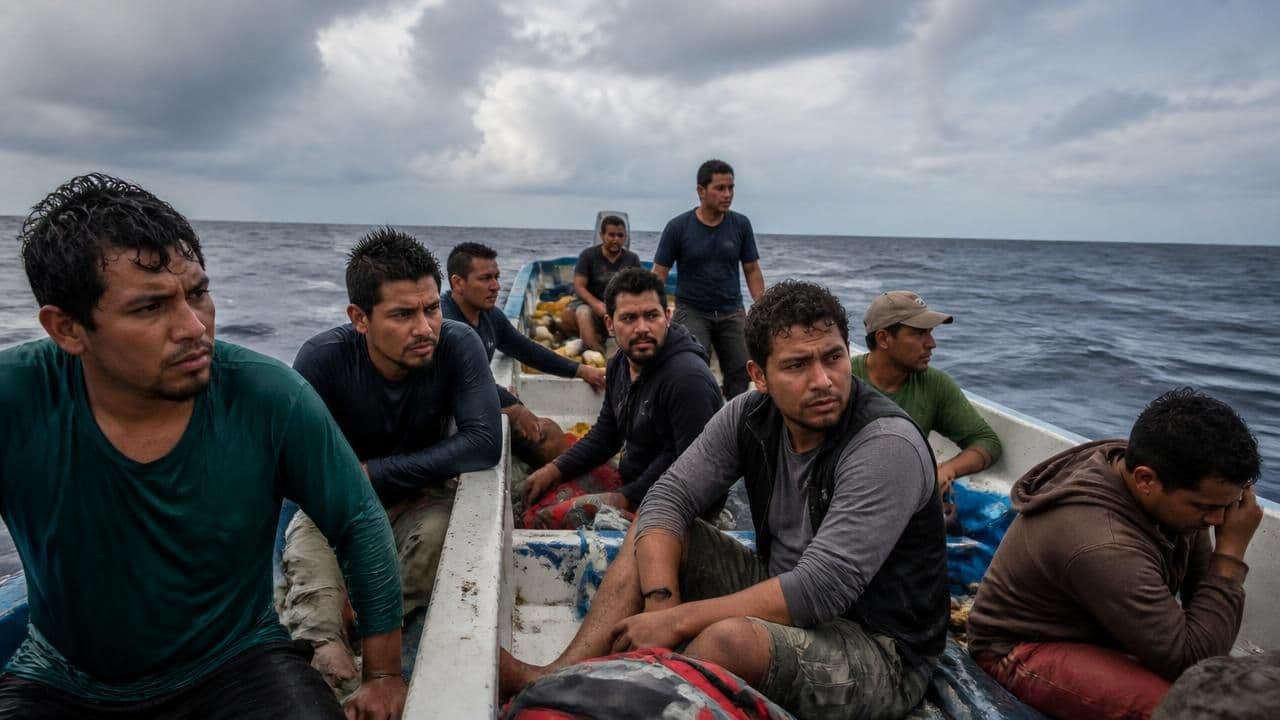
The influx began on Thursday and Friday, as thousands of migrants swam, waded, or scaled the breakwater barrier separating Morocco from Ceuta. At least 67 people died during the attempt—some drowned in the Mediterranean, while others were crushed in the chaos at the border. The death toll has been disputed, with the Italian newspaper Il Sole 24 Ore reporting 84 fatalities, though official Spanish figures remained at 67 at the time of writing.
Images of young men and families huddled along the seawall, alongside Spanish police deploying water cannons and tear gas, dominated global headlines. Local aid groups described the scene as a 'humanitarian emergency,' with Ceuta's population of roughly 85,000 struggling to accommodate the sudden arrival of thousands of migrants. Many were later returned to Morocco, but hundreds remained in temporary reception centres.
Spain's Call for Solidarity
In a letter addressed to Brussels, Sánchez did not mince words. According to The Guardian, he lambasted the 'selfish, polarising and unlawful reaction' of some EU countries, pressing for an extraordinary meeting of the EU's interior ministers to forge a united response. The letter, also reported by Le Monde and other outlets, explicitly criticized suggestions to suspend the Schengen Agreement, calling such proposals 'driven by ignorance or political interests.'
'We cannot allow migration to be used as a weapon or for political gain,' Sánchez wrote. 'Europe must respond with unity, not with walls.'
The Spanish leader's frustration was echoed by other EU officials who feared that the crisis could unravel the bloc's fragile consensus on migration. However, not all member states shared his view. Italy and Denmark, reportedly winning support from 22 EU countries, pushed for stronger external border controls and a more hardline stance against irregular migration. This coalition of member states argued that the Ceuta surge demonstrated the need for tougher enforcement at Europe's southern borders, a position that has gained traction since the 2015 refugee crisis.
Divergent Framings: From 'Selfish' to 'Radical Left
'The crisis quickly became a political football beyond Europe's borders. In the United States, former President Donald Trump weighed in, blaming 'radical left-wing policies' for the migrant surge—a narrative that the Spanish government rejected. A White House statement, reported by Inkl, described the situation as a 'catastrophe' and used it to criticize European progressive politics, a move that analysts saw as an attempt to polarize the debate.
Meanwhile, conservative outlets in Europe framed the crisis as a failure of open-border policies, while left-leaning papers emphasized the humanitarian toll and the need for safe migration pathways. The BBC highlighted Spain's criticism of the EU's 'selfish' response, noting that several countries had refused to take in migrants from Ceuta, leaving Spain to manage the crisis largely alone.
On the Ground: A Fragile Calm
By Monday, the immediate influx had slowed, with Reuters reporting a 'calm night' and the installation of a floating barrier in Ceuta's port—a measure intended to prevent future crossings. Spanish authorities began relocating migrants to mainland facilities, while health officials warned of COVID-19 risks in overcrowded camps. The Moroccan government, which had appeared to loosen border controls amid a diplomatic dispute over Western Sahara, remained silent on its role, though analysts suggested the move was deliberate pressure on Spain.
Geopolitical Undercurrents
The Ceuta crisis has laid bare the geopolitical fragility of Spain's North African enclaves. Ceuta and Melilla—Spain's only land borders with Africa—have long been flashpoints for migration, but this week's events were unprecedented in scale. According to a report from Russia's RusSpain news outlet, the crisis reflects 'shifting alliances' in the region, as Morocco seeks to leverage migration to extract concessions from Spain and the EU. The bilateral relationship between Madrid and Rabat has been tense over Spain's recent backing of Algeria's position on Western Sahara, a dispute that may have prompted Morocco to 'open the gates' as a warning.
Experts argue that the EU's inability to speak with one voice on migration is precisely what emboldens external actors like Morocco. 'Every time the EU shows division, we see the consequences at the border,' said one Brussels-based analyst. 'The Ceuta crisis is a symptom of a broader geopolitical chess game.'
What Next? The EU's Moment of Decision
Sánchez's demand for an urgent meeting has been supported by several EU leaders, but the bloc remains split. While Italy and Denmark push for militarized border control and fast-track deportations, Spain and other Mediterranean states stress the need for burden-sharing and legal pathways. The European Commission has called for 'solidarity and responsibility,' a formula that has yet to be translated into concrete action.
For the migrants who survived the crossing, the future remains uncertain. Many have been returned to Morocco, but those still in Ceuta face an arduous asylum process. Human rights organizations have urged Spain to treat the arrivals with dignity, warning that conditions in existing camps are below acceptable standards.
The Ceuta crisis is not merely a border incident; it is a test of the European project itself. As Sánchez's letter makes clear, the EU can either respond with 'unity and foresight' or risk being fractured by 'the politics of spectacle.' The coming days will reveal whether Europe chooses compassion or confrontation—and at what human cost.