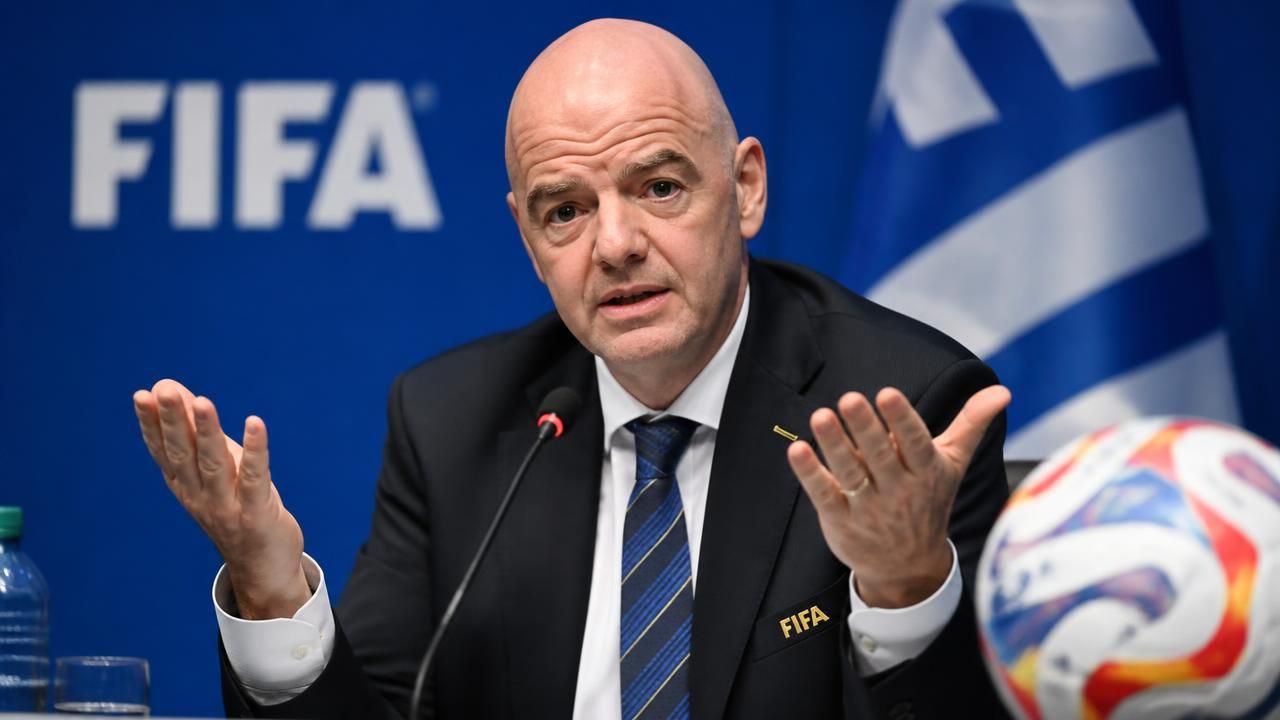
In a stunning reversal, FIFA has scrapped a controversial plan to sell minority stakes in the World Cup to private investors, just days after unveiling the proposal. The decision, confirmed by multiple sources, follows sharp condemnation from European football nations and a growing international backlash.
The Proposal That Sparked Outrage
Under the plan, FIFA sought to create a new commercial venture that would manage the rights to future World Cups, with the organization selling minority stakes to outside investors. Reports valued the deal at approximately $20 billion, making it one of the largest commercial moves in sports history. According to CNN, the proposal was intended to unlock new revenue streams for global football development.
However, the plan was met with immediate criticism. NPR noted that it 'drew sharp condemnation — and a boycott from European nations,' with several federations threatening to skip FIFA-sponsored events if the plan proceeded. The Guardian echoed this, citing 'widespread backlash' from within the football community.
Why the Plan Collapsed
The tipping point came when European nations, led by key football associations, signaled they would boycott competitions associated with the deal. According to the New York Post, sources confirmed the plan was scrapped after this European boycott and global outrage. Business Day added that an investor pullout also contributed to FIFA's snap decision.
Critics argued that privatizing World Cup rights would compromise the integrity of the tournament and undermine the sport's governance. Football associations worried that external investors would prioritize profit over the sport's development mission. One official told the Guardian, 'Football is not for sale; the World Cup belongs to the fans and the federations, not to hedge funds.'
“Football is not for sale; the World Cup belongs to the fans and the federations, not to hedge funds.” — A European football official cited by The Guardian
Fallout and Defenses
While FIFA has not issued an official public statement, multiple sources confirm the reversal. Stuff.co.nz reported that New Zealand Football defended the speed of its response, saying its opposition was registered immediately once the plan was revealed. Football360 provided an explainer calling the episode a 'swift and unprecedented retreat.'
Some insiders say the quick reversal reflects a fear of isolation from top European leagues and national teams. The plan had been seen as a way to secure financing for FIFA's ambitious projects, including expanding the World Cup to 48 teams and increasing prize money. But the backlash shows that traditional football stakeholders still hold significant sway over FIFA's direction.
Broader Implications
The scrapped deal raises questions about FIFA's financial strategy and governance reform. Since the corruption scandals of 2015, FIFA has sought to modernize its operations, but this episode suggests that private equity-style investments remain a third rail.
- Financial impact: FIFA may now need to find alternative funding sources for its planned expansion projects.
- Governance: The backlash reinforces that member associations expect transparency and democratic decision-making.
- Global football politics: European nations have demonstrated their ability to veto unilateral decisions by FIFA leadership.
The episode also highlights the tension between football's commercial ambitions and its cultural heritage. While the sport has embraced sponsorship and broadcasting deals, the sale of ownership rights to a core asset like the World Cup proved a step too far.
What's Next?
FIFA is likely to return to the drawing board, seeking more modest partnerships with established corporate sponsors rather than equity investors. The organization may also engage in broader consultations with member associations before making any similar proposals.
For now, the World Cup remains under FIFA's exclusive control, and the status quo has been restored—but the underlying financial pressures that drove the plan have not disappeared. As the football world digests this reversal, the broader debate over how to fund the sport's future is far from over.
This article incorporates reporting from NPR, The Guardian, CNN, New York Post, Business Day, Stuff, Football360 and other outlets.