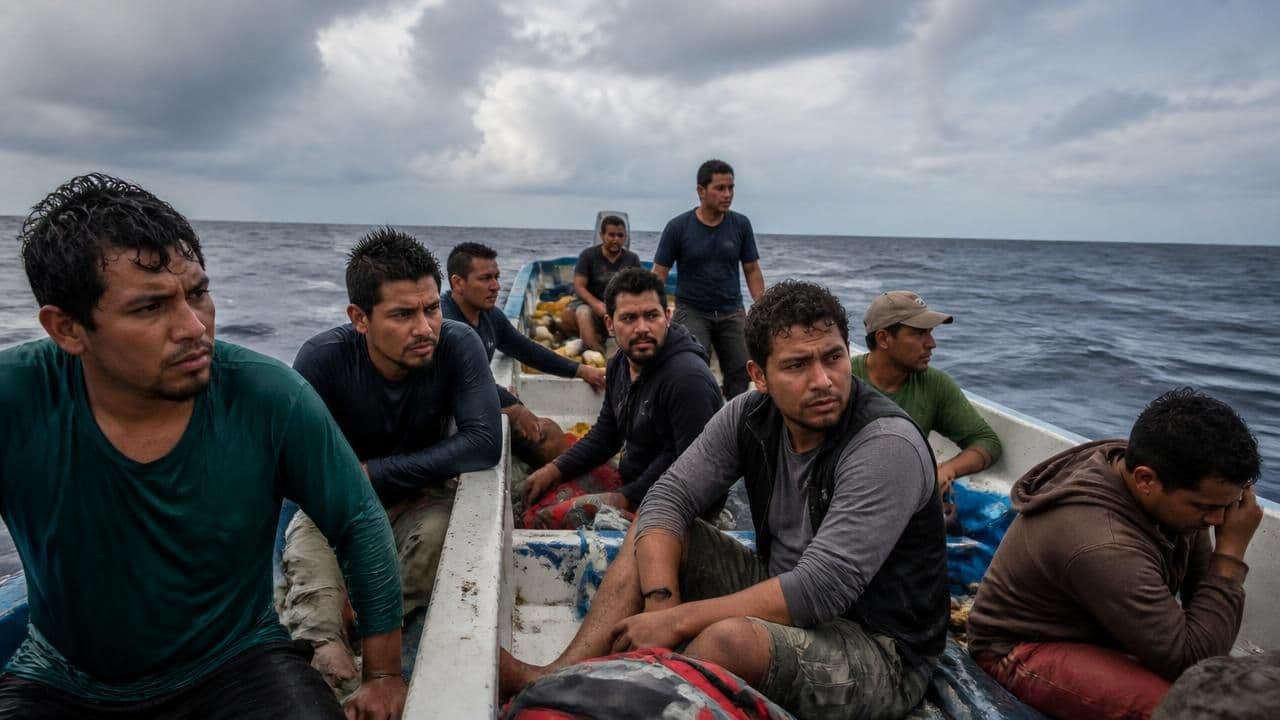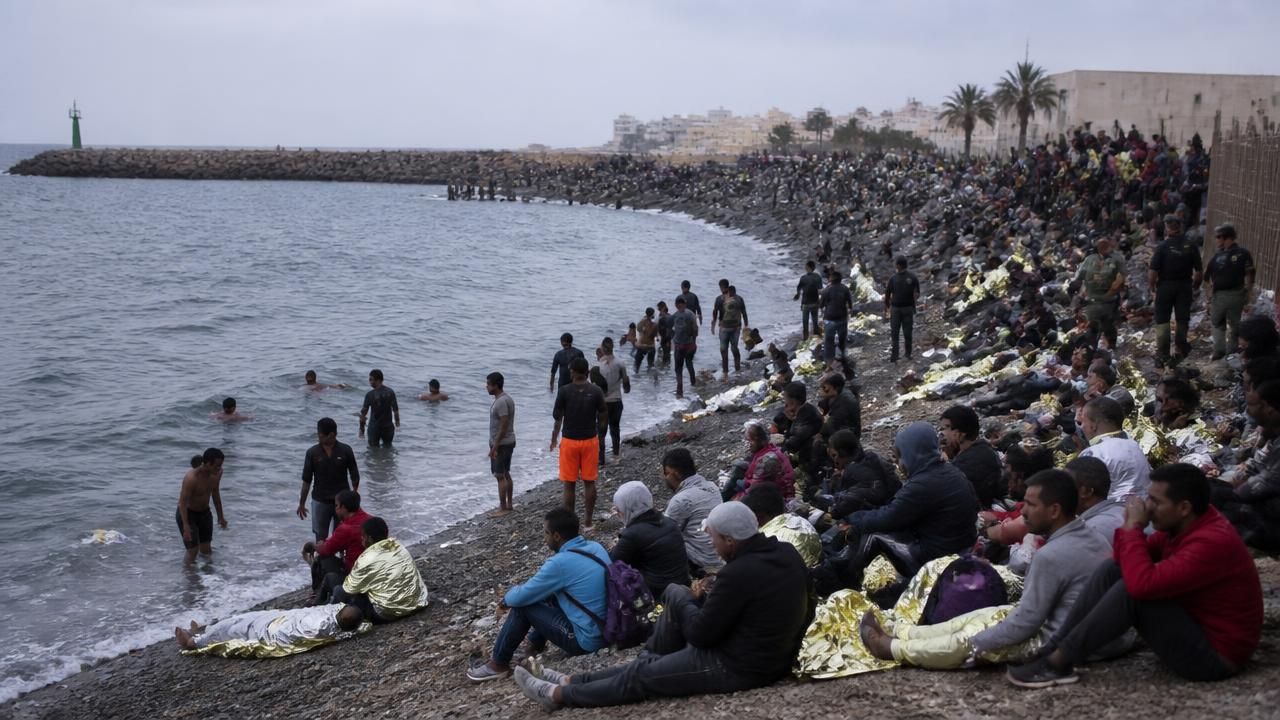
The Spanish enclave of Ceuta is on the brink of a humanitarian crisis after nearly 49,000 migrants stormed the border from Morocco in a single 24-hour period. At least 18 people died during the desperate crossing, according to Spanish officials, with many drowning in the Mediterranean and others crushed in a deadly stampede at the Tarajal border crossing. The influx has overwhelmed the tiny territory's infrastructure and forced Spain to rush in military and police reinforcements.
A Record Breach on the North African Coast
In what is being described as the largest single-day incursion in the enclave's history, migrants arrived both by land and by sea. Some swam around the breakwaters that jut into the Mediterranean, while others scaled the double fences that separate Morocco from the Spanish-administered territory. Many used inflatable boats and even makeshift rafts. Spanish authorities confirmed that at least 18 bodies had been recovered, though the death toll could rise.
“Some drowned and others were caught up in the crush,” a regional official told Spanish media, describing the chaotic scenes at the border.
The sheer scale of the movement caught Spanish officials off guard. By Thursday morning, an estimated 49,000 people had entered Ceuta, a city of just 85,000 residents. Thousands were seen sleeping in streets, parks, and plazas, while others were being processed by emergency services in makeshift reception centers. Local shops and bars closed as residents grew concerned about lawlessness, though no serious violence has been reported.
Spain’s Emergency Response
Spanish Prime Minister Pedro Sánchez announced on Thursday that he would travel to Ceuta on Friday alongside Interior Minister Fernando Grande-Marlaska to assess the situation. The government in Madrid deployed military units and additional national police officers to reinforce the enclave's border garrison. Defense Ministry sources said the troops were sent to support security operations and protect critical infrastructure.
The move echoed past escalations, but the scale is unprecedented. In 2014, around 1,000 migrants entered Ceuta in a single day; this week's figure is nearly 50 times that. The government has also activated a humanitarian response plan, including the establishment of a field hospital and the distribution of food and water.
The military deployment has drawn mixed reactions. Some residents welcomed it as a necessary measure to restore order, while others warned that the root causes of migration must be addressed. “We cannot treat this as a military occupation,” said Elena Valenciano, a Spanish MEP from the Socialist Party. “We need a diplomatic strategy with Morocco.”
Ceuta: A Flashpoint at Europe’s Southern Edge
Ceuta is one of two Spanish enclaves on the North African continent, along with Melilla. It has been a Spanish territory since the 15th century, but Morocco has long claimed sovereignty over it. The border is marked by high fences equipped with razor wire and surveillance systems, yet thousands of desperate migrants attempt to cross every year.
The enclave’s strategic location has made it a magnet for migrants from sub-Saharan Africa, the Middle East, and South Asia. Many bide their time in Moroccan cities like Fnideq and Tangier, waiting for an opportunity to breach the border. Smugglers often take advantage of such moments, charging thousands of dollars for passage.
Humanitarian Toll
Beyond the immediate deaths, the influx has stretched local resources to breaking point. Ceuta’s health center reported treating hundreds of injuries, including cuts from razor wire and hypothermia from long swims. Stéphane Dujarric, spokesperson for the UN Secretary-General, said the UN is “following the situation with concern” and urged both countries to ensure migrants’ rights are protected.
The Red Cross has set up tents in a sports hall to provide shelter, but aid workers say food and blankets are running short. “We are doing everything we can, but 49,000 people in a city this size is simply overwhelming,” said a Spanish Red Cross volunteer. Many migrants are now being bussed to a temporary camp on the outskirts, where they will be assessed and offered voluntary return to Morocco or relocation to mainland Spain.
How Different Outlets Are Framing the Story
The news coverage reveals widely varying emphases. The Guardian focuses on the human death toll and the crush at the border, noting that “thousands sleep on streets or in parks.” Right-leaning tabloids like The Sun highlight the security dimension, with headlines about Spain mobilising the army and “stores & bars close.” Meanwhile, SFGate offers a broader explainer on Ceuta’s geopolitical role, helping readers understand why the enclave is a flashpoint. The divergence underscores how immigration can be a deeply politicized subject, with some outlets prioritising security and others humanitarian concerns.
International Repercussions
Morocco’s role is crucial. Spanish officials have hinted that Rabat deliberately loosened border controls as a diplomatic pressure tactic, possibly over the Western Sahara dispute or recent Spanish hospitality to a Sahrawi leader. Though Morocco has denied involvement, Spanish Foreign Minister Arancha González Laya said she had “a friendly but very frank” conversation with her Moroccan counterpart. The episode threatens to strain relations between the countries, which are vital partners on migration control and counterterrorism.
The European Union has expressed solidarity with Spain but offered no concrete support. European Commission President Ursula von der Leyen said, “We face a common challenge that requires a coordinated European response.” However, migration experts argue that the Ceuta crisis is a symptom of a deeper structural imbalance: Europe’s border externalization strategy, which relies on front-line states like Spain and Morocco, is failing to address root causes.
What’s Next?
As Ceuta returns to an uneasy calm, Spain faces enormous logistical and political challenges. Repatriating or relocating thousands of migrants will take weeks, and diplomatic fallout with Morocco could last longer. Policymakers are calling for a comprehensive plan that combines border security, development aid, and legal migration pathways.
For now, the enclave remains under emergency measures, and the death toll may still rise. What is clear is that this week’s events will reshape the debate on migration in Europe. As local resident María Sánchez told reporters: “This is not just a border problem; it’s a human tragedy at our doorstep.” The world is watching to see how Spain—and Europe—responds.