As diplomatic efforts to end the US-Iran conflict intensify, the region remains on a knife's edge. In the past 48 hours, the United States and Iran have exchanged strikes across the Middle East for the second consecutive day, according to BBC reporting, while ceasefire talks have accelerated—raising hopes and fears in equal measure. Meanwhile, former US Congresswoman Jane Harman warned that the war has made every Middle Eastern country a target, citing a 'huge' danger of broader escalation that the US defense industrial base may not be prepared to handle (Bloomberg).
A War of Attrition and Diplomacy
Strikes and Counterstrikes
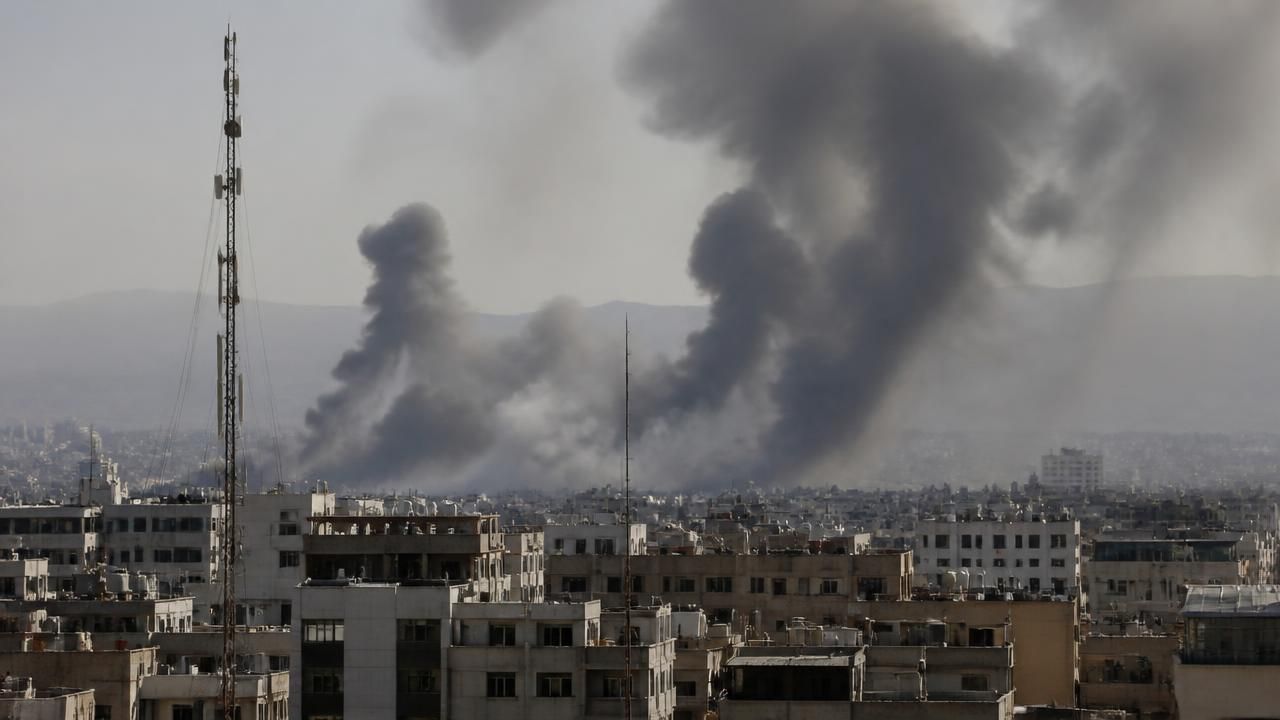
The military dimension remains intense. NBC News reported that Iran caused more extensive damage to US military bases than previously known, while the New York Times noted that Iranian attacks have forced US troops to operate remotely. Hezbollah launched a cross-border attack as Israeli strikes killed nine in Lebanon, according to France 24. The US and its allies have also been active: Saudi Arabia and the UAE carried out secret attacks in Iran, US officials told the New York Times. The Pentagon has confirmed a global coalition is forming, as the conflict draws in multiple actors (Middle East Forum).
Ceasefire Negotiations
Amid the violence, diplomacy has moved in fits and starts. A cease-fire deal appears within reach, officials told the New York Times, while President Trump said Iran talks are continuing at a 'rapid pace' (CBS News). Axios reported that Trump asked Muslim leaders to sign a peace deal with Israel after the Iran war ends, linking the Abraham Accords to any Iran deal (Reuters). However, Iran has not reached a decision on the US deal, denying Trump's claims (France 24). In a dramatic turn, Trump shut down Iran's response to a US peace proposal (France 24). Iran's Supreme Leader, meanwhile, claimed Trump made a deal 'out of desperation,' as the US lifted its naval blockade (BBC).
Regional and Global Implications
Concerns Among Allies
US allies in the Gulf are increasingly uneasy. Secretary of State Marco Rubio wrapped up a Gulf tour as allies shared concerns over the Iran peace accord (Reuters). Deep fractures in the Gulf over Iran have implications for everyone, including Australia, wrote ABC News, highlighting the global reach of the crisis. China stands to benefit from the Iran war regardless of any deal, according to Chatham House, as it positions itself as a key economic player.
Wider Geopolitical Ripples
Analysts warn the conflict is not isolated. The trajectory of the war impacts Ukraine and the Pacific, noted a Substack analysis by Mick Ryan, as US military resources are stretched across multiple theaters. The leaked Syrian government emails indicating weapons supplied to Hamas (Wikinews) add another layer of complexity, though this information remains unconfirmed.
Framing the Story
The coverage reveals how different outlets emphasize varying aspects. Bloomberg focuses on the strategic overstretch and defense industrial base concerns. The New York Times highlights secret coalition operations and the strain on US troops. France 24 and BBC capture the back-and-forth of diplomacy and violence. NBC and ABC underline the physical and geopolitical damage. Meanwhile, conservative sources like the Middle East Forum frame the war as requiring a global coalition, while Chatham House and Substack point to long-term shifts in power dynamics.
Historical Context
The current conflict is the latest chapter in decades of US-Iran tension, from the 1979 hostage crisis to the 2015 nuclear deal and its unraveling. The Trump administration's maximum pressure campaign and the killing of Qassem Soleimani in 2020 set the stage for today's open warfare. Now, with the region in flames, the stakes could not be higher: an escalating war risks drawing in Israel, Saudi Arabia, the UAE, and proxy forces across Lebanon, Syria, and Iraq—with potential spillover into the global economy, energy markets, and great-power competition with China and Russia.
What Comes Next?
As negotiations proceed, key questions remain: Will the ceasefire hold? Can the US and its regional allies contain the conflict? And what will the post-war Middle East look like? Former Congresswoman Harman's warning echoes: no country in the region is safe. The world watches as diplomats and generals vie for control over the outcome of a war that has already reshaped the Middle East.