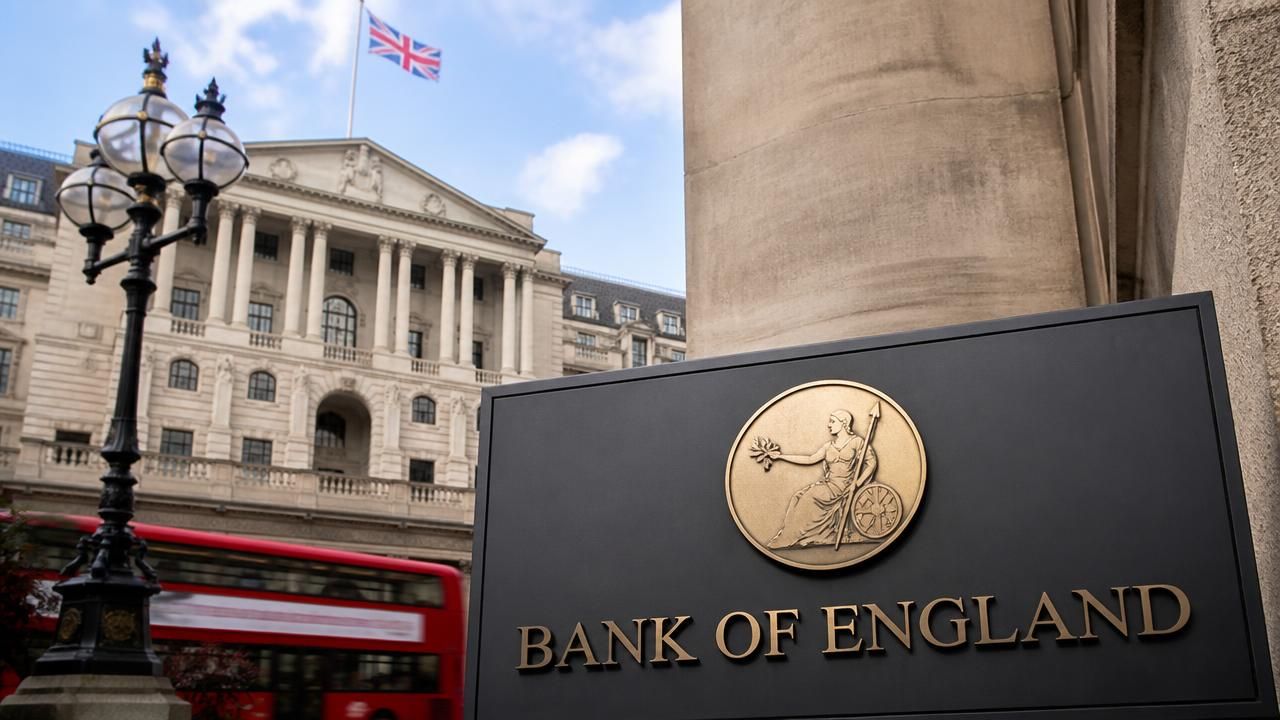
The Bank of England (BOE) left its benchmark interest rate unchanged at 3.75% on Thursday, as the Monetary Policy Committee (MPC) voted six to three in favor of holding steady. The decision, widely anticipated by markets, balances signs that UK price pressures are cooling more quickly than expected against the threat of renewed inflation from escalating US-Iran tensions and potential disruption to Hormuz Strait oil shipments.
The Decision
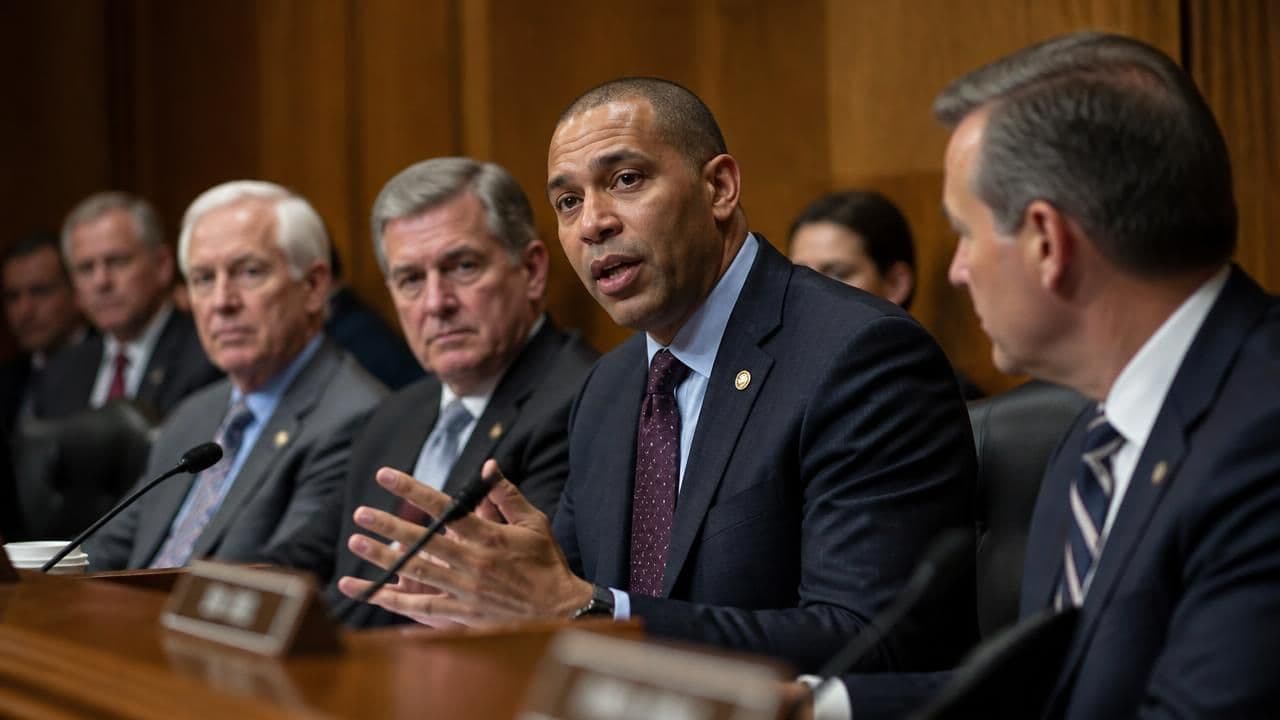
In a vote that revealed deepening divisions within the MPC, six members opted to maintain the current rate, while three dissented in favor of a hike—up from two at the previous meeting. Bloomberg reported that officials sought to balance the risks from the Iran situation against easing domestic inflation. The Financial Times noted that the decision was a "knife-edge" moment, with some economists expecting a cut later in the year.
Alongside the rate hold, the BOE announced a slowdown in its quantitative tightening program, reducing the pace of gilt sales. The move, flagged by Reuters and the Wall Street Journal, aims to avoid adding strain to markets already unsettled by geopolitical uncertainty. The BOE now plans to sell £10 billion less in bonds over the coming quarter than previously scheduled.
Geopolitical Context
The decision comes against a backdrop of heightened global uncertainty following the eruption of conflict between the US and Iran. The Wall Street Journal noted that the Iran war has "scrambled" the calculus for central banks worldwide, forcing policymakers to weigh the inflationary impact of potential oil supply disruptions against the risk of stalling economic growth. The BOE's statement explicitly flagged the situation in the Gulf as a key risk to the inflation outlook.
Bloomberg reported that BOE officials are monitoring the Hormuz Strait situation closely. Any prolonged closure could send energy prices soaring, reigniting inflation just as it shows signs of abating. CNBC and other outlets emphasized that peace prospects remain uncertain, but the BOE is prepared to act if the conflict persists.
Inflation and Domestic Economy
UK inflation has eased more quickly than the BOE anticipated, with the latest data showing consumer price growth falling to 2.5% from a peak of 11.1% in 2022. However, core inflation and services price pressures remain stubbornly high, keeping the MPC on alert. Some members argued that leaving rates too low for too long could allow price pressures to become embedded, while others noted that the economy is already showing signs of strain.
"The decision to hold rates was a close call, reflecting the delicate balancing act facing the central bank," said Lizzy Burden of Bloomberg. "Officials are navigating between the risk of overtightening and the need to contain inflation expectations."
The Guardian reported that the BOE also warned of recession risks, particularly if the Iran conflict escalates and disrupts trade. Households and businesses are already grappling with high borrowing costs, and a prolonged period of elevated rates could tip the economy into contraction.
Market Reactions
The pound initially fell against the euro and the US dollar following the announcement, as markets digested the dovish tilt of the BOE's guidance. Sterling slipped 0.3% to $1.27, while the euro gained 0.2% against the pound. UK gilt yields edged lower, reflecting expectations that rate cuts may come sooner than previously thought if inflation continues to ease.
The FTSE 100 opened higher ahead of the decision, but trimmed gains after the BOE's cautious tone. Money markets are now pricing in a 60% chance of a cut by November, up from 50% before the meeting. Analysts at Investec said the policy statement opened the door for a potential pivot later this year.
Divergent Perspectives
Different outlets framed the story in contrasting ways. The Wall Street Journal emphasized the global implications, headlining that the BOE was "signalling caution on Hormuz." In contrast, Bloomberg focused on the domestic inflation dynamics, reporting that the BOE "played down talk of cuts." The Guardian and BBC highlighted the division within the MPC and the risks of recession, while financial newswires such as Reuters and Investing.com zeroed in on the technical details of the vote and the slowdown in quantitative tightening.
The vote split also drew attention: the three dissenters argued that a hike was necessary to pre-empt any inflationary spillover from the Iran crisis. But the majority felt that the risks to growth were more pressing, especially given the recent easing in wage growth and services inflation.
Outlook
Looking ahead, the BOE reiterated that monetary policy will remain data-dependent and that the path is uncertain. The next meeting in August will be crucial, as more information on the Iran situation and domestic inflation becomes available. If the conflict de-escalates and oil prices retreat, the BOE may have room to cut rates. Conversely, a prolonged conflict could force the Bank’s hand to tighten further.
For now, the BOE has chosen to wait and watch, joining the European Central Bank and the Bank of Japan in holding steady. As the Wall Street Journal put it, "central banks are in a holding pattern, awaiting clearer skies."