The Protect College Sports Act is on the brink of passage in the Senate, capping years of failed attempts by Congress to impose order on a college athletics system that has been reshaped — and in some ways destabilized — by the arrival of name, image and likeness (NIL) money and the transfer portal.
The legislation, which has moved steadily through the chamber even as lawmakers punt other priorities, would establish a federal framework for how college athletes are compensated and how they move between schools. It is expected to reach a final Senate vote this week, according to multiple outlets tracking the chamber's schedule.
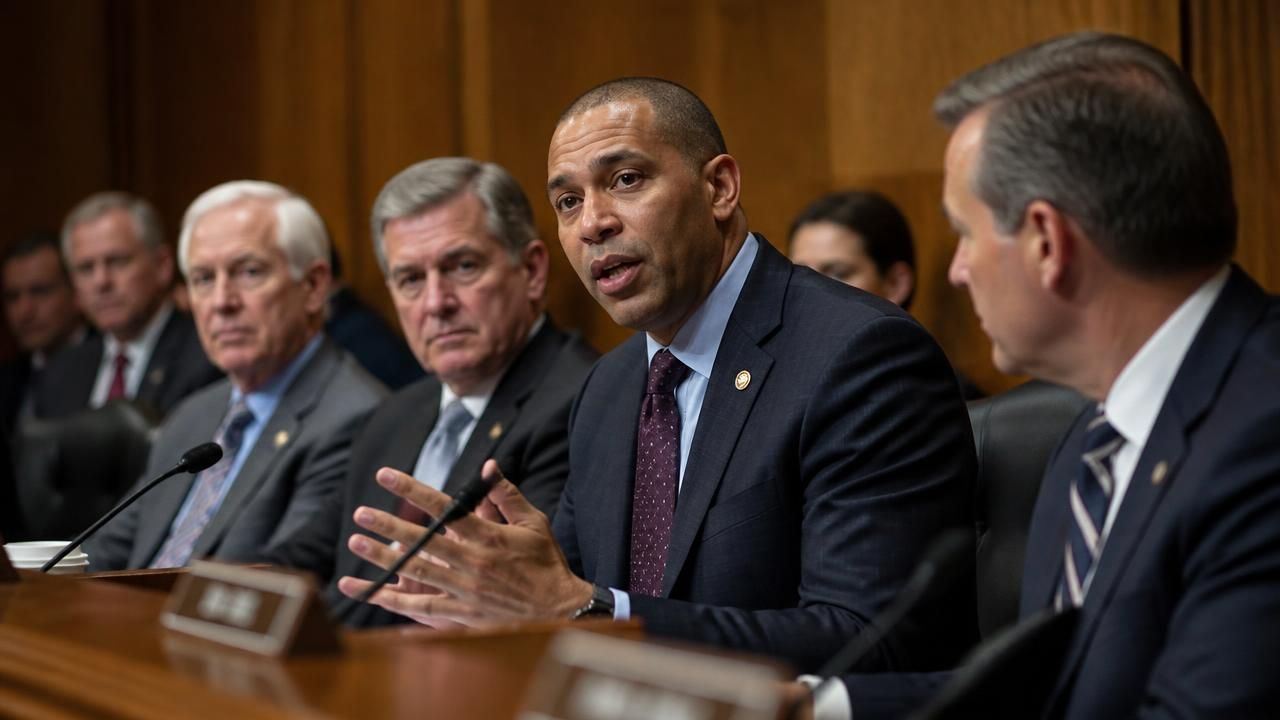
What has distinguished this round of debate is not just the substance of the bill but the identity of the senators arguing over it. A handful of former college athletes on both sides of the aisle now sit on the committees and in the cloakrooms where the details are being finalized — giving them what one NPR report described as "an extra say in the debate."
A Long-Sought Framework
Congress has circled college sports for years without landing a bill. The Supreme Court's 2021 decision in NCAA v. Alston opened the door to broader athlete compensation, and a subsequent patchwork of state NIL laws — some permissive, some restrictive — left universities scrambling to comply with conflicting rules. A multibillion-dollar antitrust settlement involving the NCAA and major conferences added further pressure to codify standards nationally rather than litigate them state by state.
The result has been a rare alignment: athletic directors, university presidents and even the NCAA itself have pleaded with lawmakers to act, arguing that only Congress can create a single national standard that preempts the state-by-state approach.
What the Bill Would Do
While the final text is still being negotiated, the Protect College Sports Act is aimed at three core areas:
- NIL rules: Establishing national standards for how athletes may profit from their name, image and likeness, and clarifying the role of schools, collectives and third-party entities in those deals.
- Transfer rules: Setting consistent windows and eligibility standards for athletes entering the transfer portal, replacing a system that varies widely across conferences and states.
- Enforcement: Creating a clearer enforcement mechanism to replace the NCAA's often-criticized investigative process, with defined penalties and due-process protections for athletes and institutions.
The bill's central promise is uniformity: one set of rules for every school, every conference and every athlete, replacing a landscape in which state legislatures and conference commissioners have effectively set competing policies.
The Athlete-Senators
Coverage of the bill has repeatedly returned to the personal history of the lawmakers pushing it. Several senators played college sports themselves, and others coached or administered athletic programs, giving them a claim to expertise that few of their colleagues can match. That background has shaped both the substance of the legislation and the tone of the debate.
It has also complicated it. Former athletes tend to hold strong, and sometimes conflicting, views about what a fair system looks like — whether athletes should be treated as employees, whether schools should share broadcast revenue directly, and how aggressively Congress should override state laws. Those disagreements cut across party lines, making the bill's path less predictable than a typical partisan fight.
Clashing Visions — and Clashing Framing
Different outlets have emphasized different threads of the same story. NPR and its member stations, including KALW and KASU, have led with the human dimension: the athlete-turned-senator phenomenon and the unusual credibility those lawmakers bring to a technical policy debate.
USA Today has focused on the mechanics — what the bill's NIL and transfer provisions would actually change for schools and athletes. The Hill and the Baltimore Sun, by contrast, have framed the vote as story about congressional process: a chamber that has struggled to finish much of anything is suddenly moving on a narrow, relatively bipartisan sports bill while larger debates stall.
The New York Times has highlighted the friction among the former athletes themselves, casting the debate as a clash of competing visions inside a small, influential club. And explainer outlets, including MSN, have fielded a simpler question from readers: what, exactly, is the Protect College Sports Act, and what would it do?
Why Now
The timing is driven less by a single event than by accumulated pressure. The transfer portal has become a de facto free agency system; collectives have turned NIL into a recruiting arms race; and courts have signaled skepticism toward the NCAA's remaining amateurism rules. Schools in states with permissive laws have gained recruiting advantages that rivals in stricter states have called unsustainable.
For members of Congress, there is also a political calculation: college sports is one of the few topics that generates genuine bipartisan interest and near-universal constituent engagement, particularly among schools with major football and basketball programs.
What Comes Next
Even if the Senate passes the bill, it faces an uncertain path in the House, where a narrower majority and competing proposals could slow or reshape it. Athlete advocacy groups have also warned that some versions of the legislation could limit the earning power and mobility that athletes have gained in recent years — a concern that is likely to surface during any conference negotiation.
Still, the Senate's movement marks the furthest Congress has come in years toward a national college sports standard. And it is being written, in no small part, by lawmakers who once lived under the rules they are now trying to rewrite.