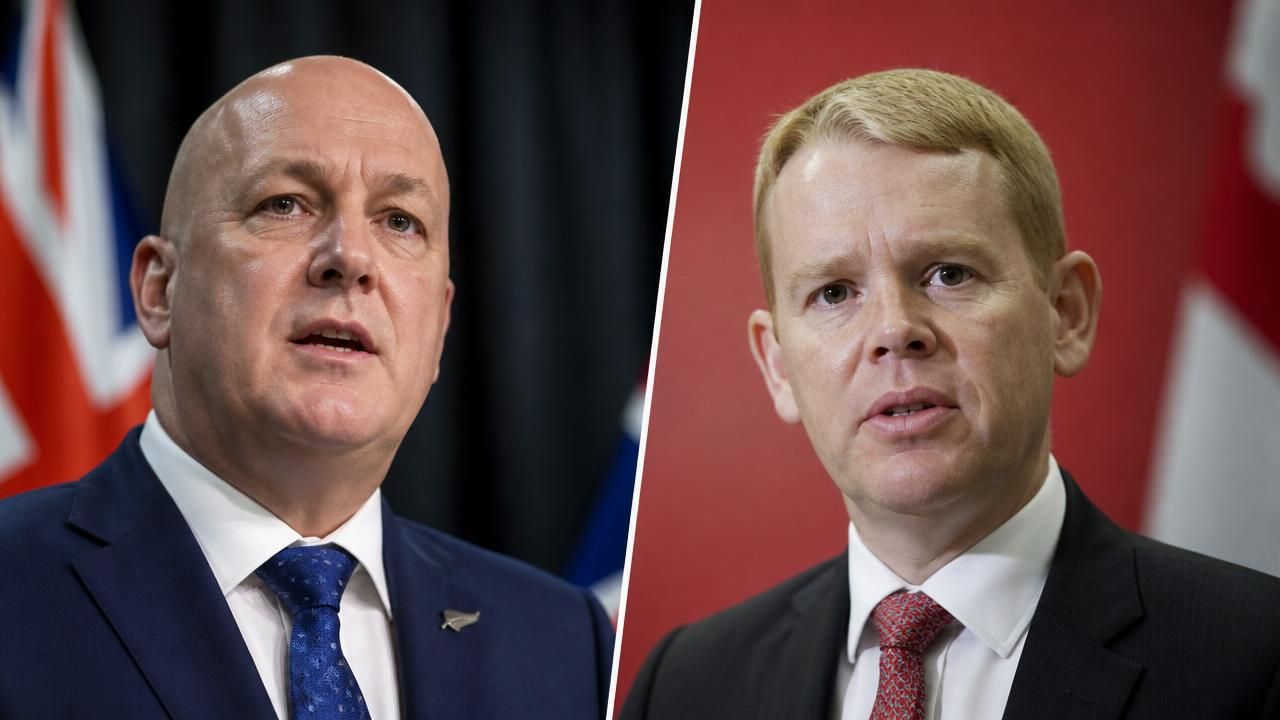
New Zealand’s two main political parties launched their election campaigns on Sunday, with Christopher Luxon’s National Party and Chris Hipkins’ Labour Party both pledging to restore the idea that hard-working New Zealanders should be able to get ahead. The synchronized kickoff underscored a central reality of the contest: after years of pandemic disruption, rising prices, and a cooling economy, the electorate is squeezed—and both major parties are racing to convince voters they have the answer.
The launches were heavy on aspiration but light on new detail. National leader Christopher Luxon has framed the election as a referendum on economic management, promising tax relief, fiscal discipline, and a business-friendly approach to growth. Labour’s Chris Hipkins, meanwhile, has cast the race as a choice between investment in public services and cuts that would hurt the most vulnerable. Both men say they want to restore the promise that “hard-working New Zealanders should be able to get ahead”—a phrase that has become a mantra for a country grappling with a cost-of-living crisis.
“Both are pledging to restore the idea that hard-working New Zealanders should be able to get ahead.” — Bloomberg Markets
A Battle for the Squeezed Middle
New Zealand’s economy has slowed sharply after aggressive interest rate hikes by the Reserve Bank. Inflation, while off its peak, continues to erode household budgets. Mortgage rates have surged, rents are at record highs, and grocery bills remain a flashpoint. For many voters, the election will be decided not on ideology but on which party can credibly promise relief.
National argues that disciplined spending and tax cuts will stimulate the economy and leave more money in workers’ pockets. Labour counters that unfunded tax cuts would force cuts to health, education, and infrastructure—services already under strain. The debate is familiar, but the stakes are heightened by a fiscal outlook that leaves little room for error.
How New Zealand’s Electoral System Works—and Why Coalitions Matter
New Zealand uses a mixed-member proportional (MMP) system, introduced after a 1993 referendum and first used in the 1996 election. Under MMP, voters cast two votes: one for a local electorate MP and one for a party. Parliament has 120 seats, with 72 electorate MPs (including seven Māori electorates) and 48 list MPs. A party must win at least 5% of the party vote or a single electorate seat to enter Parliament.
The system is designed to produce proportional representation, which almost always means coalition governments. That makes minor parties pivotal. In recent cycles, ACT New Zealand, the Green Party, Te Pāti Māori, and New Zealand First have all played kingmaker roles. The next government could hinge on post-election negotiations that stretch for days or weeks.
- National is likely to need support from ACT and possibly New Zealand First.
- Labour would need the Greens and Te Pāti Māori to form a majority.
- Winston Peters, leader of New Zealand First, could once again be the deciding vote.
The coalition math explains why both major parties are courting voters in the centre while also shoring up their flanks. It also means campaign promises must survive negotiations with smaller partners, which can dilute or delay key policies.
The Finance Angle: Cost of Living, Tax, and Campaign Cash
At the heart of the campaign is finance. National has promised to adjust tax brackets, introduce rebates, and fund them through savings and new revenue. Labour has offered targeted support for families, free prescriptions, and public transport subsidies. Economists warn that either approach carries risks: too much stimulus could keep inflation elevated, while too much austerity could deepen a slowdown.
Campaign finance is also under scrutiny. New Zealand has relatively strict donation and spending rules, but the pressure to raise funds is intense. In the United States, a Republican nominee was recently accused of soliciting cash with a “deceiving” promise, prompting critics to ask, “How is this not fraud?” The episode, while distant from New Zealand’s contest, highlights a universal challenge: maintaining voter trust when political money and messaging blur.
What to Watch
The campaign will unfold over the coming weeks with leader debates, policy releases, and regional tours. Polls show a close race, with neither major party yet able to command a clear majority. The cost-of-living squeeze remains the top issue for voters, but health, education, crime, and climate change are also in play.
For Luxon, the challenge is to convert dissatisfaction with the incumbent government into a mandate for change. For Hipkins, the task is to persuade voters that Labour’s approach is the only one that protects the vulnerable while laying the groundwork for sustainable growth. Both leaders know that in an MMP system, victory may not be decided on election night—but in the negotiating room.
As the campaign heats up, the phrase repeated by both parties will be tested: whether hard-working New Zealanders can truly get ahead. The answer may depend less on slogans and more on the balance of power that voters deliver.