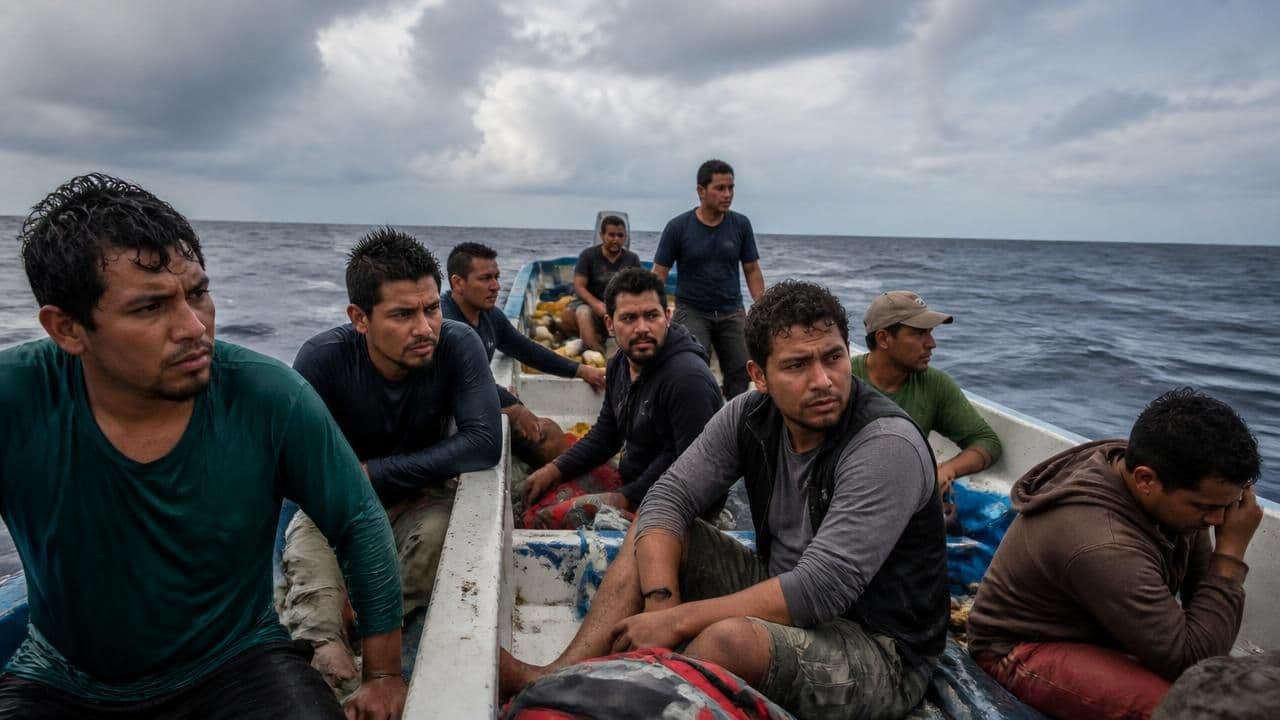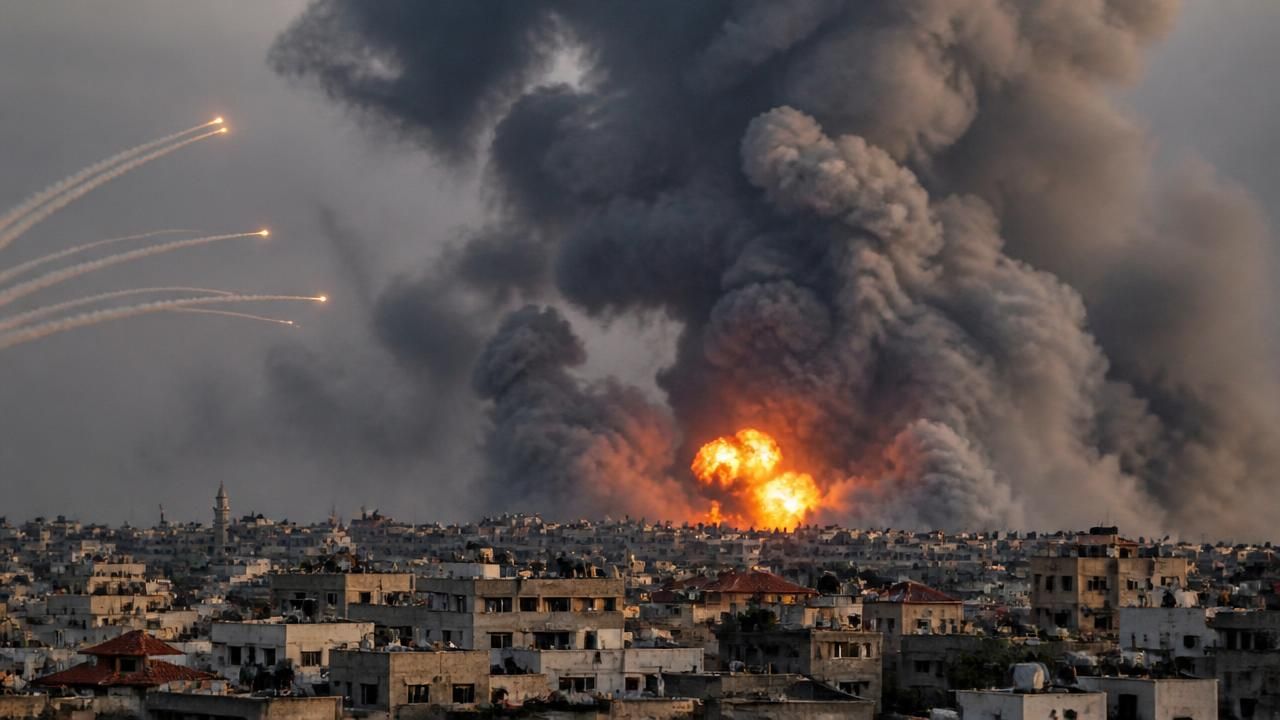
A series of coordinated strikes and retaliatory actions have plunged the Middle East into a broader conflict, with the United States, Iran, Israel, and a growing list of allied nations engaging in direct military exchanges. The escalation, which began with U.S. and Saudi airstrikes on Iran-backed militias in Iraq and Iranian attacks on American military sites in Jordan, has now drawn in European powers, Gulf states, and Lebanon, raising fears of a protracted regional war.
Rapid Escalation and Key Attacks
According to reports from multiple outlets, the conflict escalated sharply after Iran targeted sites used by the U.S. military in Jordan, and a U.S.-owned ship was hit in an Egyptian port. In response, the U.S. and Saudi Arabia carried out airstrikes on Iran-backed militias in Iraq. Meanwhile, Iran launched missiles at Israel, with explosions heard in Jerusalem, as reported by the Times of India. Hezbollah, the Lebanese militant group, has also engaged in cross-border strikes with Israel, dragging Lebanon deeper into the war, as noted by the BBC and Reuters.
Accusations and Denials Over Who Started the War
A central point of contention is whether Israel pushed the U.S. into the conflict. Oman has claimed that Israel pushed the U.S. into war when a deal was possible, a sentiment echoed by some analysts. However, Israeli Prime Minister Benjamin Netanyahu dismissed this as a 'canard,' insisting that Israel did not drag the U.S. into war, as reported by France 24 and DW. The White House has sent conflicting signals on peace prospects, with President Donald Trump declaring the war 'very complete' and vowing to 'finish the job,' while also suggesting progress toward nuclear talks with Iran, according to The Guardian and DW. The New York Times reported that Israel halted strikes on Iran after Trump claimed progress toward nuclear talks.
European and UK Involvement
European nations are being pulled into a conflict they did not seek. Italy announced it would help defend Gulf allies, while the UK faces a dilemma after a drone hit a British base in Cyprus, as reported by the New York Times. Foreign Secretary David Lammy insisted it is 'simply not true' that the UK is being dragged into an Iraq-style conflict, but Prime Minister Keir Starmer has distanced the UK from the war and signaled a desire for closer EU ties in light of the conflict, according to The Guardian and BBC. EU leaders have ruled out sending warships, though some member states are providing logistical support.
Impact on Gulf States and Iraq
Gulf countries, long reliant on U.S. security guarantees, are facing the limits of those assurances as they are sucked into the war, reports The Guardian. Iraqi leaders are walking a tightrope, as the conflict exposes deep rifts between factions loyal to Iran and those aligned with the U.S., according to The Guardian. Lebanon, already battered and isolated, is being dragged into another war by Hezbollah, as the BBC notes. The economic toll is rising, with global oil prices surging and regional trade disrupted.
Global Reactions and Diplomatic Maneuvers
China and Russia have signaled they will not send forces to Iran's rescue, according to ABC News, while Trump has delayed a planned visit to China due to the conflict, per the New York Times. The U.S. Senate Republicans blocked war powers limits, as reported by the New York Times, highlighting deep domestic divisions. Public opinion polls, such as one from Ipsos, show growing anxiety across the region and the world.
Historical Context and Expert Views
The current conflict echoes past U.S.-Iran tensions, including the 2020 assassination of Qasem Soleimani and previous proxy wars in Iraq and Yemen. Experts warn that the involvement of multiple state actors increases the risk of miscalculation and uncontrolled escalation. 'We are seeing a cascade of retaliations that could easily spiral into a full-scale regional war,' said a former CIA analyst in a Guardian interview. The UN report that 80% of the world's refugees live in poor countries underscores the humanitarian stakes, as millions could be displaced by further fighting.
Framing the Story Across Outlets
Different news organizations frame the story in distinct ways. The New York Times emphasizes the diplomatic confusion and mixed messaging from the U.S. and Iran, while The Guardian highlights the economic toll and anxiety on the ground. BBC focuses on the UK's delicate position and the unclear endgame for Trump. France 24 and DW give prominence to Netanyahu's denials, and ABC News explores why China and Russia are staying out. The Times of India provides minute-by-minute updates on missile attacks, while USA Today maps the countries involved.
As the conflict shows no signs of de-escalation, the world watches to see whether diplomacy can prevail or if the region is headed for an even more devastating war. The coming days will be critical in determining whether ceasefire talks—reportedly mediated by Oman and Qatar—gain traction, or if further attacks widen the circle of conflict even more.